

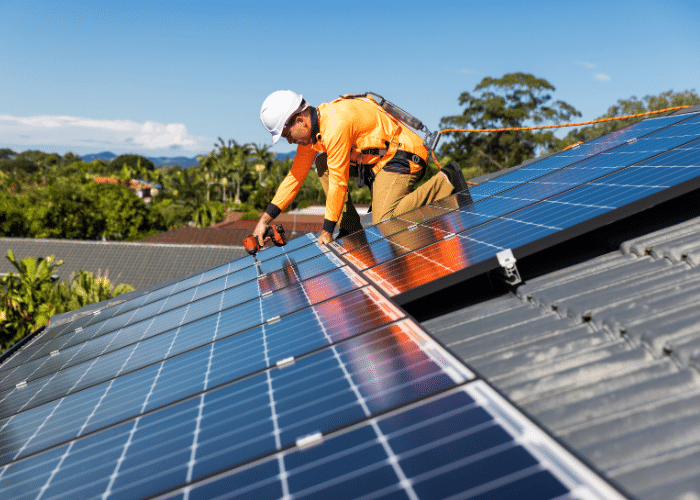
The tiny home movement continues to gain traction across the UK, offering a cost-efficient and eco-conscious alternative to traditional housing. But while living small means a smaller footprint, it also presents a unique opportunity to embrace full energy independence, and solar photovoltaic (PV) systems are at the heart of that transformation.
For those looking to reduce or eliminate reliance on the grid, integrating solar panels into your tiny home is a choice that supports sustainability and long-term savings. Here’s how to do it right.
Why Solar PV Is Ideal for Tiny Homes
Tiny homes are perfectly suited for solar energy for several reasons:
- Lower Energy Demand: With fewer appliances, less square footage, reduced heating and cooling needs, tiny homes require significantly less electricity than standard homes.
- Simplified Systems: The electrical setup in a tiny home is usually more streamlined, making it easier (and often cheaper) to integrate solar components.
- Sustainability Ethos: Many tiny homeowners choose this lifestyle to lessen their environmental impact, and solar PV systems align perfectly with that goal.
- Mobility: For mobile tiny homes, solar offers off-grid capability, essential for those living in rural or remote locations.
Planning Your Solar PV System
It’s important to assess your energy needs carefully before purchasing any equipment. Start by listing all appliances and electronic devices you plan to use, from lighting and kitchen equipment to laptops, heating elements, and water pumps. Calculate their energy usage in kilowatt-hours (kWh) to estimate your daily power requirements.
Factor in peak usage times and seasonal fluctuations, particularly important in the UK, where solar irradiance varies significantly between summer and winter.
On-grid vs Off-grid
One of the biggest decisions is whether your system will be grid-tied or completely off-grid:
- Grid-tied systems are connected to the local power network. They’re generally more cost-effective and allow you to export surplus power. However, without a battery, they won’t provide backup power during outages.
- Off-grid systems operate independently and require battery storage to keep your home running at night or during low-sun periods. These systems offer true autonomy but require more upfront investment and thoughtful energy planning.
Choosing the Right Equipment
Solar Panels
Tiny homes have limited roof space, making panel efficiency crucial. Opt for high-efficiency monocrystalline solar panels, which deliver maximum power output per square metre. Consider lightweight flexible panels for curved or mobile structures, which are easy to mount and maintain, though they may be slightly less efficient.
Pay attention to warranties and performance degradation over time. Higher-quality panels tend to offer better longevity, which is essential when working with a smaller system.
Inverters
The inverter is responsible for converting the DC electricity from your panels into AC electricity used by household appliances. Microinverters can be ideal for tiny homes because they optimise each panel’s output individually. Alternatively, a small string inverter may suffice depending on your panel layout.
Some inverters come with integrated monitoring and battery management features, streamlining your energy system.
Battery Storage
Battery storage is important for off-grid or semi-off-grid systems. Lithium-ion batteries are now the choice for compact living. They’re more energy-dense, lighter, and longer-lasting than traditional lead-acid batteries.
Calculate your required battery storage based on your average daily energy use, how many autonomy days (days without solar input) you need, and your expected depth of discharge (DoD) to ensure consistent, reliable performance.
Installation Considerations
Installing solar PV on a tiny home, mobile or stationary, requires attention to practical details:
- Orientation and Tilt: In the UK, panels should ideally face south at an angle of 30 to 40 degrees to maximise sunlight exposure year-round.
- Roof Structure: Ensure your tiny home roof can support the weight and wind loading of the solar array.
- Shading: Even partial shading from nearby trees or structures can dramatically reduce output. Position panels in the sunniest spot possible.
- Mobility and Portability: For mobile homes, consider portable folding panels or adjustable mounts that allow you to angle them depending on where you park.
Regulatory Considerations
In the UK, most domestic solar panel installations fall under Permitted Development Rights and won’t require planning permission, especially for non-listed properties or when the system is flush with the roof.
However, always double-check with your local planning authority, particularly if your tiny home is in a conservation area or National Park.
Electrical installation must comply with UK wiring regulations (BS 7671) and should be carried out by a qualified electrician. For eligibility under Smart Export Guarantee (SEG) tariffs, ensure your installer is MCS-certified.
Maintenance and Monitoring
One of the great benefits of solar PV systems is their low maintenance. That said, regular upkeep ensures optimal performance:
- Panel Cleaning: Remove debris and bird droppings as needed, using water and a soft brush.
- Visual Inspections: Check mounts and wiring for damage or corrosion, particularly if your home is mobile.
- Performance Monitoring: Use apps or built-in system monitors to track energy generation, battery charge levels, and overall system health.
Routine maintenance is simple and essential for preserving energy output and protecting your investment.
Realistic Costs and Return on Investment
A complete solar PV system for a tiny home can range between £2,500 and £8,000, depending on grid-tied or fully off-grid. Battery storage is the largest cost component.
While the initial outlay might feel steep, energy savings begin immediately. Many tiny homeowners achieve a return on investment within 5 to 8 years, even faster when factoring in avoided utility bills and mobile living benefits.
Moreover, the long-term resilience and cost certainty offered by solar power can be invaluable, especially in rural areas or during energy price volatility.
Selecting a Trusted Installer
Your choice of installer can make or break the success of your solar integration. Look for professionals with experience in small-scale or mobile systems, ideally those with knowledge of tiny home layouts.
If you’re located anywhere in the UK, consider solar panel installation services from Cinergi. You can visit cinergi.co.uk to explore their range of solutions, and their experienced team provides bespoke solar PV systems tailored to small living spaces and energy-conscious clients.
Final Thoughts
Integrating a well-planned solar PV system offers autonomy, financial security, and a deeper connection to sustainable living for tiny homeowners in the UK. With careful planning, efficient equipment, and professional installation, it’s possible to power your tiny home with the sun.
Solar power ensures your home remains powered.