

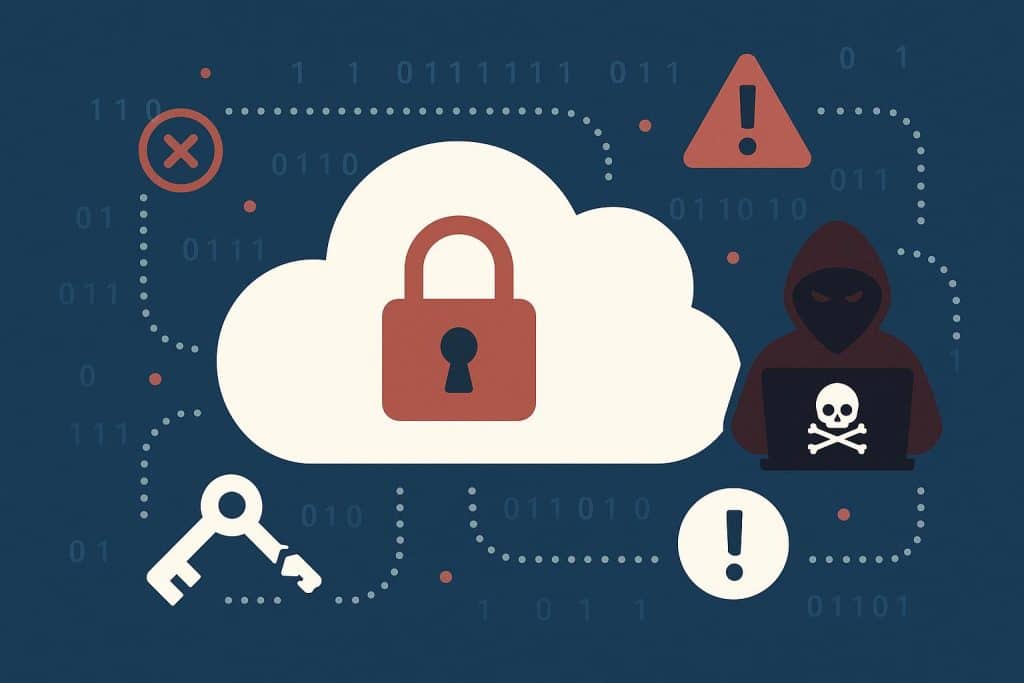
Cloud platforms have become the backbone of modern business. From file storage and collaboration to accounting, CRM systems, and backups, many organisations rely on cloud accounts to keep operations running smoothly. But what happens when that access falls into the wrong hands?
A hacked cloud account isn’t just an inconvenience — it can be a serious business risk with financial, legal, and reputational consequences. Understanding the potential fallout (and how to respond) is essential for any business operating in the cloud, especially those reviewing the best Google Drive alternatives for your business needs as part of a broader security strategy.
How Cloud Accounts Get Hacked in the First Place
Cloud breaches don’t usually happen because of highly sophisticated attacks. In most cases, they’re the result of simple, avoidable issues:
- Weak or reused passwords
- Phishing emails that trick users into sharing login details
- Lack of multi-factor authentication (MFA)
- Compromised personal devices accessing work accounts
- Excessive user permissions that aren’t regularly reviewed
Once attackers gain access, they often move quickly and quietly.
Immediate Consequences of a Hacked Cloud Account
When a cloud account is compromised, the effects can be immediate and far-reaching.
- Data Theft and Exposure: Attackers can download sensitive files, customer records, contracts, financial documents, or intellectual property. In many cases, businesses don’t realise data has been accessed until much later.
- Data Manipulation or Deletion: Files can be altered, corrupted, or permanently deleted. If backups are also stored within the same compromised environment, recovery can be difficult or impossible.
- Account Lockouts: Hackers may change passwords and recovery details, locking legitimate users out of critical systems and halting business operations.
Financial and Legal Implications
A cloud breach often carries direct and indirect costs.
- Financial Losses: These may include:
- Business downtime and lost productivity
- Incident response and forensic investigations
- Ransom demands or extortion attempts
- System restoration and security upgrades
- Regulatory and Compliance Risks: If personal or sensitive data is exposed, businesses may be required to notify customers and regulators. In Australia, breaches involving personal information can trigger obligations under privacy laws, along with potential penalties.
Reputational Damage and Loss of Trust
Trust is hard to build and easy to lose. A cloud security incident can damage relationships with clients, partners, and suppliers — especially if confidential information is involved. Even when no data is misused, the perception of weak security can impact:
- Customer confidence
- Contract renewals
- Brand credibility
- Future business opportunities
For many organisations, reputational harm lasts longer than the technical recovery.
Lateral Movement Across Systems
One of the most dangerous aspects of a cloud account breach is what happens next. If your cloud account integrates with:
- Email platforms
- Accounting software
- CRM systems
- Project management tools
Attackers can use the initial access point to move laterally, expanding the breach across multiple systems and increasing the overall damage.
What To Do Immediately If Your Cloud Account Is Hacked
If you suspect or confirm a breach, speed matters.
- Revoke access immediately – change passwords and force logouts across all devices
- Enable or reset multi-factor authentication
- Review recent activity logs for unauthorised access
- Check connected apps and integrations
- Restore data from clean backups if required
- Notify affected stakeholders where necessary
Delaying action can significantly increase the impact of the breach.
How to Reduce the Risk Going Forward
While no system is 100% hack-proof, strong fundamentals dramatically reduce risk.
- Use strong, unique passwords and password managers
- Enforce multi-factor authentication for all users
- Limit user permissions to only what’s necessary
- Regularly audit access and sharing settings
- Educate staff on phishing and social engineering
- Consider platforms with advanced security, encryption, and access controls
Many businesses also reassess their cloud provider choices after an incident, looking for solutions that offer better governance, visibility, and control over sensitive documents.
Is your cloud account safe?
A hacked cloud account can disrupt operations, expose sensitive data, and undermine trust — often faster than businesses expect. The good news is that most breaches are preventable with the right combination of technology, processes, and user awareness. Treat cloud security as a core business responsibility, not just an IT concern. Proactive protection today is far less costly than reactive damage control tomorrow.