

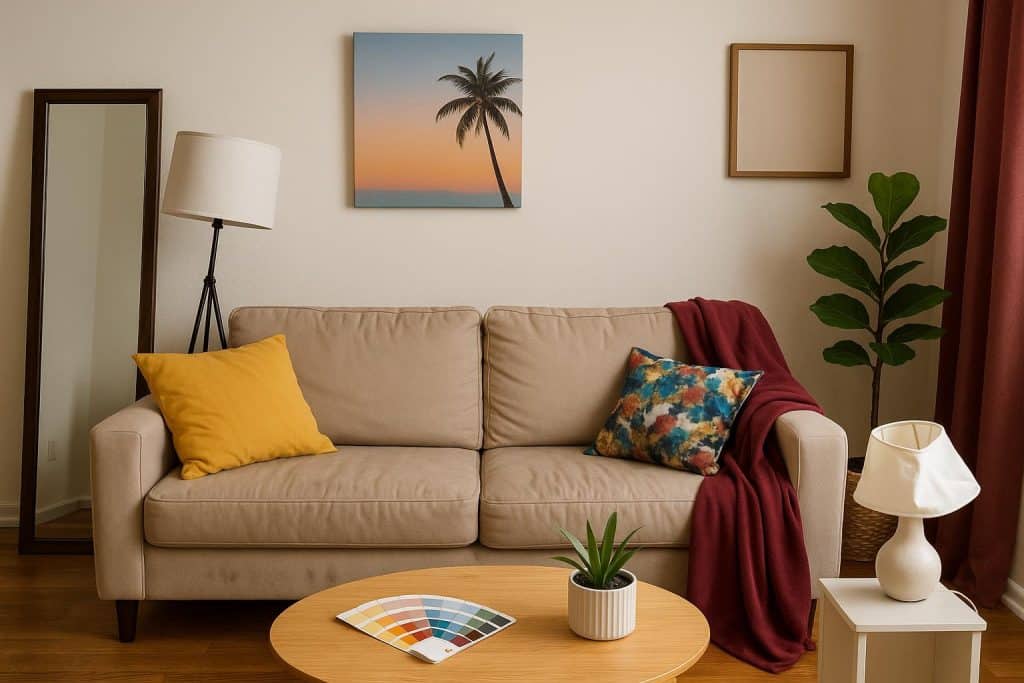
Decorating your home should feel exciting, creative, and personal—but it’s surprisingly easy to fall into design traps that make a space feel cluttered, cold, or unfinished. Whether you’re styling a new home or refreshing a well-lived-in space, understanding the most common home décor mistakes can save you time, money, and frustration. Below, we break down the biggest décor missteps homeowners make—and exactly how to avoid them.
Mistake #1: Decorating Without a Clear Plan
One of the most common mistakes is buying furniture and décor items impulsively, without a clear vision of how everything will work together. This often results in mismatched styles, clashing colours, and a space that feels disjointed.
How to avoid it: Before purchasing anything, define the mood you want for the room—warm and cosy, light and minimal, bold and expressive. Create a loose colour palette and consider how each piece contributes to the overall feel. Planning doesn’t stifle creativity; it gives it direction.
Mistake #2: Treating Décor as “Seasonal Only”
Many people pack away decorative accents like ornaments once the festive season ends, missing an opportunity to add personality year-round. When used thoughtfully, decorative objects can elevate a space well beyond Christmas.
How to avoid it: Focus on timeless shapes, materials, and finishes that work in multiple seasons. Sculptural pieces, natural textures, and neutral tones can easily transition throughout the year. If you’re unsure where to start, learning how to use ornaments in your home décor all year round can help you style these pieces in a way that feels intentional rather than seasonal.
Mistake #3: Overcrowding Every Surface
More décor doesn’t always mean better décor. Overloading shelves, coffee tables, and benches can make a space feel cluttered and visually overwhelming.
How to avoid it: Adopt the “less but better” approach. Choose a few standout pieces and allow them space to breathe. Negative space is just as important as the objects themselves—it gives the eye a place to rest and makes each item feel more special.
Mistake #4: Ignoring Scale and Proportion
Using décor that’s too small (or too large) for a space can throw off the entire balance of a room. Tiny artwork on a large wall or oversized furniture in a small room can feel awkward and out of place.
How to avoid it: Always consider scale. Large rooms benefit from bold statement pieces, while smaller spaces suit slimmer furniture and carefully chosen accents. When grouping items, vary heights and sizes to create visual interest without chaos.
Mistake #5: Playing It Too Safe
While neutral spaces are timeless, playing it too safe can leave your home feeling flat or soulless. A room without contrast or personality can feel more like a display home than a place people actually live.
How to avoid it: Add depth through texture, subtle pattern, or meaningful objects. A handcrafted ornament, a vintage find, or a piece with personal significance can bring warmth and character without overwhelming the space.
Mistake #6: Forgetting About Lighting
Even the most beautifully decorated room can fall flat with poor lighting. Relying solely on overhead lights often creates harsh shadows and an uninviting atmosphere.
How to avoid it: Layer your lighting. Combine ambient lighting (ceiling lights), task lighting (lamps), and accent lighting to create warmth and flexibility. Soft, well-placed lighting can transform the mood of a room instantly.
Mistake #7: Not Letting Your Home Evolve
Trying to finish a home all at once can lead to rushed decisions and décor that doesn’t truly reflect you. Homes should evolve over time, just like the people living in them.
How to avoid it: Allow your décor to grow organically. Live in the space, see how it feels, and add pieces gradually. This approach leads to a more authentic, lived-in home that tells your story rather than following a trend.
Great home décor isn’t about perfection—it’s about balance, intention, and personality
By avoiding these common mistakes and taking a thoughtful approach to styling, you can create a home that feels cohesive, welcoming, and uniquely yours. Small changes, like rethinking how you style ornaments, editing clutter, or improving lighting, can make a surprisingly big difference. Sometimes, it’s not about adding more—it’s about using what you already have, better.