

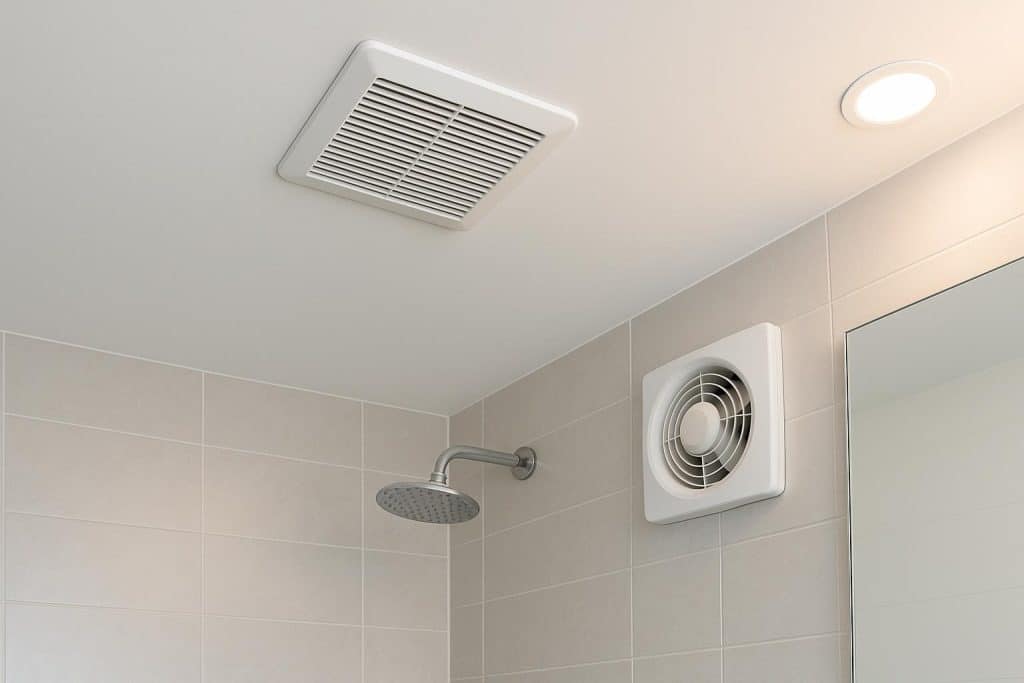
Bathrooms produce more concentrated moisture than any other room in a home. Steam from hot showers rises quickly, settles into ceilings, seeps into plasterboard, and lingers in enclosed spaces long after the light has been switched off. In Sydney homes, especially apartments and older properties with limited cross ventilation, this moisture rarely escapes on its own.
Poor ventilation does not just create foggy mirrors. It contributes to mould growth, damaged paintwork, swollen cabinetry, and long term structural deterioration. Many of these problems begin silently inside ceiling cavities.
Choosing Sydney’s best bathroom fans installation service is not simply about fitting a fan. It is about ensuring correct airflow design, safe electrical connections, and proper external ducting so moisture leaves the building completely rather than being pushed into the roof space.
Why Bathrooms Are High Risk Areas for Moisture Problems
Bathrooms create a perfect environment for condensation. Consider what happens during an average ten minute hot shower:
- Warm air rapidly expands and carries water vapour upward
- Steam collects against cooler ceiling surfaces
- Moisture condenses into droplets
- Water begins penetrating paint, joints, and plaster
In many Sydney properties, especially high density housing, bathrooms do not have windows. Even when a window exists, it is often closed during winter. Without active mechanical extraction, humidity remains trapped.
Repeated exposure leads to:
- Mould forming on ceilings and grout
- Discolouration of paint
- Rusting of metal fixtures
- Damp insulation in roof cavities
The issue compounds over time. What appears cosmetic on the surface can evolve into structural and electrical concerns.
How Proper Fan Installation Directly Improves Indoor Air Quality
Effective bathroom ventilation depends on more than simply mounting a fan in the ceiling. The system must be designed around airflow volume, room size, and discharge location.
Effective Extraction at Source
A properly installed fan should:
- Be sized according to the cubic metre volume of the bathroom
- Extract steam immediately from above the shower zone
- Use correctly sealed ducting
- Vent externally through a roof cowl or wall outlet
When ducting terminates inside the roof cavity, moisture remains inside the building envelope. Correct installation ensures humid air exits the property completely.
Reduction in Mould and Allergens
Lower humidity levels reduce the conditions that allow mould spores to develop. This improves air quality and supports respiratory health. Families with children, elderly occupants, or asthma sufferers particularly benefit from controlled moisture levels.
Odour Control and Comfort
Steam clearing quickly after use also eliminates lingering odours. The bathroom returns to a dry, comfortable state within minutes rather than hours.
The Structural Damage Caused by Poor Ventilation
| Poor Installation Outcome | Proper Installation Outcome |
|---|---|
| Moist air discharged into ceiling cavity | Moist air expelled outside the home |
| Peeling paint and bubbling plaster | Dry, intact ceiling surfaces |
| Timber framing exposed to ongoing damp | Structural timber remains protected |
| Corrosion of metal fixtures and fittings | Longer lifespan of internal components |
| Higher risk of electrical deterioration | Safer environment for wiring and fittings |
Moisture is persistent. When it enters ceiling cavities, it does not disappear quickly. Timber absorbs it. Insulation holds it. Over months and years, damage accumulates and repair costs increase.
Professional installation prevents these hidden risks before they begin.
Common Installation Mistakes Homeowners Overlook
Bathroom fans are often installed during renovations, yet critical details are missed. The result is a system that looks complete but performs poorly.
Below is a practical checklist of mistakes frequently seen in Sydney homes:
- Ducting that releases moist air into the roof space instead of outside
- Fans that are too small for the room size
- Excessively long or sharply bent duct runs that restrict airflow
- Missing backdraft dampers that allow outside air to flow back in
- Poorly sealed ceiling cut outs allowing air leakage
- DIY electrical connections that do not comply with Australian standards
Electrical work in bathrooms requires strict adherence to safety zones and wiring regulations. A licensed electrician must assess load capacity, circuit protection, and correct switching. Improper wiring increases the risk of overheating and long term faults.
Highlight: Bright Force Electrical
When ventilation is treated as a structural and electrical system rather than a simple fixture, outcomes improve significantly.
Bright Force Electrical provides licensed bathroom fan installation across Sydney, focusing on compliance, airflow efficiency, and long term durability.
Their approach includes:
- On site assessment of bathroom size and ceiling structure
- Recommendation of correctly sized extraction units
- External vent routing through roof or wall outlets
- Safe, compliant electrical connections
- Testing airflow performance after installation
Instead of pushing moisture into concealed spaces, their installations are designed to remove it completely from the property. The result is cleaner air, reduced mould risk, and protection of the building fabric.
Signs Your Bathroom Fan Needs Replacement or Upgrade
A bathroom fan rarely fails suddenly. Performance usually declines gradually.
Watch for these warning signs:
- Steam remains on mirrors and ceilings long after showering
- Fan noise increases or becomes irregular
- Visible mould forms despite regular cleaning
- Paint begins peeling near the ceiling
- No visible external vent outlet on the roof or wall
If moisture lingers for more than fifteen minutes after use, the fan may be undersized or incorrectly ducted.
Long Term Cost Savings of Professional Installation
Ventilation is a preventative investment.
Consider the financial impact of ongoing moisture exposure:
- Mould remediation services
- Ceiling replastering and repainting
- Replacement of swollen cabinetry
- Timber repair in roof framing
- Electrical rewiring due to corrosion
Professional installation costs far less than repairing hidden structural damage. A properly designed system protects plasterboard, insulation, timber, and wiring simultaneously.
Homes with controlled humidity also maintain higher resale value, as visible mould or water staining raises concerns during inspections.
Conclusion
Bathroom ventilation affects more than comfort. It influences air quality, building durability, and electrical safety.
Steam that remains trapped inside a property gradually causes deterioration. A correctly sized and professionally installed fan removes moisture at the source and expels it completely from the home.
For Sydney homeowners, investing in proper installation protects both health and property. Ventilation should never be treated as an optional extra. It is a practical safeguard against preventable damage.