

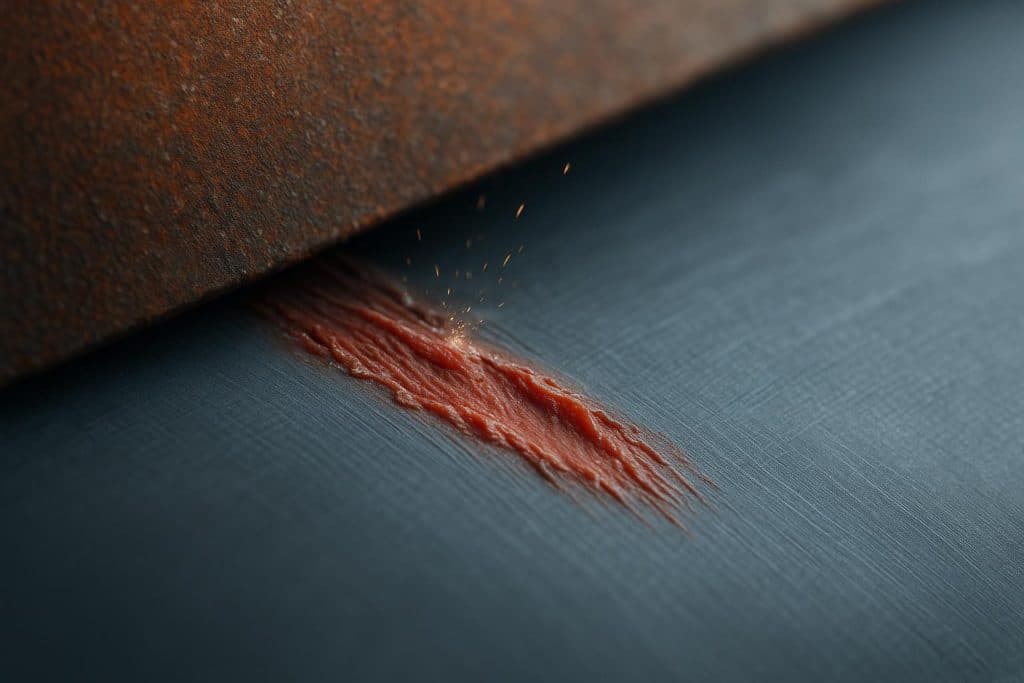
Sliding across pavement at high speed is an experience that changes a person’s perspective on physics instantly. The ground becomes a giant piece of sandpaper that grinds away at everything it touches in a split second.
Most people think of a scrape as a minor inconvenience, but the reality of a kinetic fall is much more intense. The heat generated by the friction actually cooks the tissue, creating a complex wound that behaves like a thermal burn.
Victims often find that these injuries require specialized care to prevent long term complications and disfigurement. Recovering from severe road rash is a grueling process that tests both physical endurance and mental grit during the healing journey.
Degrees of Surface Damage
Medical professionals categorize friction injuries by their depth into three distinct levels of severity. A first degree injury only affects the outermost layer of the skin, appearing as a bright red area that is sensitive to the touch.
Second degree damage reaches deeper into the dermis, often causing blisters and significant fluid loss from the affected site. These wounds are incredibly painful because the nerve endings are exposed to the open air and the elements.
The most dangerous category is the third degree, where the friction removes multiple layers of skin and exposes the underlying fat or muscle. These injuries often result in permanent nerve damage and require a much longer and more intense medical intervention.
Risks of Infection and Debridement
Road surfaces are rarely clean, and a slide often introduces dirt, oil, and gravel directly into the open wound. This contamination makes the risk of infection extremely high for any victim of a high speed fall.
Doctors must perform a process called debridement, which involves scrubbing the wound to remove all the foreign particles. This is often the most painful part of the entire treatment because the tissue is raw and sensitive.
Antibiotics and sterile dressings are essential for keeping bacteria at bay while the body begins to heal. Ignoring these steps can lead to systemic infections that threaten the health of the entire body and prolong the recovery.
Scars and Surgical Solutions
Deep friction wounds often lead to significant scarring that can limit a person’s range of motion if the injury occurs near a joint. The new tissue that forms is much less flexible than the original skin.
Severe cases may require skin grafting to cover the exposed areas and promote a faster healing process. This involves taking healthy tissue from another part of the body and carefully placing it over the damaged site.
These surgical solutions help restore the protective barrier of the body, but they rarely return the skin to its original appearance. Victims must often deal with the emotional impact of visible scars for the rest of their lives.
Barriers of Leather and Kevlar
Wearing the right protective gear is the only effective way to mitigate the damage caused by a high speed slide. Specialized leather suits are designed to absorb the heat and friction of the asphalt during a fall.
Modern materials like Kevlar provide an extra layer of abrasion resistance that keeps the pavement from reaching the skin. These garments are an essential investment for anyone who operates a motorcycle or works in high speed environments.
Even the best gear has a limit, but it significantly reduces the probability of a third degree injury. Investing in quality protection is a small price to pay for the security of your physical health on the road.
Healing from a significant surface trauma is a marathon that requires constant attention to both the physical wound and the psychological state. The pain of the daily treatments can be just as difficult as the initial accident.
Support from medical professionals and family members is vital for keeping a positive outlook during the long months of recovery. Patience is a necessary tool as the body slowly rebuilds its primary defense against the world.
Respecting the power of friction helps every person make safer choices when they are out on the open road. Taking precautions today ensures that a single mistake doesn’t turn into a lifetime of physical and emotional struggle.