

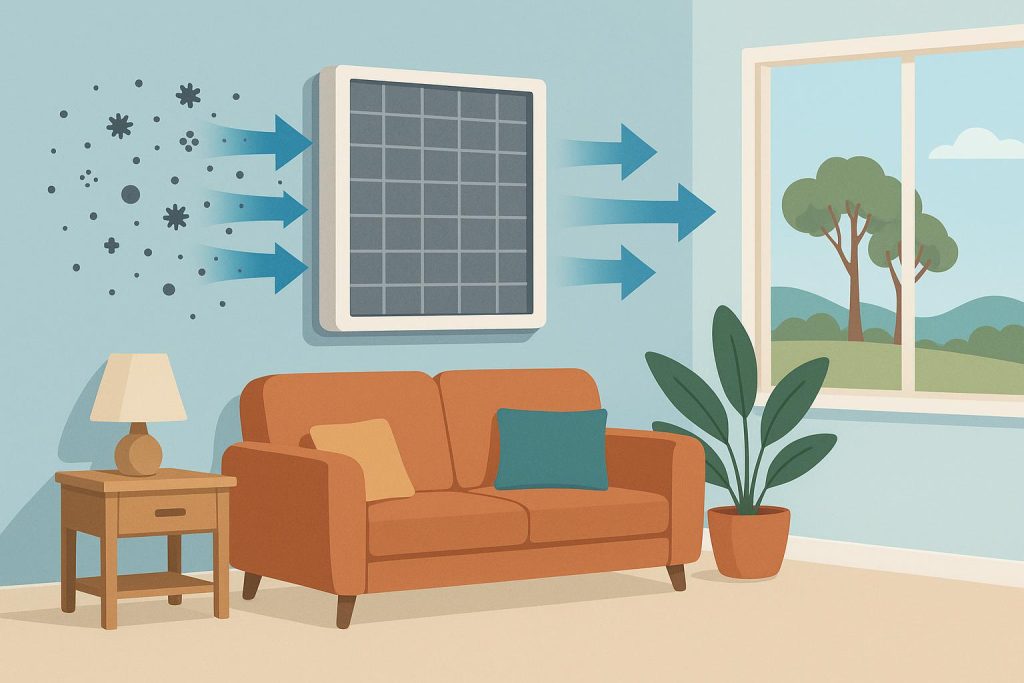
Indoor air quality has become an increasingly important issue for Australian households, especially as more people spend extended periods indoors due to remote work arrangements, extreme weather conditions, and evolving lifestyles. While outdoor pollution often dominates public discussion, the air inside Australian homes can have an equal, if not greater, impact on health, comfort, and overall well-being. Improving indoor air quality is therefore essential for creating safer and healthier living environments.
Understanding how air filtration works is a key step in achieving cleaner indoor air. This article explores the role of air filters, the common airborne pollutants found in Australian homes, and how effective filtration solutions, such as those available through Air Filters Australia, can significantly enhance indoor air quality and long-term respiratory health.
Understanding Indoor Air Quality in Australia
Indoor air quality refers to the condition of the air within buildings, particularly as it affects the health and well-being of occupants. In Australia, indoor air quality can be compromised by a range of factors, including:
- Bushfire smoke and fine particulate matter
- Dust, pollen, and allergens
- Mould spores caused by humidity or water damage
- Pet dander
- Volatile organic compounds (VOCs) from cleaning products, furniture, and building materials
According to Australian health authorities, poor indoor air quality can contribute to respiratory problems, allergies, asthma flare-ups, headaches, fatigue, and other long-term health concerns. For households with children, elderly residents, or individuals with pre-existing respiratory conditions, maintaining clean indoor air is particularly important.
How Air Filters Work
Air filters function by capturing airborne particles as air passes through them. These particles become trapped within the filter material, preventing them from circulating throughout the home. Air filters are commonly used in:
- Split-system and ducted air conditioning units
- Heating, ventilation, and air conditioning (HVAC) systems
- Standalone air purifiers
The effectiveness of an air filter depends on its design, material, and rating. Higher-quality filters are capable of trapping smaller particles, including fine dust, smoke particles, and microscopic allergens.
Types of Air Filters Commonly Used in Australian Homes
Mechanical Filters
Mechanical filters, including fibreglass and pleated filters, are widely used in Australian residential systems. Pleated filters are more effective than basic fibreglass filters, as their increased surface area allows them to capture finer particles while maintaining airflow.
HEPA Filters
High-Efficiency Particulate Air (HEPA) filters are among the most effective air filtration options available. These filters can capture at least 99.97 per cent of particles as small as 0.3 microns. HEPA filters are particularly beneficial in Australian homes affected by bushfire smoke, as they can remove fine particulate matter (PM2.5) from the air.
Activated Carbon Filters
Activated carbon filters are designed to remove odours, gases, and VOCs rather than particulate matter. In Australian households, they are often used to reduce cooking smells, smoke odours, and chemical fumes from household products.
Electrostatic Filters
Electrostatic filters use an electrical charge to attract and trap airborne particles. Some are washable and reusable, making them a cost-effective option for Australian homeowners seeking low-maintenance filtration solutions.
Key Benefits of Air Filters for Indoor Air Quality
Reduction of Allergens and Irritants
Australia’s climate and environment contribute to high levels of pollen, dust, and allergens throughout much of the year. Effective air filtration can significantly reduce these airborne irritants, helping to alleviate symptoms for individuals who suffer from hay fever, asthma, or other respiratory conditions.
Protection During Bushfire Season
Bushfire smoke has become an increasingly serious issue across many parts of Australia. Fine smoke particles can easily enter homes through doors, windows, and ventilation systems. High-quality air filters, particularly HEPA filters, play a critical role in reducing indoor exposure to harmful smoke particles during bushfire events.
Improved Respiratory Health
By removing airborne contaminants, air filters help create a cleaner breathing environment. This can lead to fewer respiratory infections, reduced asthma symptoms, and overall improved lung health, particularly for vulnerable household members.
Enhanced Comfort and Odour Control
Air filters that include activated carbon layers can effectively neutralise unpleasant odours from cooking, pets, or household chemicals. This contributes to a fresher and more comfortable indoor environment without relying on artificial fragrances.
Improved HVAC System Efficiency
Clean air filters also benefit heating and cooling systems. When filters are not clogged with dust and debris, HVAC systems can operate more efficiently, improving airflow and reducing energy consumption. This can help lower electricity costs—an important consideration for Australian households facing rising energy prices.
Choosing the Right Air Filter for Your Home
Selecting the appropriate air filter depends on several factors, including household size, local environmental conditions, and specific health needs. Australian homeowners should consider:
- Filter efficiency ratings (such as MERV or HEPA standards)
- Compatibility with existing air conditioning or heating systems
- Maintenance requirements and replacement frequency
- Specific concerns such as smoke, allergens, or odours
It is also important to replace or clean filters regularly, as clogged or worn filters can reduce effectiveness and negatively impact air quality.
Conclusion
Air filters play a vital role in improving indoor air quality in Australian homes by removing airborne pollutants, allergens, smoke particles, and odours. With increasing awareness of the health impacts of poor indoor air quality—particularly during bushfire seasons—effective air filtration has become an essential component of a healthy home environment.
By choosing the right air filter and maintaining it properly, Australian households can enjoy cleaner air, improved respiratory health, enhanced comfort, and greater peace of mind year-round.