

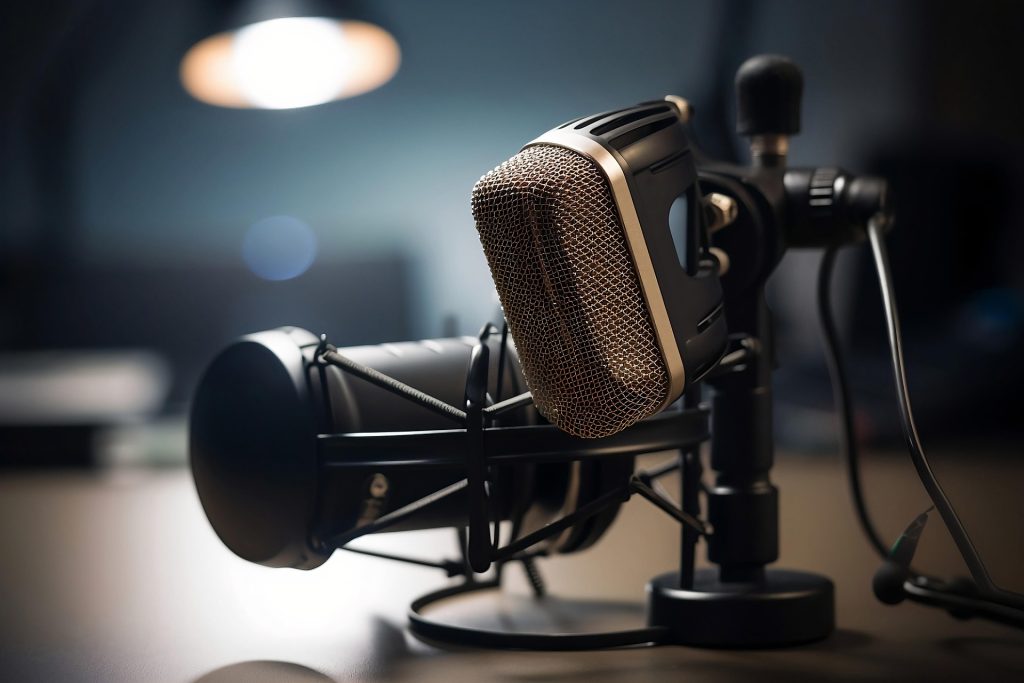
Recording one’s voice or other instruments creates professional audio for projects, but there is so much more to it. After all, poor planning and faulty attention to detail can easily create an undesirable situation and transform a project from something to be excited about to something that will frustrate anyone. Here are some examples of problems that need to be corrected when creating audio projects.
1. Neglecting Proper Planning
Starting an audio project with a lack of concrete focus is inefficient and without some sort of structured plan. Recording sessions are, for lack of a better word, dead; there need to be technology-related drafts around microphone placement and software configurations to possess. Planning produces an outline, which is better than the opposite, as it reduces the chances of making mistakes in production.
2. Using Low-Quality Equipment
Substandard gear will lead to capturing substandard audio, so using cheap microphones will result in shoddy audio. Clear and background-noise-free audio is achieved with good microphones that you can invest in. In addition to that, having good gear will give you better mixing and editing control. Starting small is no excuse for having substandard gear, which means quality gear will make a difference.
3. Ignoring Acoustic Treatment
Recording in untreated environments leads to capturing echoes, a background hum, and uneven sounds. Small improvements like having some soft furnishings will improve the quality of recordings. Recording with a basic knowledge of the room acoustics will help to minimise unwanted reflections. Early improvements with untreated environments will make post-production less time-consuming.
4. Overlooking Proper Gain and Levels
Many recorders record at a substandard level or push the levels too high, which leads to distortion. Proper gain levels should be set to achieve a recording level that has enough headroom whilst being clean to make post audio production editing easy. Monitoring should be done to prevent clipping and have your audio levels consistent, which means early attention to this will help you in mixing.
5. Skipping Editing and Post-Production
Recording is only part of the process; editing and post-production are essential for professional results. Failing to remove unwanted pauses, breaths, or background noises can distract listeners. Applying basic EQ, compression, and volume adjustments enhance clarity and presence. Moreover, a polished final product shows professionalism and keeps your audience engaged from start to finish.
6. Neglecting File Organisation
Disorganised files can create confusion during production and editing, especially for larger projects. Labelling takes time, but maintaining folders and backing up sessions ensures you can locate material quickly. Proper organisation also allows collaborators or clients to review files without frustration. Having this habit streamlines the production workflow and prevents lost work or duplicated efforts.
7. Overcomplicating Sound Design
Adding excessive effects or layers can overwhelm your audience and detract from your main content. It is important to focus on clarity and purpose rather than showcasing technical tricks. Subtle enhancements, like gentle reverb or background music, often work best. Prioritising simplicity and intention ensures your audio communicates effectively and retains a professional quality.
8. Failing to Test Before Final Recording
Skipping test recordings can lead to avoidable technical issues during the main session. Problems such as background noise, incorrect microphone placement, or software glitches often go unnoticed without testing. Running short test recordings allows you to adjust settings, confirm sound quality, and fix issues early. This step saves time in post-production and helps ensure a smooth, professional recording process.
Achieve Professional Sound with Awareness
Creating professional audio content is an accomplishment that balances planning, studio, equipment, environments, levels, and editing. Ignoring common pitfalls, you guarantee audience imaging and clarity. Sustaining organisation and simplicity with complexity allows your content to shine. With these principles, your audio projects can attain a standard of audio listeners’ merit, reflecting your content.