

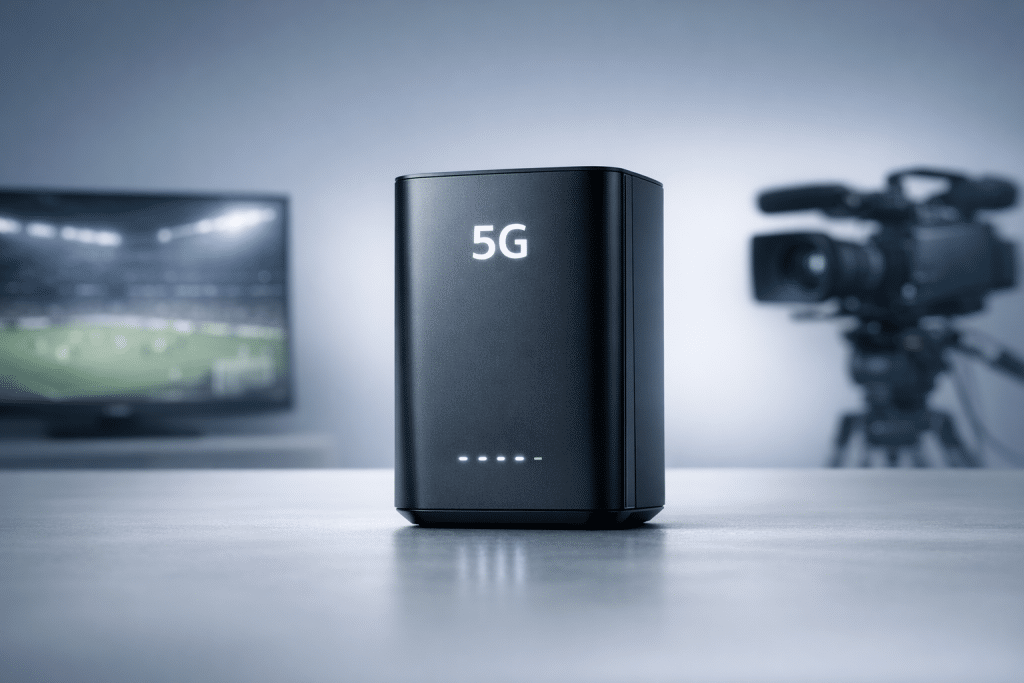
The Impact of 5G Technology on Sports Broadcasting
The emergence of 5G technology represents a major milestone for numerous industries, and sports broadcasting is among the fields experiencing rapid transformation. With dramatically faster speeds and more dependable connectivity, 5G is set to reshape the way live sporting events are delivered and consumed. This article explores how 5G is changing sports broadcasting today and what developments may lie ahead.
5G’s ultra-high data rates and minimal latency are driving innovation across the global media landscape. In sports broadcasting, these capabilities enable networks and production teams to stream content at far higher quality than previously possible. Viewers benefit from sharper visuals, smoother playback, and a more engaging sense of being part of the event. As a result, both fans and industry professionals are entering a new phase of sports entertainment defined by interactivity and immersion. Technological progress has also simplified event access for audiences—for example, purchasing tickets for major races or tournaments can now be done more efficiently through digital platforms.
The Shift from Traditional Broadcasting Models
Historically, live sports coverage depended largely on satellite transmission and cable television infrastructure. While these systems successfully delivered global coverage, they came with drawbacks, including signal delays and limited opportunities for viewer interaction. Even high-definition broadcasts often suffered from buffering or reduced quality during peak viewing periods.
Bandwidth constraints posed ongoing challenges for broadcasters, particularly during large international competitions where millions tuned in simultaneously. These limitations frequently resulted in lagging streams and inconsistent performance. As demand for higher quality and real-time engagement grew, the industry required a more advanced technological foundation. The rollout of 5G networks is now addressing many of these long-standing issues, enabling more reliable and responsive sports coverage worldwide.
Advantages Enhancing Modern Viewing Experiences
One of the most significant contributions of 5G to sports broadcasting is the improvement in streaming performance. Faster data transmission allows providers to deliver ultra-high-definition video with fewer interruptions. This creates a viewing experience that more closely resembles attending the event in person, complete with fluid motion and detailed visuals.
Beyond picture quality, 5G supports instantaneous data sharing that enriches live broadcasts. Real-time statistics, multi-angle replays, and interactive overlays can be delivered seamlessly alongside the main feed. These features provide deeper insight into gameplay and enhance audience understanding and enjoyment.
Fan engagement is also advancing through 5G-powered innovations. Technologies such as virtual reality (VR) and augmented reality (AR) are becoming more practical to integrate into live sports environments. These tools allow viewers to explore immersive perspectives—such as courtside or trackside views—from their own homes. By enabling these interactive experiences, 5G is redefining how audiences connect with live sports and setting new standards for the future of broadcasting.