

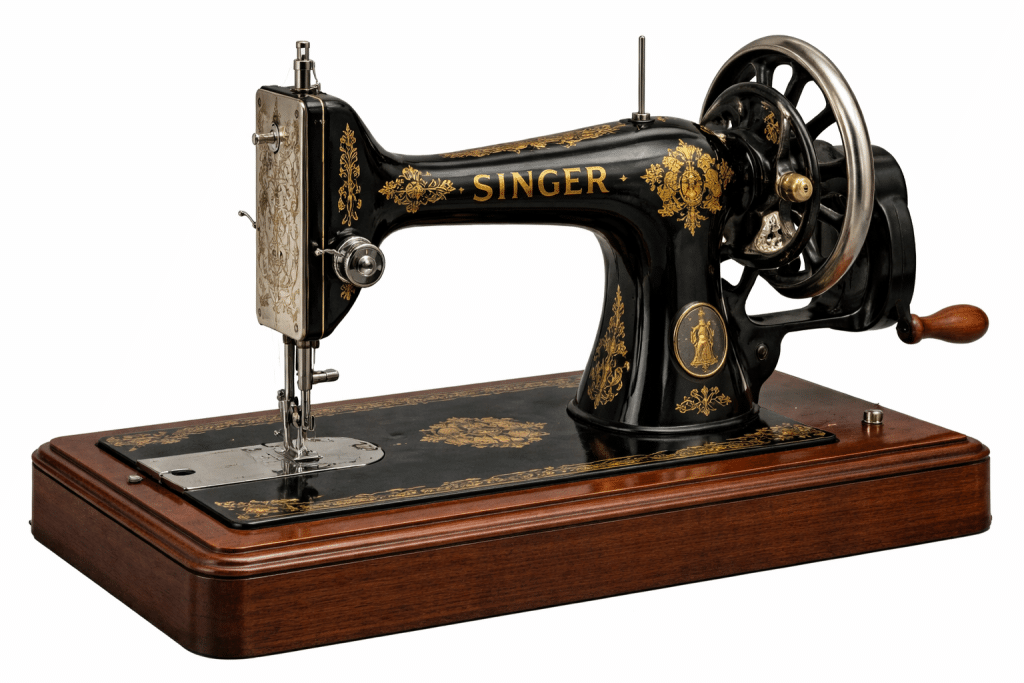
Owning a Singer Model 28 is a little like owning a classic car you actually drive. It’s not just a display piece, and it’s not “vintage” only for looks. Avid sewers and seamstresses keep these machines working because they like the stitch quality, the steady feel of the handwheel, and the satisfaction of using a true mechanical tool.
Real use brings real wear, even on a machine built like a tank. Springs get tired, plates get bent, and tiny screws disappear at the worst time. The good news is you don’t need to turn into a full-time repair tech to keep a Model 28 sewing smoothly. You mainly need to identify the parts that commonly fail, learn which parts are genuinely rare, and buy from a source that clearly lists the parts for your model and setup.
Know Your Machine First: Model 28 Vs 128 And Why It Changes Fit
Before you buy anything, you want to confirm what you’re working with. The Singer 28 and the Singer 128 are closely related, and sellers often group them together. Some parts do interchange, yet it’s not a universal “yes” across every plate, winder component, or small assembly. A small difference in length, hole placement, or angle can turn “almost right” into a frustrating return.
Start with what you can easily verify at home. Check the bed decals and model markings if they’re readable, then focus on the working areas that matter most for compatibility. The shuttle and bobbin system, the slide plates, and the bobbin winder setup are where most mistakes happen. If your machine has been motorized at some point, the drive method can also affect what belt or winder parts you need.
Take a few quick photos before you shop:
- The needle plate and slide plate area from above.
- The shuttle area with the bobbin case removed.
- The bobbin winder from the side, including how it contacts the handwheel.
The Parts Vintage Sewers Replace Most Often
A Model 28 can sew for years with basic care, but certain parts are simply “wear parts.” If you’re putting real hours on your machine, these are the pieces you’ll most likely replace at some point.
First, look at the vibrating shuttle system. This is the heart of the machine, and it’s also where vintage machines often show their age. Long bobbins go missing because they’re easy to misplace and harder to substitute if you’re used to modern bobbins. Bobbin cases and small shuttle-area springs can weaken or get bent, especially if someone forced thread through the wrong path years ago. If the machine suddenly starts looping thread underneath, shredding thread near the shuttle, or making a new clacking sound that wasn’t there before, your shuttle setup deserves a close look.
Next is tension. Vintage tension assemblies are durable, yet they’re not immune to rust, grime, and fatigue. A tired check spring or worn tension discs can create the kind of inconsistent stitches that drive experienced sewists crazy because the problem comes and goes. If the top thread keeps looping under the fabric even after careful adjustments, tension parts are a smart place to troubleshoot.
Finally, there’s the feed and plate area. Needle plates and slide plates can warp, crack, or get swapped with a “close enough” part that never quite matches the machine. Feed dogs can wear down, and the screws that hold them can strip if they’re overtightened. If the fabric hesitates, creeps, or shifts off-grain even with steady guiding, the feed system is often telling you something.
Commonly replaced items include:
- Long bobbins and bobbin case-related parts.
- Tension springs, discs, and small tension assembly components.
- Needle plates, slide plates, and feed dogs with their screws.
The Rarest Parts People Struggle To Find
Some Model 28 parts are “rare” because they break often. Others are rare because they’re easy to lose, easy to misidentify, or hard to find in good condition. Most experienced vintage sewists learn that the hardest parts aren’t always big and expensive. They’re the small, specific pieces that must match your machine exactly.
Slide plates and needle plates are a perfect example. A plate can look right in a listing photo and still be wrong for your bed length or screw pattern. Even a slight mismatch can cause needle strikes, burrs, or drag that leads to thread breaks. Plates are also commonly bent from years of use or from being pried off during cleanups, so “original” doesn’t always mean “usable.”
Bobbin winder components are another trouble spot. There are different styles and positions across similar Singer models, and older machines may have been modified over time. A bobbin winder tire or related parts might look universal, but your specific setup determines what will actually engage correctly. If your winder won’t contact the handwheel properly, you can waste time buying parts that were never going to fit.
Then there are the tiny pieces: odd screws, specialty springs, and small levers. These are the parts most likely to be missing from a machine that has changed hands, and they’re the easiest to buy incorrectly if a listing doesn’t specify compatibility clearly.
Where To Find Rare Model 28 Parts Without Guesswork
If you love vintage machines, you already know the temptation of scrolling marketplaces and grabbing whatever looks close. That approach can work for common accessories, but it’s risky for plates, shuttle-area parts, and winder components. A curated collection built specifically for Model 28 and 128 fitment saves you time, money, and the hassle of repeated shipping costs. A solid starting point is the dedicated Model 28 and 128 parts collection at Vintage Singer Parts.
The value of shopping for a model-specific collection is clarity. You’re not hunting through unrelated models, and you’re not guessing whether the seller meant a different class of machine. You can browse the categories that match how you troubleshoot in real life, such as bobbins and bobbin cases, bobbin winder parts, feed-related items, and other mechanical components that keep your stitch consistent.
If you’re chasing the rarest pieces, shop with a “system-first” mindset. Start at the area where the symptom shows up, then work outward. Stitch formation issues usually point to the shuttle and tension system. Fabric movement problems point to the feed and plate parts. Winding problems point to the winder assembly and the drive setup.
If you’re actively searching for Singer model 28 sewing machine parts, this is also the kind of collection that helps you avoid the most common mistake: buying a part that fits “a Singer” but not your Singer.
Smart Buying Checklist For Vintage Parts Orders
Vintage parts buying gets easier when you shop like a careful mechanic rather than an impulsive collector. You’re not just buying a part. You’re buying fit, function, and less downtime.
Use this quick checklist before you click checkout:
- Match your photos to the listing photos, especially for plates and winder parts
- Confirm your machine’s configuration: treadle, hand crank, or motorized
- Prioritize stitch-critical parts first: shuttle, bobbin case, and tension pieces
- Consider ordering “wear pairs” together, like springs plus related fasteners
- Add a few long bobbins to your order so you’re not stuck later
If you’re unsure, slow down and verify. One careful comparison can prevent weeks of frustration and a drawer full of almost-right parts.
Simple Maintenance That Protects Your New Parts
Parts replacement is only half the story. Good maintenance keeps new parts from wearing prematurely, and it keeps the machine’s behavior consistent so you can actually enjoy sewing on it. A Model 28 doesn’t ask for much, but it does ask for regular attention.
Light oiling on the correct points matters more than a heavy “once a year” oil bath. Old oil can turn sticky, and lint can pack into feed and shuttle areas, quietly throwing off performance. If you install a new bobbin case or tension component and the machine still feels rough, the issue might be friction or grime rather than the part itself.
After you install any part, do a simple test routine. Turn the handwheel slowly through several stitch cycles to confirm nothing binds. Sew on scrap fabric with contrasting thread so you can spot tension problems quickly. Then sew for ten minutes and recheck tension, since fresh parts sometimes settle slightly once everything warms up and moves.
A few habits that pay off:
- Clean lint from the feed area regularly, especially after heavier fabrics.
- Oil lightly and consistently, rather than waiting for squeaks.
- Don’t force the handwheel if something jams; stop and inspect the shuttle area.
- Keep a small kit of long bobbins, needles, and a known-good tension spring.
Final Thoughts And A Practical Next Step
Vintage sewing feels honest and rewarding. The machine responds to your hands, your adjustments, and your care in a way modern plastic machines rarely do. That’s exactly why parts matter so much for serious sewists who keep a Model 28 in working rotation. The goal isn’t to keep it perfect for a shelf. The goal is to keep it stitching clean seams and reliable hems for years.
If your machine is missing pieces, making new noises, or struggling with stitches you can’t tune out, focus on the high-impact systems first: shuttle, tension, and feed. Then shop from a collection that’s organized for your model so you’re not gambling on fit.