

Machines on factory floors, vehicles in logistics fleets, HVAC systems in commercial buildings, and heavy equipment on project sites all work behind the scenes to keep businesses moving. But when even one critical asset fails unexpectedly, the ripple effects can be costly, delays, lost revenue, safety risks, and damaged client trust. This is why many organizations are investing in asset management ERP software in KSA to gain real-time visibility, strengthen preventive maintenance strategies, and reduce the risk of unexpected breakdowns.
For years, companies relied on manual logs, reactive repairs, and disconnected systems to manage their assets. Today, that approach is no longer sustainable. Businesses need visibility, control, and predictive insights to stay competitive.
The Hidden Cost of Reactive Maintenance
Imagine a manufacturing plant where a key machine suddenly stops working. Production halts. Deadlines are missed. Emergency repair costs rise. Teams scramble to fix the issue while leadership calculates the financial impact.
This reactive approach often results in:
- Higher repair expenses
- Unexpected downtime
- Reduced equipment lifespan
- Disrupted workflows
Without a structured system in place, maintenance becomes a constant firefighting exercise. Companies end up spending more on urgent fixes than they would on preventive care.
From Maintenance Logs to Intelligent Monitoring
Digital transformation has introduced a new way of thinking about asset care. Instead of waiting for breakdowns, organizations can now monitor performance in real time and schedule maintenance proactively.
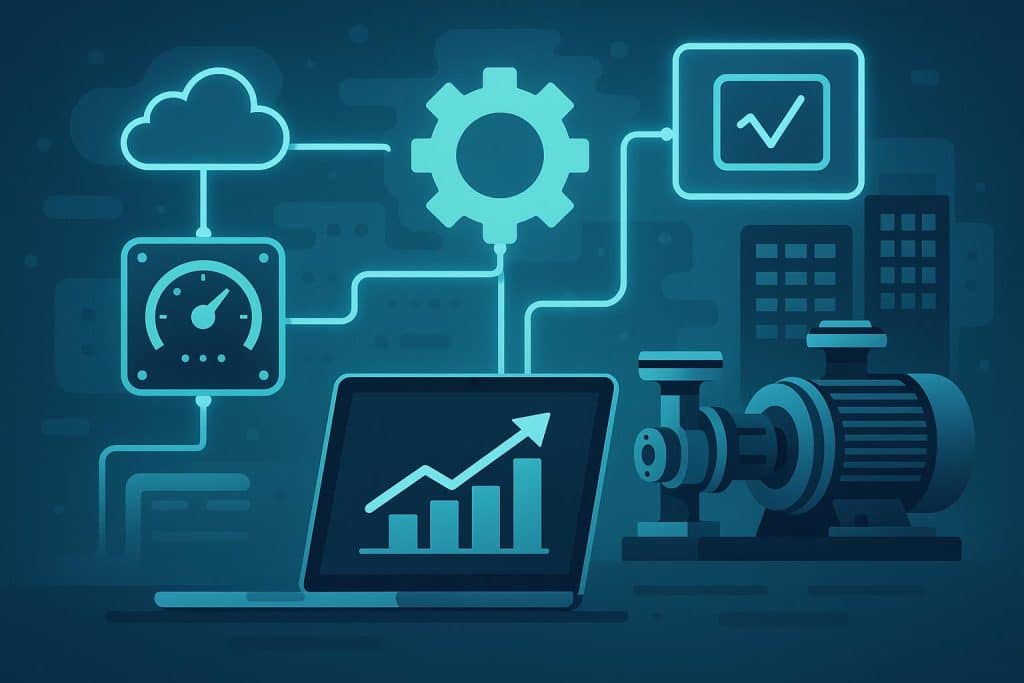
An enterprise asset maintenance and monitoring platform enables companies to track asset health, automate service schedules, and maintain detailed service histories in one centralized system. With dashboards and alerts, teams can identify potential issues before they escalate into costly problems.
Why Centralized Asset Data Matters
In many organizations, asset information is scattered across departments. Finance tracks depreciation, operations manage usage, and maintenance teams record repairs often using separate tools. This fragmentation creates confusion and limits visibility.
A centralized platform brings all asset-related data together, including:
- Purchase and warranty details
- Service and repair history
- Usage patterns
- Performance metrics
- Compliance documentation
With a unified system, decision-makers gain a clear picture of asset performance and lifecycle costs. This allows for smarter budgeting and better long-term planning.
Supporting Large-Scale Operations in KSA
In Saudi Arabia, rapid infrastructure development and industrial expansion have increased the demand for structured asset management. Organizations handling large fleets, industrial facilities, and construction equipment require scalable digital systems to maintain operational efficiency.
This is where asset management ERP software in KSA plays a vital role. These solutions integrate maintenance, finance, procurement, and compliance into a single ecosystem tailored to regional business requirements.
By adopting modern ERP-driven asset management systems, businesses can align with regulatory standards, support Vision 2030 initiatives, and operate with greater transparency and accountability.
Extending Asset Lifespan Through Preventive Strategies
Preventive maintenance is more than scheduling routine inspections, it’s about using data to make informed decisions.
Digital systems allow companies to:
- Schedule maintenance based on usage hours
- Set automated reminders for inspections
- Monitor asset performance trends
- Predict component wear and tear
When assets receive timely servicing, their lifespan increases significantly. This reduces capital expenditure on replacements and improves overall return on investment.
Enhancing Safety and Compliance
In industries like oil and gas, construction, and manufacturing, equipment failures can lead to serious safety risks. Regulatory compliance is equally critical.
A structured asset management system ensures:
- Proper documentation of inspections
- Automated compliance tracking
- Reduced risk of overlooked maintenance tasks
- Improved workplace safety standards
By maintaining accurate records and proactive maintenance schedules, organizations reduce the likelihood of accidents and penalties.
Driving Efficiency Through Automation
Manual processes often lead to errors and inefficiencies. Paper-based work orders can be misplaced, and manual data entry increases the risk of inaccuracies.
An advanced digital solution automates tasks such as:
- Work order generation
- Spare parts inventory tracking
- Maintenance scheduling
- Performance reporting
Automation reduces administrative burden, allowing maintenance teams to focus on technical tasks rather than paperwork.
Real-Time Insights for Smarter Decisions
One of the greatest advantages of digital asset platforms is real-time reporting. Leaders no longer need to wait for monthly summaries to understand asset performance.
Interactive dashboards provide insights into:
- Downtime frequency
- Maintenance costs
- Asset utilization rates
- Upcoming service requirements
With this data, companies can identify underperforming assets, optimize resource allocation, and plan replacements strategically.
Scaling Asset Management as Businesses Grow
As enterprises expand, asset portfolios grow more complex. What works for a small operation may not support multi-site facilities or international branches.
A scalable enterprise asset maintenance and monitoring platform ensures that systems grow alongside the business. Whether managing dozens or thousands of assets, organizations can maintain consistent processes, centralized control, and seamless coordination across locations. This scalability prevents operational bottlenecks and supports sustainable growth.
Creating a Culture of Proactive Management
Technology alone does not drive change, people do. When companies implement structured digital asset systems, they foster a culture of accountability and proactive planning. Teams gain clarity on responsibilities. Managers receive reliable performance data. Leadership can make strategic investments based on measurable outcomes.
Over time, this alignment between technology and people creates stronger collaboration across departments. Maintenance teams work with clear schedules, finance teams gain accurate cost visibility, and executives can plan future expansions with confidence. The result is not just better asset performance, but a more agile and resilient organization prepared for long-term growth. This cultural shift transforms maintenance from a reactive expense into a strategic advantage.
Conclusion
Assets are among the most valuable resources an organization owns. Protecting and optimizing them requires more than routine checks, it demands intelligent systems that provide visibility, automation, and predictive insights. By implementing an enterprise asset maintenance and monitoring platform, organizations can move beyond guesswork and manual tracking toward data-driven asset strategies. Such systems centralize performance data, trigger preventive maintenance alerts, and provide real-time analytics that help teams anticipate issues before they disrupt operations, ultimately improving reliability and long-term cost efficiency.
By adopting modern asset management solutions, businesses can reduce downtime, extend equipment lifespan, improve compliance, and strengthen operational resilience. For organizations seeking a comprehensive and scalable approach to asset monitoring and maintenance, solutions like ePROMIS offer an integrated platform designed to meet the evolving needs of modern enterprises.