

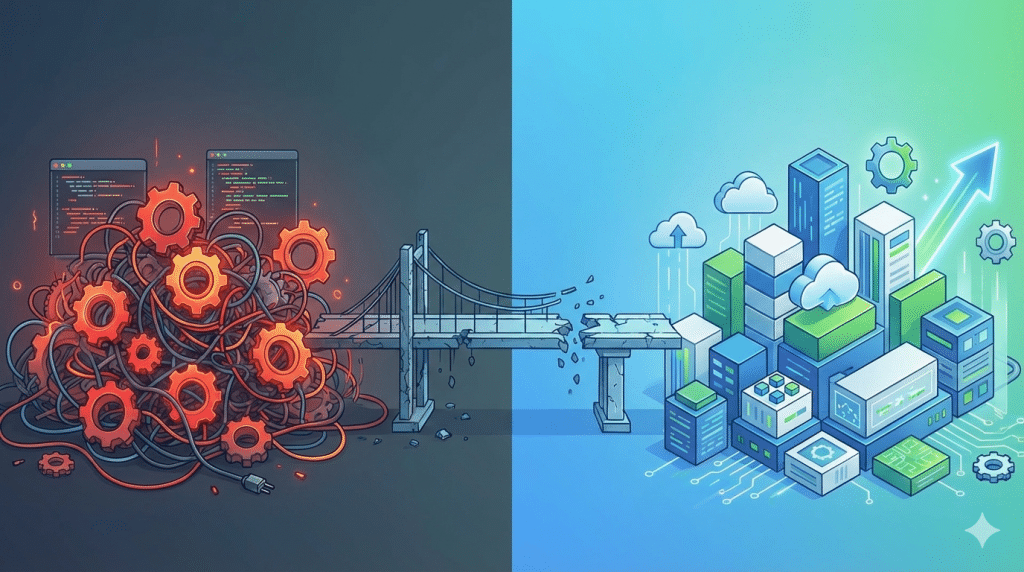
Specialized obligation is one of the most tireless and costly challenges businesses confront as their applications develop. Numerous apps dispatch effectively, perform well in demos, and meet early utilitarian necessities. Partners feel certain, clients onboard easily, and the framework shows up steady. Issues regularly do not appear quickly. They surface months afterward when client activity develops, information volumes increment, integrative growth, and operational workflows become more complex.
At that point, execution begins corrupting, organizations end up unsafe, and indeed little changes require unbalanced exertion. Groups start investing more time keeping up existing usefulness than conveying unused esteem. This is the real cost of technical debt.
These issues once in a while stem from destitute building alone. In most cases, they are the result of short-term app improvement choices made beneath weight. Tight due dates, budget limitations, financial specialist desires, or inside conveyance targets thrust groups to prioritize speed over long-term adaptability. This design influences both new businesses hustling to approve thoughts and undertakings modernizing huge, legacy-heavy frameworks.
When early tradeoffs are not returned to, brief compromises unobtrusively solidify into lasting imperatives. Over time, these imperatives gather into specialized obligations that limits adaptability, increments support costs, and moderates advancement. Diminishing specialized obligation is not around dodging quick execution , it is approximately making early choices that keep future alternatives open.
For enterprise and startups, adopting structured custom mobile app development services makes a difference guarantee applications are built with groTechnical obligation is one of the most tireless and costly challenges businesses confront as their applications develop. Numerous apps dispatch effectively, perform well in demos, and meet early utilitarian necessities.
Partners feel sure, clients onboard easily, and the framework shows up steady. Issues ordinarily do not appear promptly. They surface months afterward when client activity develops, information volumes increment, integrative extent, and operational workflows get to be more complex past dispatch in intellect. Instead of centering exclusively on quick conveyance, early specialized choices account for adaptability, advancing client behavior, execution requests, and long-term practicality essentially diminishing the hazard of expensive modifiers afterward.
Many organizations also accumulate technical debt because their applications do not reflect how the business actually operates. In these situations, relying on custom software development services permits venture and new companies to adjust framework rationale with genuine operational workflows, integrative, and compliance necessities. When the program fits the commerce demonstrated, less workarounds are required and specialized obligation develops more gradually.
What Technical Debt Really Means in Business Applications
Specialized obligation is frequently misconstrued as muddled code or obsolete systems. In reality, it speaks to the long-term taking a toll of choices that decrease flexibility. These choices may include unbiding designs, firmly coupled components, deficient approval layers, or undocumented rationale presented to meet quick due dates.
Technical debt manifests gradua lly. At first, it may show up as somewhat longer improvement cycles or minor execution issues. Over time, it heightens into delicate integrative, visit relapses, rising framework costs, and expanded operational hazard. Groups may become reluctant to touch center parts of the framework since indeed little changes can trigger startling disappointments.
At this stage, the application stops enabling growth and starts restricting it.
Why Short-Term App Development Decisions Create Long-Term Problems
Most specialized obligations are presented amid minutes of criticalness. Groups are beneath weight to dispatch highlights, hit points of reference, or illustrate advance. Inner quality advancements are put off with the presumption they can be tended to afterward.
Common contributors include:
- Speed-first architecture choices that favor immediate delivery but limit future scalability
- Feature-driven improvement where yield things more than basic integrity
- Temporary fixes that discreetly ended up changeless due to moving priorities
- Limited testing beneath real-world stack, concurrency, and disappointment conditions
Each choice may appear sensible in segregation. Together, they make frameworks that stand up to alter and become progressively costly to keep up.
The Hidden Business Costs of Technical Debt
Specialized obligation is regularly surrounded as an engineer issue, but its effect is felt over the organization.
- Slower time-to-market: Unused highlights take longer to deliver
- Higher support costs: Fixes require more exertion and coordination
- Operational precariousness: Little changes cause unforeseen outages
- Team burnout: Engineers spend more time settling issues than building value
- Limited versatility: Development uncovered shortcomings instep of making opportunities
Over time, specialized obligation gets to be a key chance or maybe than a specialized bother.
Architectural Choices That Help Reduce Technical Debt
Design for Change, Not Completion
Applications ought to be built with the presumption that prerequisites will advance. Measured plan, clear boundaries, and free coupling permit groups to adjust or supplant components without affecting the whole framework.
Separate Core Logic from Interfaces
Business rules ought to not live in interior UI components or API controllers. Keeping space rationale autonomous disentangles testing, scaling, and future stage expansion.
Avoid Overengineering—but Don’t Underdesign
Overengineering squanders exertion and moderates conveyance. Underdesign makes bottlenecks that are costly to settle afterward. The right adjustment gives a steady establishment without pointless complexity.
Plan for Integration Early
Indeed if integrative are not quick, APIs, confirmation components, and information models ought to expect future associations. Retrofitting integrative afternoons frequently presents critical obligations.
Development Practices That Prevent Debt Accumulation
Make Refactoring Routine
Refactoring ought to be a portion of ordinary advancement, not a crisis reaction. Little, persistent advancements anticipate large-scale revamps.
Enforce Consistent Standards
Clear coding benchmarks decrease disarray, mak Stronger alignment includes allocating time for performance improvements, treating reliability as a product feature, and recognizing long-term cost reduction as a strategic objective. This alignment is critical as startups scale and enterprises modernize complex environments. e strides onboarding, and make frameworks less demanding to keep up as groups advance.
Automate Testing Early
Automated tests provide confidence to release changes without breaking existing functionality. Without tests, fear replaces velocity.
Document Known Tradeoffs
When shortcuts are unavoidable, documenting them ensures they are revisited intentionally instead of being forgotten.
Aligning Business, Product, and Engineering Goals
Technical debt grows fastest when engineering health is disconnected from business priorities. Roadmaps that focus only on features allow system quality to degrade quietly.
More grounded arrangement incorporates apportioning time for execution enhancements, treating unwavering quality as an item include, and recognizing long-term taking a toll diminishment as a vital objective. This arrangement is basic as new businesses scale and undertakings modernize complex situations.
Managing Technical Debt in Existing Applications
Most organizations already carry some level of technical debt. Reducing it does not require rebuilding everything from scratch.
The to begin with step is distinguishing high-impact obligation zones that regularly break or square alter. Making strides perceptibility through logs, measurements, and observing makes a difference groups reveal covered up issues. Incremental refactoring conveys unfaltering advancements without destabilizing operations, whereas specific modernization regularly produces superior ROI than full modifies.
Breaking the Cycle of Short-Term Thinking
Short-term decisions persist because they often deliver quick wins. The real issue is not speed , it is speed without strategy.
Breaking this cycle requires authority bolster, clear specialized proprietorship, obvious following of known obligation, and a culture that values viability alongside conveyance. When specialized obligation is overseen intentioned, frameworks begin empowering development instead of standing up to it.
Building Applications That Age Well
Each application gathers a few levels of specialized obligation. The distinction lies in how unmistakable, reasonable, and purposefulness the obligation is.
Applications built with flexibility in intellect permit groups to react to modern prerequisites, client input, and advertise changes without steady revamp. Over time, this leads to speedier advancement, lower operational costs, and more grounded framework steadiness.
Final Thought
Technical debt is not just a technical issue , it is a long-term business risk. Organizations that address it early gain a lasting advantage: predictable delivery, reduced risk, and systems that scale confidently instead of slowing growth.