

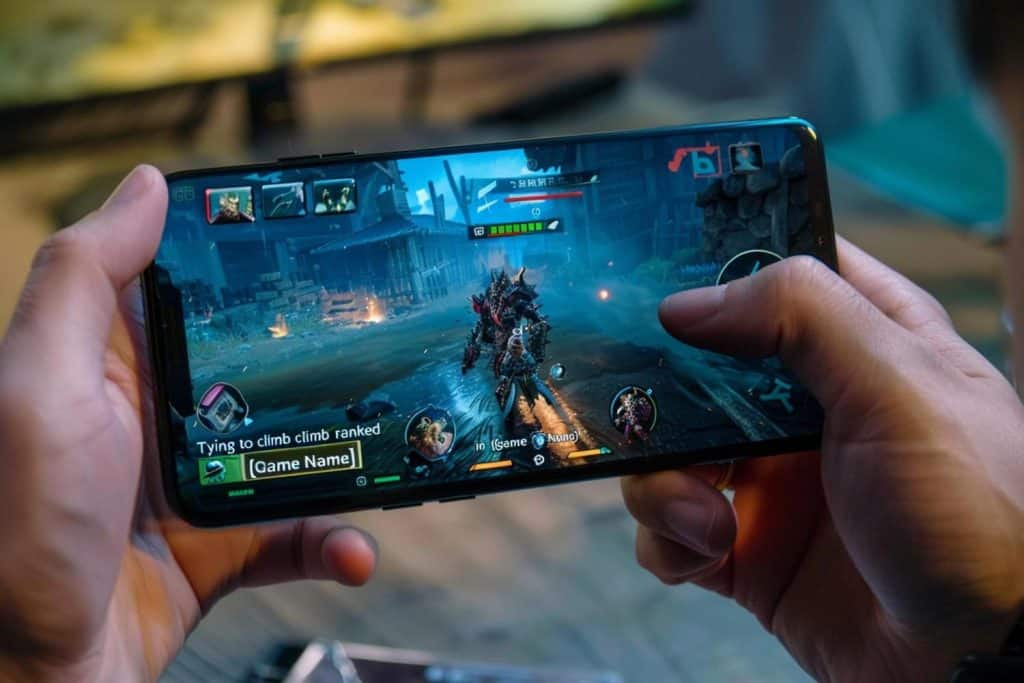
Phones beat consoles and PCs for game revenue last year. Wild, considering where things stood in 2015. The chips got faster, screens got sharper, and people stopped caring about dedicated gaming hardware as much.
Betting fans switch between matches and Onjabet free to catch live odds. RPG sessions stretch across commutes. Shooters fill lunch breaks. One device handles all of it.
1. Block Blast
Puzzle game took the crown. 300 million downloads knocked Roblox down. You fit blocks, clear rows, done. Both app stores ranked it top for casual. Sessions last two minutes but somehow add up to an hour. Simple formula, works well.
2. Honkai: Star Rail
HoYoverse crossed $2 billion on mobile by March 2025 with this one. Around 30 million monthly players rotate through character banners. Some regional markets punch above their weight in spending despite fewer players. The gacha system and turn-based fights keep people logging in whenever banners refresh.
3. Genshin Impact
Been around since 2020. Still pulls 16 million monthly. Revenue fell off from peak but updates roll out on schedule anyway. Start on your phone at lunch, continue on PC when you get home. Cross-save works. Newer games wish they had half this retention.
4. Free Fire
Garena’s battle royale edged out Block Blast on Google Play. Runs smooth on cheap phones. Short match times. Regular esports tournaments draw competitive crowds. Budget devices couldn’t handle PUBG well at launch, and Free Fire filled that gap. Still does.
5. PUBG Mobile
Tencent built the template everyone copied. Download numbers sit somewhere north of 500 million at this point. Maps and seasonal stuff drop on a regular schedule. Esports betting on PUBG tournaments should hit $14.17 billion market value before December. Pro leagues run year-round.
6. CoD Mobile
Activision stuffed console-grade shooting into an app. Multiplayer and battle royale both work. Controller support is solid. Updates roll out with main franchise releases. Console players recognize the maps and guns.
7. Roblox
Not really a game. More like a platform where millions of people build their own stuff. 250 million downloads. Engagement jumps around depending on what users pick inside. Some build, some play. Development costs get pushed onto the community this way.
8. Honor of Kings
Tencent’s MOBA prints money. Top earner in the category. Players log over 8 sessions daily on average. Esports viewership is no joke. A match takes maybe 15 minutes. Long enough to think, short enough for a break.
9. Royal Match
45.8 million monthly players. Dream Games nailed the progression loop. Users open the app nearly 5 times per day. Puzzle mechanics stay simple. Rewards come often enough to build habits. No complex tutorials needed.
10. Brawl Stars
Supercell holds 18.7 million monthly users through constant updates. Fast matches under 3 minutes. Ranked competition for hardcore players. New characters release regularly. The studio’s history of supporting games long-term keeps players investing time.
Quick Stats by Genre
- Puzzle games pull highest daily session counts
- Gacha RPGs keep players 25-30 minutes per session
- Battle royale owns emerging markets on lower device requirements
- MOBAs squeeze more revenue per user than other genres
Gaming and Betting Share the Screen
$130 billion in gambling revenue last year. This year’s looking like $143 billion if the forecasts pan out. More than 60% of that flows through phones and tablets now.
Esports tournaments bring in bettors now. PUBG Mobile and Free Fire leagues have scheduled seasons with steady viewership. Live dealer casino stuff borrowed progression loops from video games. Sportsbook apps compete for attention against shooters. User overlap keeps expanding.
Betting apps learned from games. Rewards come quick. Social features connect people. Competition drives return visits. Operators spend on AI tools and faster payouts. What made mobile games sticky works for betting too.
Esports betting alone grows around 12% yearly through 2030. Tournament organizers and bookmakers partner on data and broadcast deals. Mobile viewers of competitive gaming fuel most of that growth.