

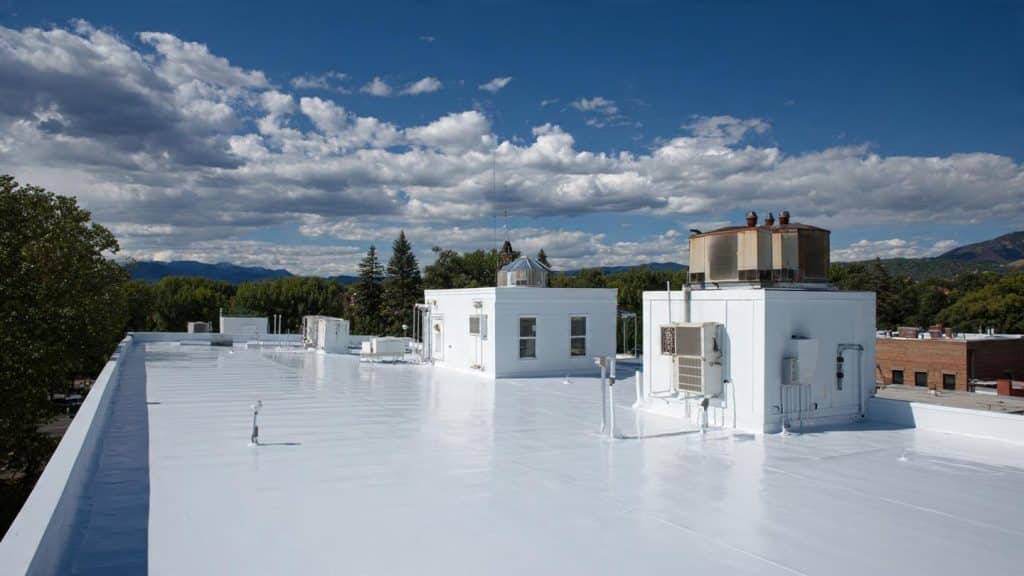
Commercial roofs protect not just the building but the assets and operations inside. Yet many property managers only address issues once leaks or visible damage appear, leading to costly emergency repairs and operational disruptions.
A commercial roofing maintenance plan changes this approach. By providing scheduled inspections, minor repairs, and preventive measures, these plans extend roof lifespan, preserve warranties, and even improve energy efficiency.
In this article, we’ll explore what a commercial roofing maintenance plan includes, the financial and operational benefits, and why proactive maintenance is a smart strategy for property managers committed to protecting their investment.
What Is a Commercial Roofing Maintenance Plan?
A commercial roofing maintenance plan is a structured program that keeps commercial roofs in top condition while preventing costly issues. Unlike a one-time inspection or reactive repair, a maintenance plan provides ongoing care to extend the life of the roof and protect the property’s value.
Typical maintenance plans include:
- Regular inspections: Scheduled quarterly or bi-annual checks to catch minor issues like loose flashing, membrane damage, or blocked drainage.
- Drainage and gutter checks: Ensuring water flows properly off the roof to prevent pooling and leaks.
- Minor repairs and preventive measures: Small fixes such as sealing cracks or patching leaks before they escalate.
- Documentation and reporting: Detailed logs of inspections and repairs, helping maintain warranties and track roof health over time.
By investing in a maintenance plan, property managers move from reactive repairs to proactive roof care, minimizing emergency costs and ensuring long-term durability.
The Financial Benefits of Commercial Roof Maintenance
A commercial roofing maintenance plan is a smart investment that saves property managers money over time. Proactive care reduces unexpected repair costs, extends roof lifespan, and helps preserve warranties.
1. Preventing Costly Repairs
Minor issues, such as small membrane punctures or loose flashing, can quickly turn into major leaks and structural damage. Regular inspections and preventive fixes catch these problems early, avoiding expensive emergency commercial roof repairs.
2. Extending Roof Lifespan
Routine maintenance slows the natural wear of flat, metal, or TPO roofs. By addressing minor issues promptly, property managers can delay a full commercial roof replacement, maximizing the return on their investment.
3. Protecting Warranties
Many manufacturers require evidence of ongoing maintenance to honor warranties. A documented maintenance plan ensures that inspections and minor repairs are performed on schedule, safeguarding coverage and reducing out-of-pocket expenses.
In short, proactive commercial roofing maintenance transforms roof care from a reactive cost into a long-term financial strategy.
Risk Reduction and Liability Protection
A commercial roofing maintenance plan does more than save money — it protects property managers from potential risks and liability.
Minimizing Safety Hazards
Leaks and pooled water can create slip hazards for employees or tenants. Regular inspections and minor repairs reduce the likelihood of accidents that could lead to injury claims.
Preventing Property Damage
Water intrusion can damage ceilings, walls, electrical systems, and equipment. Proactive maintenance addresses small leaks before they escalate, preserving both the building and its contents.
Supporting Insurance Claims
Insurance providers often require proof of proactive maintenance when processing roof-related claims. Detailed logs of inspections and repairs strengthen claims and show that the property was properly maintained.
Reducing Emergencies
Unexpected roof failures can halt operations and require urgent, expensive repairs. Scheduled maintenance identifies vulnerabilities early, reducing the risk of emergency commercial roofing situations and minimizing operational disruption.
In short, a structured maintenance plan protects both the building and its occupants while ensuring smooth, uninterrupted operations.
Energy Efficiency and Operational Savings
A well-maintained commercial roof can improve energy efficiency and reduce operational costs. Proper upkeep ensures that insulation, membranes, and reflective coatings perform as designed, keeping buildings comfortable while lowering energy bills.
Preserving Insulation
Damage to roofing membranes or pooled water can compromise insulation, making HVAC systems work harder. Regular maintenance keeps insulation intact, reducing energy use and extending equipment life.
Maintaining Reflective and Coated Roofs
Cool roofs and reflective coatings help reduce heat absorption. Over time, dirt or minor surface damage can reduce effectiveness. Maintaining these systems aligns with energy-efficiency strategies recommended by the U.S. Department of Energy’s commercial building initiatives, helping lower long-term operational costs.
Reducing HVAC Strain
A properly maintained roof ensures efficient temperature regulation, easing the load on heating and cooling systems and lowering utility expenses.
Proactive commercial roofing maintenance not only protects the roof but also contributes to energy savings and overall operational efficiency.
What Property Managers Should Look for in a Commercial Roofing Contractor
Choosing the right commercial roofing contractor is key to a successful maintenance plan. Property managers need a reliable partner who can provide inspections, repairs, and documentation to protect the building and extend the roof’s lifespan.
Experience with Commercial Roofing Systems
Select a contractor experienced with your roof type, whether TPO, EPDM, metal, or modified bitumen. A knowledgeable contractor understands system-specific issues and ensures effective, long-lasting maintenance.
Clear Reporting and Documentation
Good contractors provide detailed reports, including photos, recommendations, and maintenance logs. These records help track roof health, maintain warranties, and support insurance claims.
Emergency Response Availability
Even with regular maintenance, unexpected issues can arise. A contractor with responsive emergency services minimizes disruption and damage.
Transparent, Scalable Maintenance Plans
Look for clear inspection schedules and scalable plans for multiple properties. This simplifies management while maintaining consistent quality.
For property managers seeking a trusted partner, companies like swcommercialroofing.com offer comprehensive commercial roofing maintenance plans tailored to different systems and property types, helping protect investments and reduce long-term costs.
Signs Your Property Needs a Commercial Roofing Maintenance Plan Immediately
Even if your roof looks fine, certain warning signs indicate it’s time to implement a structured commercial roofing maintenance plan. Addressing these issues early can prevent costly repairs and extend roof life.
A. Aging Roof
Roofs older than 10 years are more prone to wear and damage. Regular maintenance helps delay full commercial roof replacement and protects your investment.
B. Frequent Minor Repairs
Repeated patching or small fixes suggest underlying issues. A maintenance plan addresses root problems rather than just symptoms.
C. Visible Membrane or Structural Issues
Cracks, punctures, loose flashing, or bubbling indicate vulnerability. Timely inspections prevent minor defects from escalating.
D. Water Stains or Interior Damage
Ceiling stains, mold, or warped walls signal leaks. Proactive maintenance can stop further damage.
E. Recent Severe Weather Exposure
Roofs exposed to storms, hail, or high winds require thorough inspections. A maintenance plan ensures damage is identified and repaired promptly.
Recognizing these signs allows property managers to act proactively, safeguarding both the building and its occupants while avoiding emergency repair costs.
Conclusion: Proactive Commercial Roofing Is a Strategic Asset
A commercial roof is more than just protection — it’s a critical investment in a building’s safety, efficiency, and long-term value. Waiting for leaks or visible damage can lead to costly repairs, operational disruption, and liability issues.
A commercial roofing maintenance plan ensures inspections, minor repairs, and preventive measures are handled consistently. This proactive approach extends roof lifespan, preserves warranties, improves energy efficiency, and reduces emergency repairs.
By prioritizing routine maintenance and partnering with a reliable commercial roofing contractor, property managers can protect their investment, maintain smooth operations, and enjoy peace of mind. A structured maintenance plan turns roof care from a reactive necessity into a strategic, cost-effective asset management tool.