

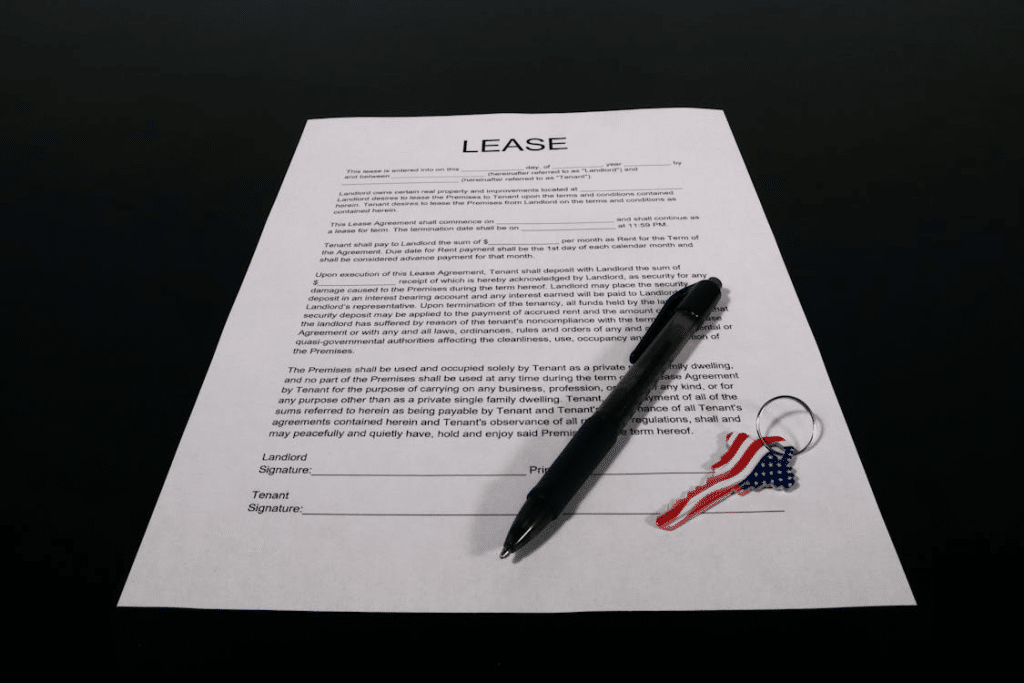
A look at lease end department reviews makes it clear that a lot of drivers reach the last stretch of a vehicle lease unsure about what they actually owe and whether buying the car or turning it in makes the most financial sense.
That uncertainty has created space for a new category of businesses that promise to guide people through the lease-end process, and yes, some lease-end service companies are legitimate. But that doesn’t mean they’re always necessary, and it definitely does not mean every company in the space offers equal value.
Why these companies are appearing now
This niche did not appear out of nowhere. Leasing has become more attractive again for many consumers because it can lower the monthly payment compared with financing.
At the same time, regulators continue to remind consumers that the end of a lease is not just a handoff of keys. You may still owe end-of-lease fees, excess mileage charges, wear-and-tear costs, or a disposition fee, and you may also have the option to purchase the vehicle if your contract includes one. The lease agreement determines those rights and obligations.
What a legitimate lease-end company actually does
A legitimate lease-end service company usually helps you understand the choices you already have under your contract. That may include:
- Reviewing your buyout number
- Comparing the residual value to current market conditions
- Helping you prepare for a pre-return inspection
- Explaining common fees
- Coordinating paperwork
In some cases, the service is mostly educational, and in others, it is more hands-on.
A real lease-end service company should be clear about what it can and cannot do, and how it gets paid. If a company is vague on any of those points, that is a credibility problem.
The better operators also do not pretend to be your bank or the official lease maturity department for your contract unless they actually are. They explain whether they are an independent advisor, a brokerage-style service, or a referral partner.
Where consumers can get into trouble
The main risk is confusion. Many drivers are already stressed when a lease is ending, especially if the vehicle has extra miles or cosmetic damage, making them more vulnerable to pressure.
That does not automatically make lease-end service companies the source of the problem, but it does mean that consumers are operating in a market where unclear fees and poor communication are common enough that outside help can sound more valuable than it really is.
A company can be legally operating and still overpromise, or it can have a clean website and still deliver very little beyond advice you could have gathered yourself from your contract and a pre-return inspection report.
How to tell the difference
The first question to ask is what exactly you’re paying for. If the answer is fuzzy, keep moving. A trustworthy company should tell you, in writing, whether its fee covers:
- Contract review
- Inspection guidance
- Payoff analysis
- Negotiation help
- Transfer assistance
- Refinancing coordination
Next, ask how compensation works. Flat fees are easier to evaluate than free services that depend on selling your information or steering you into another product. If the company earns money only when you refinance, buy, or trade through a partner, you should know that before you rely on its recommendation.
It is also smart to compare the company’s advice against your own lease documents. End-of-lease charges and purchase options are governed by the contract and required disclosures, not by whatever a salesperson says over the phone.
If the company will not walk you through the language in your actual agreement, it is not doing the most important part of the job.
Finally, pay attention to tone. Serious companies usually sound specific when explaining timelines, documents, and realistic outcomes. Questionable ones lean on urgency or “special department” language that makes ordinary lease-end decisions sound like secret opportunities.
What to do before you return the car
Before you hire anyone, slow down and gather your own facts. Review your:
- Lease agreement
- Payoff or purchase-option amount
- Scheduled maturity date
- Inspection notices.
If you are about to return your leased vehicle, get clear on the mileage and condition first. Auto leases are commonly written for 10,000-15,000 miles per year, which is one reason excess-mileage charges are such a common pain point at the end.

Then think about whether to turn the car in, buy it, or trade/sell it if your contract and market conditions make that possible. A lease-end company may help you think through those options, but it should not be the first place you look for basic facts.
Start with your own paperwork, then confirm details with the lessor. After that, decide whether outside help adds enough value to justify the fee.
The bottom line
Lease-end service companies are not automatically shady, and they are not automatically essential. They are a response to the market reality that leases are common, the rules can be confusing, and the stakes can feel high when fees or buyout math are involved.
The most credible companies help consumers understand options they already have, and the weakest ones package ordinary information as if it were insider access.
If a company clearly explains what it does, what it charges, and what part of the process still belongs to your lessor, that is a good sign. If it relies on pressure or vague promises, it deserves a hard pass.