

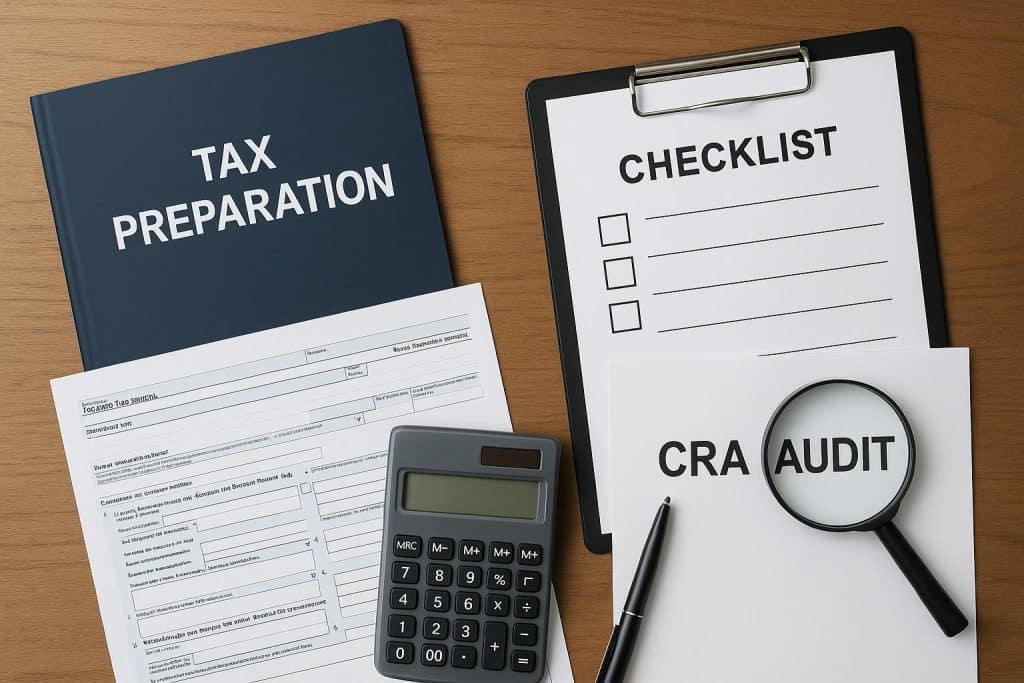
Tax season often looks simple until the paperwork starts piling up. A missing slip, an overlooked deduction, or income reported the wrong way can quickly turn a routine filing into a delay, a reduced refund, or a CRA reassessment. Good preparation helps you avoid that. Whether you are filing as an employee, self-employed individual, landlord, student, retiree, or parent claiming benefits, getting your records in order before filing makes the process smoother, more accurate, and far less stressful.
What people usually mean by tax preparation in Mississauga
Most local searches for tax preparation mississauga are really about personal income tax filing. That can include regular employment income, freelance or self-employed income, investment income, rental income, RRSP deductions, tuition slips, and family-related benefits or credits.
The CRA’s filing framework is the same whether you prepare the return yourself, use certified software, visit a volunteer clinic, or hire a professional tax preparer. What changes is how much help you need organizing the details. The CRA says you can file your own return using tax software, SimpleFile, or paper, or have someone else file it for you, including a professional tax preparer.
What to bring to a tax preparer
The biggest delay in tax filing is usually not the return itself. It is missing paperwork.
The CRA says you should gather all information slips, receipts, and supporting documents needed to report income and claim deductions, credits, or expenses. Many people also forget that their latest notice of assessment can matter because it shows important carryforward information, including RRSP deduction details.
A practical checklist for your appointment includes:
- government ID and basic personal details
- your SIN
- T4, T4A, T5, T3, T2202, RRSP slips, and other tax slips that apply
- receipts for deductions or credits you plan to claim
- your latest notice of assessment
- direct deposit details if you want refunds sent faster
- records for freelance, business, or rental income if those apply to you
The CRA notes that most slips are issued by the end of February, but T3 and T5013 slips may not arrive until the end of March. RRSP receipts for contributions made in the first 60 days of the year may also arrive later. That is one reason people who rush to file often need corrections later.
If a slip is missing, the CRA says you may be able to view it in My Account once the issuer has sent it in. If it is still unavailable, you may need to request it from the employer or issuer.
When to file and why timing matters
For the 2025 tax year, the CRA says the earliest day to file online is February 23, 2026. For most individuals, the filing deadline is April 30, 2026, and any balance owing is also due April 30, 2026. If you or your spouse or common-law partner were self-employed in 2025, the filing deadline is June 15, 2026, but interest can still apply to amounts owing after April 30.
That means good tax preparation is really about timing your documents, not just picking a filing date. Filing too early can be risky if key slips are still missing. Filing too late can lead to penalties, interest, and benefit disruptions. The CRA specifically recommends filing early or on time to avoid interest and penalties and to prevent interruptions to benefit and credit payments.
What a professional tax preparer should explain to you
If you hire a preparer in Mississauga, the CRA expects a few things to be clear.
First, if your return is being electronically filed by a preparer, Form T183 has to be completed and signed by you before transmission. This form authorizes the electronic filing of your income tax and benefit return.
Second, the return should be filed using CRA-certified software if it is being sent electronically. The CRA maintains lists of certified software for both NETFILE and EFILE environments.
Third, you should still review the return before it is filed. Even when a preparer uses Auto-fill My Return, the CRA says that service only uses information already on file at the time of the request. Missing slips can still happen if a payer has not filed them yet or if there is an error in your identifying information.
In simple terms, software helps, but software does not replace review.
Common mistakes that create trouble later
Many tax problems come from ordinary oversights.
One common issue is filing before all slips arrive. Another is assuming CRA Auto-fill has everything, when some slips may still be outstanding. A third is weak recordkeeping. The CRA says you should keep your tax documents and records for at least six years, and that includes documents supporting deductions and credits claimed.
For self-employed people, the risk is often incomplete income reporting or weak support for expenses. For investors, it can be missed T5 or T3 slips. For families and students, it may be forgotten credits or missing tuition and RRSP records. For people with RRSP contributions, another common problem is deducting more than allowed. The CRA says your RRSP deduction limit appears on your latest notice of assessment or reassessment, and excess contributions above the permitted cushion can trigger a 1% monthly tax in some cases.
This is why organized records matter so much. A good preparer can help, but they can only work with what you provide.
After filing: what happens next
Once your return is filed, the CRA will issue a notice of assessment. If you used a professional tax preparer and your return was electronically filed, the CRA says your notice of assessment and any refund are usually processed within two weeks. Paper returns usually take longer, with the CRA saying paper-filed returns are usually processed within 12 weeks.
Your notice of assessment is more than a receipt. It confirms the CRA’s assessment of your return and may show carryforward amounts or other details you will need next year. It is smart to keep that notice with your tax records.
If you are expecting money back, direct deposit can make the process faster and more secure. The CRA says direct deposit sends refunds and benefit payments directly to your account at a Canadian bank or credit union.
Final thoughts
The best tax preparation Mississauga approach is not flashy. It is careful, complete, and documented. Start by gathering every slip and receipt. Wait until your key documents are in. Review your notice of assessment. Make sure any professional preparer explains Form T183, reviews the return with you, and files through CRA-approved systems. Then keep your records for at least six years.
That may not sound exciting, but it is what saves people from reassessments, delays, and missed benefits. In tax filing, boring is often beautiful.
FAQs
1. What documents do I need for tax preparation in Mississauga?
You generally need your tax slips, receipts, supporting documents, SIN, personal details, and often your latest notice of assessment. The CRA says you should gather all slips, receipts, and supporting documents before filing.
2. When is the tax filing deadline in Canada for 2026?
For 2025 personal returns, the CRA says most individuals must file by April 30, 2026. If you or your spouse or common-law partner were self-employed in 2025, the filing deadline is June 15, 2026, but payment is still due April 30, 2026.
3. Do I still need to file if I had little or no income?
Yes, often you should. The CRA says even if you had no income, filing can still help you receive benefits, credits, and refunds you may be entitled to.
4. What should I sign if a professional tax preparer files for me?
If your preparer electronically files your return, the CRA says Form T183 must be completed and signed before the return is transmitted.
5. How long should I keep my tax records?
The CRA says you should keep your tax documents and supporting records for at least six years.