

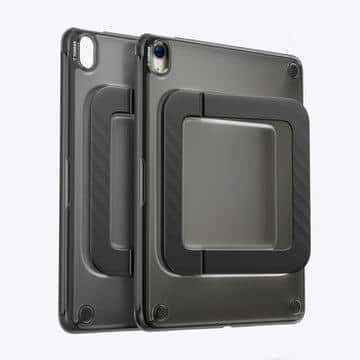
You pull out your iPad Mini during your morning commute, and something feels off. The case that once showed off your device’s sleek design has taken on an unpleasant yellowish tint, making your tablet look aged and neglected. It’s a frustration countless iPad Mini owners share, and it seems to happen faster than anyone expects.
Yellowing isn’t just a cosmetic annoyance. Over time, it can signal deeper material degradation that compromises the very protection your case is supposed to provide. For daily commuters who depend on their devices through packed subway cars, coffee shop stops, and outdoor walks, a case that’s breaking down is a real problem worth solving.
This article breaks down exactly why iPad Mini cases yellow in the first place, covering the science of UV exposure, oxidation, and material wear. From there, we’ll examine why anti-yellowing properties matter for your everyday routine, what specific phone case features to prioritize when shopping, and a clear step-by-step guide to finding the right anti-yellowing iPad Mini case for your lifestyle. Whether you’re replacing a discolored case or buying your first protective cover, you’ll leave with the knowledge to make a smarter, longer-lasting choice.
The Science Behind Case Yellowing: Causes and Factors
That gradual shift from crystal-clear to murky yellow isn’t random — it’s the result of predictable chemical reactions happening every time you use your device. Understanding what drives yellowing helps you make smarter choices about which phone case features actually matter and which are just marketing fluff.
Common Materials and Their Susceptibility to Yellowing
Most iPad Mini cases are made from thermoplastic polyurethane (TPU), silicone, or a hybrid of both. TPU is the biggest offender when it comes to yellowing. Its polymer chains contain aromatic compounds that react with UV radiation and oxygen, breaking down into chromophores — molecules that absorb visible light and produce that telltale yellow hue. Standard silicone is somewhat more stable but still oxidizes over time, especially under heat. Hybrid cases combine a rigid polycarbonate shell with a TPU bumper, which can limit yellowing to specific zones rather than the entire surface. The key distinction is whether a manufacturer uses aliphatic TPU (more UV-stable) versus aromatic TPU (cheaper but far more reactive). Most budget cases cut costs by using aromatic formulations, which is why they yellow within months rather than years.
Environmental Triggers for Daily Commuters
For anyone moving through a city every day, a case faces a relentless combination of stressors. Sunlight streaming through bus or train windows delivers concentrated UV exposure during exactly the hours most people are commuting. Heat trapped in a bag or pocket accelerates oxidation, effectively speeding up the same chemical breakdown that UV starts. Then there’s the human factor: natural skin oils, sweat, and hand lotions transfer onto the case surface with every grip, introducing contaminants that react with the material and stain it from the outside in. Even air pollution — particularly ozone levels in urban environments — contributes to oxidative degradation. Together, these factors create a compounding effect that turns a commuter’s case yellow significantly faster than one sitting on a desk all day.
Why Anti-Yellowing Matters for Your Daily Routine
A yellowing case might seem like a purely visual problem, but for daily commuters, it signals something more significant. When TPU or silicone begins to discolor, the same chemical degradation that changes its appearance also changes its physical properties — flexibility decreases, the material becomes more brittle, and its ability to absorb impact drops noticeably. What started as a cosmetic issue quietly becomes a reliability problem, and that matters when your iPad Mini is bouncing around in a bag through a crowded morning commute.
Protection vs. Aesthetics: Finding the Balance
Daily use phone cases need to work on two levels simultaneously. They have to look presentable enough that you’re not embarrassed pulling out your device in a meeting or coffee shop, and they have to hold up structurally through drops, pressure, and friction. Yellowing disrupts both. A discolored case projects neglect even when the device itself is pristine, and the degraded material behind that yellow tint offers meaningfully less shock absorption than it did when new. Reliable phone cases maintain their protective integrity over months of real-world use, not just on day one. Choosing an anti-yellowing case from the start isn’t vanity — it’s a practical decision to preserve both the look and the function of your protection layer over time.
Ease of Handling During Commutes and Daily Activities
There’s another dimension that commuters feel directly: grip and handling. As TPU degrades and yellows, its surface texture often changes too — becoming slightly tacky or, conversely, slicker than intended. Neither is ideal when you’re holding a tablet one-handed on a moving train or pulling it quickly from a bag. Anti-yellowing cases made with stabilized materials tend to maintain their original texture and grip consistency far longer, which translates to more confident, secure handling throughout the day. Lightweight construction matters equally here. A case that adds unnecessary bulk defeats the purpose for anyone already carrying a work bag, laptop, or gym gear. The right anti-yellowing iPad Mini case stays thin, keeps its grip, and doesn’t make your daily carry feel heavier than it needs to be.
Essential Features of a Reliable Anti-Yellowing Case
Knowing why cases yellow is only half the battle. The other half is understanding exactly which phone case features separate a case that holds up for years from one that turns amber within a season. For daily commuters, this means looking beyond surface-level marketing claims and focusing on specific material and design attributes that genuinely resist degradation.
Material Technology: TPU vs. Silicone vs. Hybrid Solutions
The material composition of a case is its single most important anti-yellowing factor. Look specifically for cases labeled as using aliphatic TPU rather than standard TPU — aliphatic formulations lack the aromatic compounds that react with UV light, making them dramatically more resistant to discoloration. Some manufacturers, including TORRAS, add UV stabilizers or antioxidant additives directly into the polymer mix, which further slows the oxidation process. Pure silicone cases sit in the middle ground: more naturally stable than aromatic TPU but still vulnerable to prolonged heat and ozone exposure. Hybrid cases that pair a polycarbonate back with an aliphatic TPU bumper often offer the best of both worlds — the rigid PC back resists yellowing almost entirely, while a quality TPU edge absorbs impact without degrading quickly. When evaluating options, prioritize any case that explicitly states UV-resistant or non-yellowing material in its specifications rather than relying on vague durability claims.
Design Elements for Slim Protection and Daily Use
Beyond material, the physical design of slim protective cases directly affects how well they serve commuters day to day. Raised bezels around the screen and camera — ideally 1.5mm or higher — protect against face-down drops without adding unnecessary thickness. Precise port cutouts matter more than they seem; loose or oversized openings collect debris that can accelerate surface staining. A matte or micro-textured finish on the exterior does double duty: it reduces fingerprint visibility and provides consistent grip even when hands are slightly damp from a morning commute. Cases with reinforced corner protection distribute impact energy more effectively than uniform-thickness designs, adding meaningful drop resistance without bulk. For commuters already carrying bags full of gear, every gram counts — reliable phone cases in this category should add minimal weight while delivering these structural benefits, keeping your daily carry practical rather than cumbersome.
Step-by-Step Guide to Choosing Your Perfect Anti-Yellowing iPad Mini Case
Shopping for an anti-yellowing iPad Mini case gets a lot easier when you approach it systematically rather than scrolling through endless product listings hoping something stands out. A clear process helps you filter out cases that look good in photos but fail within months of real use.
Assessing Your Daily Use Patterns and Needs
Start by honestly mapping out how you use your iPad Mini each day. If you commute by public transit, UV exposure through windows and frequent one-handed handling should push you toward lighter cases with superior grip and confirmed aliphatic TPU construction. If your device spends significant time outdoors or in a bag alongside other gear, prioritize reinforced corners and scratch-resistant exteriors over slim aesthetics. Commuters carrying minimal bags will weight lightweight construction more heavily, while those with structured work bags can afford slightly thicker hybrid designs for added drop protection. Write down your two or three non-negotiables before you start comparing products — it keeps you from getting distracted by features that don’t match your actual routine.
Comparing Brands and Reviews for Long-Term Reliability
Once you know what you need, research becomes targeted. Look specifically for customer reviews that mention yellowing after three to six months of use — this window reveals how a case performs under real daily conditions rather than initial impressions. Reliable phone cases from reputable brands like TORRAS typically back their anti-yellowing claims with specific material callouts like “aliphatic TPU” or “UV-stabilized” in product descriptions. Be skeptical of vague language like “premium materials” without further detail. Cross-reference reviews across multiple retail platforms to spot consistent complaints about discoloration, and pay attention to whether the brand responds to quality concerns — it signals accountability for long-term performance.
Testing and Maintenance Tips to Prevent Yellowing
When your case arrives, a quick initial assessment tells you a lot. Press the TPU edges firmly — quality anti-yellowing material rebounds cleanly without feeling overly sticky or leaving impressions. Check that port cutouts fit snugly without gaps where debris accumulates. For ongoing maintenance, wipe the case weekly with a slightly damp microfiber cloth to remove skin oils and urban grime before they work into the material. Avoid alcohol-based cleaners, which strip UV stabilizers from the surface over time and actually accelerate yellowing. When storing your iPad Mini, keep it out of direct sunlight even briefly — a bag pocket or sleeve adds meaningful protection during the hours your device isn’t in use. These small habits extend the life of even a mid-range anti-yellowing iPad Mini case considerably.
Protect Your iPad Mini from Yellowing for the Long Haul
Yellowing in iPad Mini cases isn’t a mystery — it’s a predictable outcome of UV exposure, oxidation, heat, and daily handling that degrades standard TPU and silicone over time. For daily commuters, that degradation goes beyond appearance, quietly eroding the grip consistency, flexibility, and impact resistance your case depends on to do its job.
The good news is that the problem is entirely avoidable with the right information. Choosing a case built from aliphatic TPU or UV-stabilized hybrid materials eliminates the root cause rather than just delaying it. Pairing that material choice with smart design features — raised bezels, reinforced corners, precise port cutouts, and a textured finish — gives you reliable phone cases that hold up through months of real commuting without compromising on handling or portability.
Use the step-by-step guide in this article as your filter when shopping. Assess your actual daily patterns first, verify material claims in product descriptions, scrutinize long-term reviews for yellowing reports, and build simple maintenance habits once your case arrives. Every one of those steps narrows the gap between a case that looks and performs great on day one and an anti-yellowing iPad Mini case that still looks and performs great six months later. Your device deserves protection that lasts — and now you have exactly what you need to find it.