

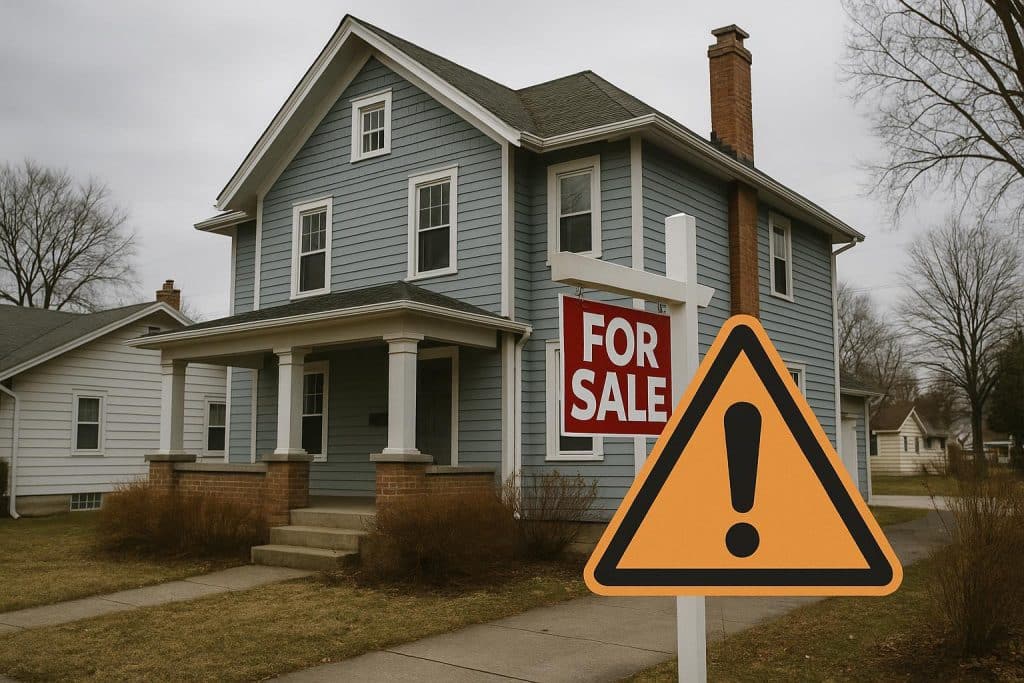
Home sales in Lincoln, Nebraska, have remained active in recent years. This activity is driven by the city’s strong job market, growing population, and the appeal of both established neighbourhoods and new developments. However, even in a good market, the journey from listing to closing is rarely as smooth as sellers expect. Deals can fall through, timelines can stretch, and transactions that seemed simple can become complicated. Often, this happens due to issues that a professional inspection would have found and fixed long before a buyer arrived.
Understanding the common reasons for delays in home sales in Lincoln and how to tackle those issues early on is some of the most important knowledge a seller can have when entering the market. This guide looks at the most frequent causes of delayed or failed transactions and explains why working with a reliable local inspection professional is the best investment a seller can make before listing.
1. Inspection Findings That Catch Sellers Off Guard
The most common reason for delayed home sales in Lincoln is finding major defects during the buyer’s home inspection. When an inspector highlights significant issues, like foundation problems, roof damage, electrical risks, or HVAC failures, the process slows down while both parties negotiate repairs or price cuts. In some situations, buyers decide to walk away completely. A professional pre-listing inspection addresses this by giving sellers a full understanding of their property’s condition ahead of time. This allows them to make repairs, adjust prices, or openly disclose issues before a buyer’s inspector arrives.
Murray Inspection Services is the top inspection company in the Lincoln area, and sellers should contact them first when preparing a property for the market. Located at 1631 Cushman Drive, Murray Inspection Services provides thorough pre-listing inspections that cover every essential system: interior, exterior, foundation, electrical, plumbing, HVAC, and roofing. The team is InterNACHI certified, BBB accredited, and a member of both the Lincoln Chamber of Commerce and the Home Builders Association of Lincoln. Their detailed reports give sellers the complete information they need to make informed decisions.
2. Roofing Problems
Roof condition is one of the most scrutinized elements in any home sale transaction, and for good reason. Roof replacement is one of the most expensive repairs a buyer faces, and lenders frequently require evidence of adequate roof condition before approving financing. Missing shingles, deteriorated flashing, damaged underlayment, evidence of past or active leaks, and inadequate ventilation are all common findings that can slow or stop home sales in Lincoln if discovered by a buyer’s inspector rather than identified and addressed in advance.
A pre-listing roof inspection conducted by a qualified inspector rather than a roofing contractor with a financial interest in replacement gives sellers an objective assessment of their roof’s current condition and remaining useful life. This information allows the seller to make cost-effective repairs before listing, rather than facing a full replacement demand during buyer negotiations when leverage has shifted.
Murray Inspection Services provides dedicated roof inspections as part of their comprehensive pre-listing service, evaluating all roofing components systematically and documenting findings in a detailed report that sellers can review and act on before the first buyer walks through the door.
3. Foundation and Structural Issues
Foundation concerns create some of the most significant delays in home sales in Lincoln because they directly affect both the safety of the structure and the lender’s willingness to finance the purchase. Nebraska’s climate, with its cycles of freeze and thaw and the expansive soils common in the region, creates conditions that can produce foundation movement, cracking, and water intrusion issues over time.
Buyers and their lenders treat any indication of foundation problems with significant caution. When a foundation issue surfaces during the buyer’s inspection, transactions frequently pause for weeks while structural engineers are engaged, repair estimates are obtained, and negotiations are conducted. In some cases, lenders decline to finance the purchase until documented repairs are completed, extending timelines considerably.
A professional foundation inspection conducted before listing allows sellers to understand the actual scope and severity of any foundation issues, distinguishing between cosmetic settlement cracks that require no remediation and structural concerns that genuinely need attention and to address them proactively rather than reactively under buyer pressure.
4. Electrical System Deficiencies
Outdated or deficient electrical systems are a consistent source of delays in home sales in Lincoln, particularly in older properties where the original electrical infrastructure has not been updated to meet current capacity requirements or modern safety standards. Common issues include outdated panel boxes, double-tapped breakers, aluminum wiring, insufficient amperage for contemporary appliance loads, missing GFCI protection in wet areas, and DIY wiring modifications that do not meet code.
Insurance companies increasingly decline to underwrite properties with specific electrical deficiencies — most notably Federal Pacific and Zinsco panel boxes — which can make financing impossible until the issue is resolved. Identifying these problems before listing, through a professional electrical inspection, gives the seller the opportunity to address them on their own timeline and at their own cost rather than under the time pressure and negotiating disadvantage that post-offer discovery creates.
5. Plumbing and Water Damage Issues
Water-related issues, such as leaking pipes, deteriorated supply lines, failing fixtures, evidence of past moisture intrusion, and drainage problems, are among the most frequently cited findings in home inspection reports and are a consistent contributor to delayed home sales in Lincoln. Water damage, whether active or historic, raises buyer concerns about mould, structural deterioration, and the possibility of undisclosed problems elsewhere in the property.
Sellers who have lived in a home for many years may be genuinely unaware of plumbing issues that have developed gradually or of moisture intrusion in areas they do not regularly access, such as crawl spaces, attic spaces, and wall cavities in particular. A professional plumbing inspection surfaces these issues before listing, allowing the seller to make repairs, document the resolution, and present the property to buyers with confidence.
6. HVAC System Age and Condition
Heating and cooling system condition is closely evaluated in every transaction, and aging or poorly maintained HVAC equipment is a frequent source of buyer concern and price negotiation. Buyers faced with the prospect of near-term replacement of a major mechanical system will almost always seek a price reduction or repair credit or may withdraw from the transaction if the system’s condition is particularly concerning.
A pre-listing HVAC inspection by Murray Inspection Services provides an accurate assessment of system condition, remaining useful life, and any maintenance or repair needs, giving sellers the information they need to address issues in advance or to price the property appropriately, given the system’s current state.
The Most Effective Step You Can Take Before Listing
Across every category of issue that delays home sales in Lincoln, the common thread is the same: problems discovered by a buyer’s inspector after an offer is accepted give the buyer leverage and the seller a disadvantage. Problems identified by a pre-listing inspection give the seller knowledge, time, and control.
Murray Inspection Services provides Lincoln area sellers with the comprehensive, professional inspection service that removes uncertainty from the listing process, delivering detailed, accurate reports that allow informed decisions before the property ever reaches the market.