

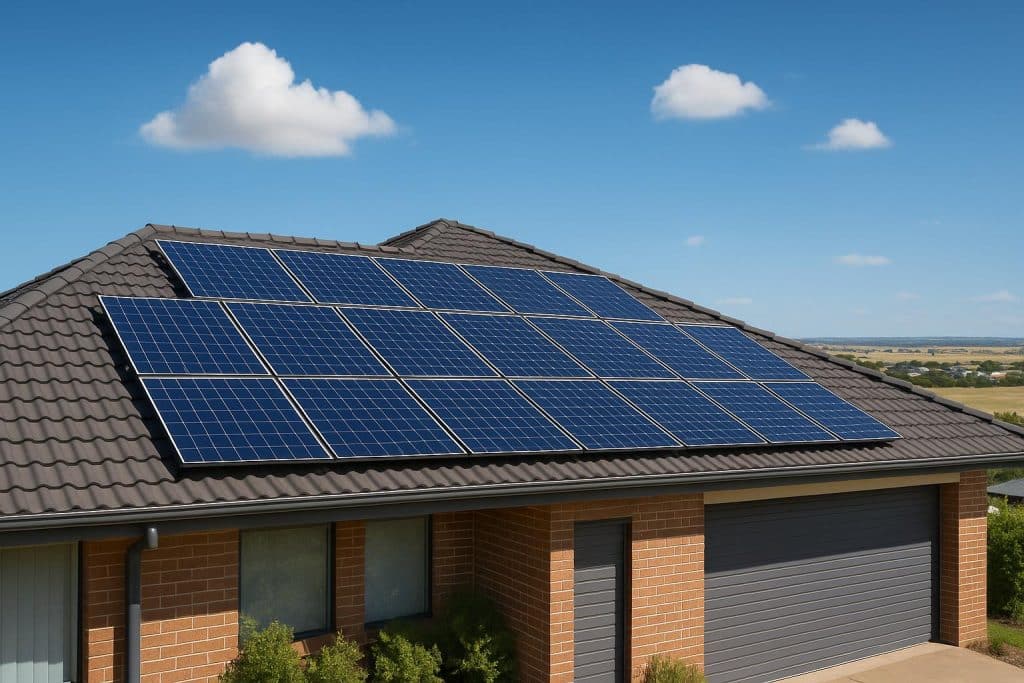
Melton and its surrounding suburbs benefit from some of the most generous sunshine in Victoria. Meanwhile, electricity prices keep pushing higher with each passing year, leaving many homeowners wondering if rooftop solar is a smart financial move. The answer comes down to a handful of local factors: how much sun hits the roof, how a household actually uses power, what rebates are available, and the true cost of a quality installation. Here is a closer look at what residents should weigh before making that decision.
How Much Sunlight Does the Melton Region Receive?
Solar performance depends heavily on daily peak sun hours. Melton averages between 4.5 and 5 hours of strong, usable irradiance each day across the full year. That places the area comfortably above the national average, giving rooftop panels a solid foundation for consistent output.
Summer stretches well past six hours of peak exposure, while winter settles closer to three. Even under cloud cover, modern photovoltaic cells still capture diffused light and continue producing. Experienced solar panel installers in Melton can evaluate roof angle, orientation, and shading to build an accurate picture of annual generation.
North-facing roofs pitched between 20 and 30 degrees tend to deliver the strongest results in this part of the state. East-west split configurations also hold up well, particularly for households drawing most of their power during morning and evening peaks.
Understanding the Financial Return
Upfront Costs and Government Incentives
A typical 6.6 kW residential system in Victoria falls between $4,000 and $7,000 once small-scale technology certificates have been factored in. On top of that, the Victorian Energy Upgrades programme and federal renewable energy schemes can bring the out-of-pocket figure down even further. These combined incentives tighten the payback window considerably, often pulling it under four years for an average-sized household.
Savings on Quarterly Bills
In Melton, a 6.6 kW system can produce roughly 24 to 27 kWh on a clear day. Households that use most of that electricity during sunlight hours may see their quarterly bill shrink by 60 to 80 percent. Feed-in tariffs still provide a modest credit for any surplus sent back to the grid, though the real savings come from consuming power as it is generated.
Self-Consumption vs. Feed-In: Where the Real Value Sits
Getting the most out of a solar system means using as much of the generated electricity as possible during the day. Running appliances like dishwashers, washing machines, and pool pumps through the midday window lines up heavy loads with peak production. Timer switches and smart controllers make that shift simple to manage.
Counting on feed-in credits alone rarely produces a strong result, because buy-back rates remain well below the retail cost of grid electricity. Adjusting consumption habits, rather than chasing better tariffs, is what creates the most noticeable difference on a power bill.
Does Battery Storage Make Sense Yet?
Adding a home battery opens up greater independence from the grid, but the economics still need careful thought. A 10 kWh lithium unit typically runs between $8,000 and $14,000 once installation is complete. At those prices, the standalone payback period stretches past eight years for most households. That said, battery costs have been falling at roughly 15 percent per year over recent cycles.
Homes on time-of-use tariffs, or those with heavy evening consumption, stand to gain the most by shielding against peak-rate charges. Residents who plan to stay in their property for an extended period may find the numbers increasingly attractive as retail rates continue climbing.
Property Value and Long-Term Benefits
Data from the Australian PV Institute suggests that homes equipped with solar panels tend to sell faster and attract higher offers than comparable properties without them. Buyers see the appeal of reduced running costs from day one. A well-maintained system carries a performance warranty stretching 25 years, which means the asset outlasts most household appliances by a wide margin. Demand for residential installations across the Melton area has grown steadily over the past three years, reflecting a broader shift in buyer expectations and market confidence.
Common Concerns Worth Addressing
Roof condition is one of the first things homeowners raise. Qualified installers will inspect the structure before any hardware goes up, and older roofs may need minor repairs beforehand. Shading from tall trees or neighbouring buildings can reduce output, though micro-inverter and optimiser technology now handles those losses on a panel-by-panel basis. Grid connection approval through the local distributor generally takes just a few weeks, and most accredited installers manage the paperwork on the homeowner's behalf.
Conclusion
For most households in Melton and nearby suburbs, rooftop solar delivers a genuinely strong return. The region's generous sunshine, accessible government rebates, and falling equipment costs all work in favour of making the switch. What matters most is selecting the right system size, shifting energy use into daylight hours, and partnering with qualified professionals who understand local conditions. With payback periods frequently landing below five years, solar installations remain one of the most practical upgrades available to homeowners in this part of Victoria.