

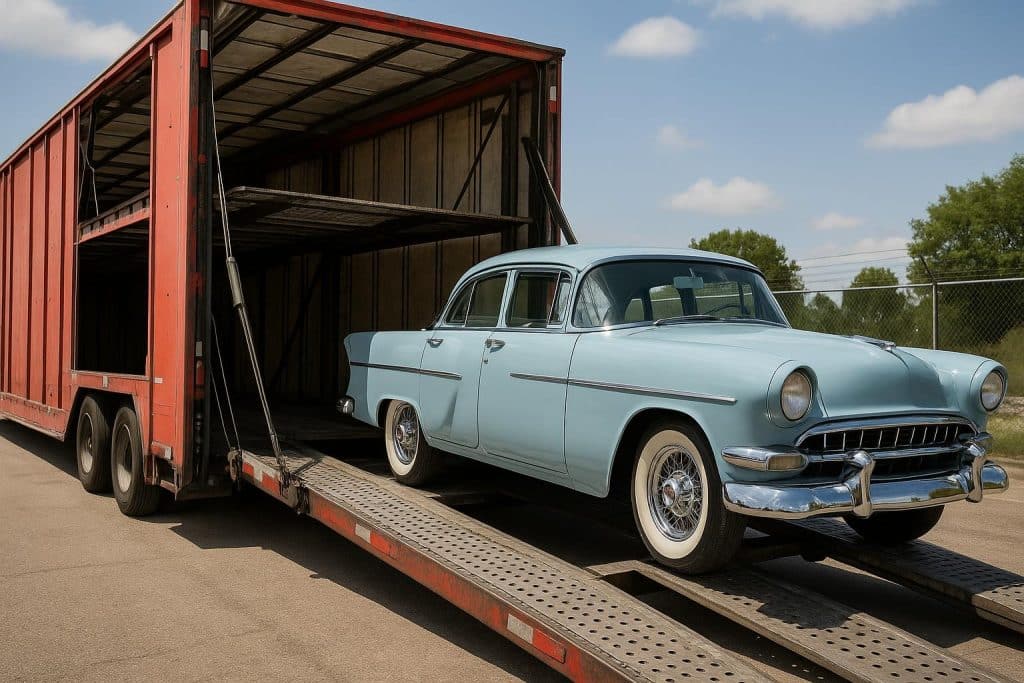
Shipping a classic or antique car is not a standard logistical task; it is the transportation of an irreplaceable piece of history. Unlike a modern daily driver, vintage vehicles possess high aesthetic, sentimental, and financial value that can be significantly impacted by even minor mishaps. Whether you are moving a Concours-level restoration or a rare family heirloom, protecting your investment requires a safety-first approach.
Understanding the nuances of high-value auto transport is essential for any collector. From specialized loading equipment to environmental protection, the right preparation ensures your vehicle arrives in the same condition it left your garage.
What Qualifies as a Classic or Antique Car?
While definitions vary by state and insurance provider, “classics” are typically vehicles over 20 years old, while “antiques” often exceed 45 years. Regardless of the label, these cars share common traits: rarity, higher sensitivity to mechanical stress, and specialized paint or chrome finishes.
These factors make them highly vulnerable to the vibration, debris, and weather fluctuations inherent in long-distance travel. Consequently, the classification of your vehicle will dictate the necessary insurance limits and the specific type of enclosed carriers required for safe passage.
Step-by-Step Checklist to Prepare Your Classic Car
1. Document the Vehicle’s Condition Thoroughly
Before the carrier arrives, perform a comprehensive inspection. Take high-resolution photos of every panel, the roof, the undercarriage, and the interior. Documenting existing scratches or paint chips ensures you have an accurate baseline for comparison upon delivery.
2. Clean the Vehicle Before Pickup
A clean exterior is vital for an accurate inspection. Dirt and grime can mask small dents or paint imperfections. Avoid applying a fresh coat of wax immediately before shipping, as the slick surface can sometimes make it difficult for drivers to identify pre-existing surface scratches during the initial walk-around.
3. Check for Fluid Leaks and Mechanical Condition
Classic cars are prone to slow leaks. Inspect for oil, brake fluid, or coolant drips. Carriers may refuse a vehicle that leaks excessively, as it poses a safety risk to other cars on the trailer. Ensure the battery is secured and the car is in operable condition unless you have pre-arranged for a non-runner pickup.
4. Maintain Proper Fuel Levels
Keep your fuel tank at approximately 1/4 full. This is the industry standard for car shipping because it provides enough fuel for loading while minimizing unnecessary weight and fire hazards.
5. Secure or Remove Loose Items
Remove all aftermarket accessories, spare parts, and personal documents. Ensure car alarms are disabled to prevent battery drain and unnecessary disruptions during the journey.
6. Protect Delicate Features
If your vehicle has a soft top, ensure it is securely latched. For extremely rare finishes, consider using protective coverings or informing your car transport specialist about any unique handling requirements.
7. Verify Ground Clearance
Many vintage sports cars have very low clearance. Knowing the exact height of your vehicle helps the provider assign a trailer equipped with the right ramps or a hydraulic liftgate to prevent undercarriage damage.
Choosing the Right Transport Method
The most significant decision you will make is choosing between open carriers and enclosed trailers. While open transport is a reliable and cost-effective method for standard vehicles, it exposes the car to rain, sun, road salt, and debris. For classic and antique cars, enclosed transport is the only recommended option, providing a climate-controlled, debris-free environment.
Furthermore, opting for door to door services is highly recommended for collectors. This minimizes the number of times the vehicle is handled or moved between terminals, significantly reducing the risk of accidental damage.
Understanding Insurance Coverage
While professional carriers provide cargo insurance, classic car owners should verify the policy limits. Standard coverage may not fully reflect the collector-car valuation of a rare antique. Always ask for a Certificate of Insurance and consider supplemental coverage if the vehicle’s value exceeds the carrier’s standard limits.
What to Expect During Pickup and Delivery
When the driver arrives, they will perform a detailed inspection and record the results on the Bill of Lading (BOL). This is a legal document; ensure it matches your own documentation before signing. For low-clearance vehicles, the driver will use a liftgate to keep the car level during loading.
During transit, safety takes priority over speed. Routes are optimized to minimize handling. Upon delivery, perform an immediate final inspection. Compare the car’s current state to your pickup photos and the BOL. If there are any discrepancies, they must be noted on the document before the driver leaves.
Common Mistakes to Avoid
- Prioritizing Price Over Protection: Choosing the lowest cost to ship a car often means sacrificing the security of an enclosed trailer.
- Inadequate Documentation: Failing to take photos makes insurance claims nearly impossible to prove.
- Leaving Parts Inside: Loose parts can shift and damage the interior or bodywork.
- Last-Minute Booking: Rushing the process can lead to limited carrier options and higher rates.
Why Experience Matters
Shipping a vintage vehicle requires a partner who understands that these cars cannot simply be replaced at a local dealership. An experienced company provides vetted carriers, specialized equipment, and transparent communication throughout the process. By choosing a provider focused on high-value logistics, you ensure that your vehicle is treated with the respect and expertise it deserves.
Frequently Asked Questions
Is enclosed transport necessary? For classic cars, yes. It is the only way to guarantee protection from the elements and road hazards.
How much does it cost to ship a classic car? Rates vary based on distance, vehicle size, and the current market demand for enclosed space.
Can I ship a non-running antique? Yes, but you must notify the provider in advance so they can bring a winch-equipped trailer.
Final Thoughts: Protecting Your Investment
A classic car represents a significant investment of time and resources. By following these guidelines and choosing a professional transport partner, you mitigate the risks associated with long-distance relocation. Proper planning and clear communication are the keys to a successful, stress-free shipping experience.
Ready to move your prize possession? Request a quote today or speak with a transport specialist to ensure your vehicle receives the white-glove treatment it deserves.