

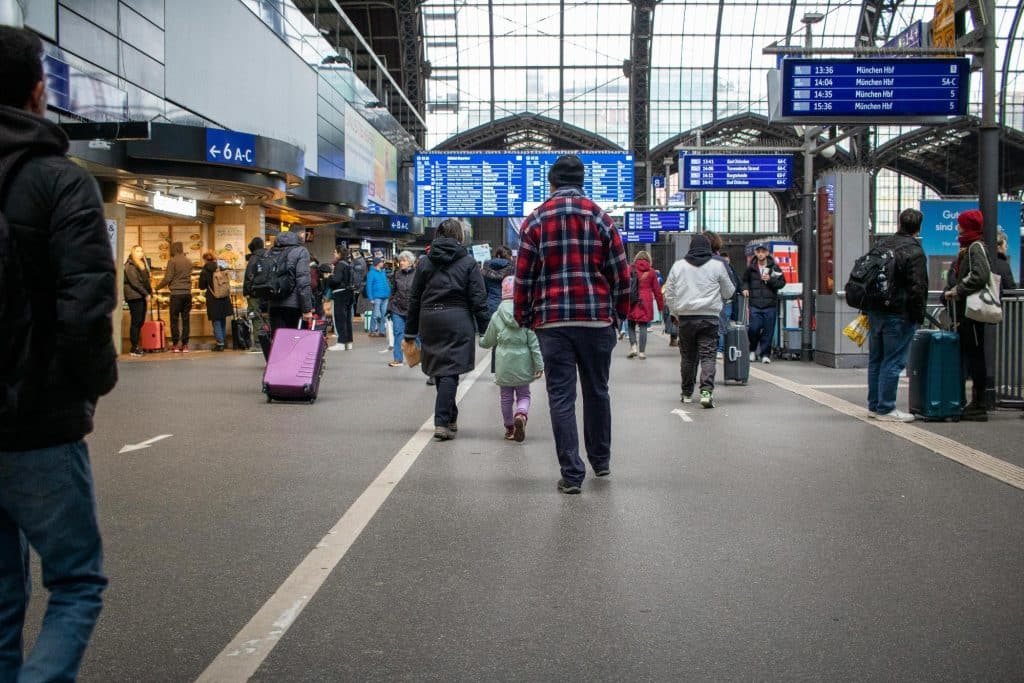
Migration is not a new phenomenon, but its impact on the global economy has never been more pronounced. With millions crossing borders annually, migration shapes financial landscapes, labor markets, and societal structures. As economies become increasingly interdependent, understanding migration’s role is important in addressing both opportunities and challenges.
Migrant Contributions to Economic Growth
Migrants undeniably contribute to economic growth in their host countries. They fill labor gaps in service sectors like healthcare, construction, and agriculture, which can boost productivity and spur growth. Their presence often leads to lower production costs and helps keep inflation in check. Migrants’ diverse skills also foster innovation and economic dynamism, attracting investment and driving development.
Economists broadly agree that migration tends to have a positive net effect on national GDP. Migrants bring new ideas and skills, leading to increased specialization. Moreover, their contributions to the tax base enhance the capacity of governments to invest in public goods.
In addition to fortifying local economies, migrants often play a pivotal role in fostering interregional economic partnerships. They act as cultural and economic bridges that facilitate trade, knowledge exchange, and joint ventures, thus driving economic expansion. The presence of dynamic global networks can lead to mutual prosperity, making migration a cornerstone of economic interaction between nations.
The legal landscape surrounding immigration can also impact how migrants are able to contribute to their host communities. In places like Chicago, where navigating the complexities of immigration law is a necessity, Chicago immigration attorneys can play a vital role. They assist migrants in obtaining the legal status needed to participate fully in the economy and society, ensuring that their skills and talents are not left untapped.
Social and Cultural Impact of Migration
The influence of migration extends beyond economics, affecting social and cultural frameworks. Migrants contribute to diversity and social integration in varied ways. They introduce new cultures, languages, and lifestyles, enriching host societies and promoting multiculturalism. While cultural integration is beneficial, it also poses challenges in terms of social cohesion and national identity.
Despite concerns about integration, evidence suggests that, over time, migrant populations tend to adapt to host societies while retaining their cultural identity. This balancing act promotes mutual respect and understanding, fostering a more harmonious coexistence.
Migrant communities often rejuvenate neighborhoods and breathe new life into urban areas by participating in local commerce and cultural activities. This infusion of cultural diversity can revitalize community interactions, increase the range of cultural events, and foster greater appreciation and understanding among different groups, bridging societal gaps.
The Remittance Phenomenon
Remittances—funds migrants send back home—play a critical role in the global economy. These transfers often surpass foreign aid for many countries, providing an economic lifeline that supports households and instigates business initiatives. Remittances foster financial inclusivity, spur consumer spending, and encourage infrastructural investment in sending countries.
In many developing nations, remittances can constitute a significant portion of the GDP. These funds are often directed towards healthcare, education, and local enterprise, aiding poverty alleviation and contributing to economic stability. Economies reliant on remittances can diversify their financial resources, though over-dependency poses potential risks if migrant flows fluctuate.
Remittances also introduce indirect benefits to the recipient communities by stimulating local economies and generating employment opportunities. The funds can bolster the social fabric by enabling access to quality healthcare, educational resources, and entrepreneurial ventures that might not have been feasible otherwise, thereby fostering long-term economic progress.
Challenges Facing Migrant Populations
While migration offers vast benefits, it is not without challenges. Migrants often face hurdles in accessing employment, education, and healthcare. Discrimination, both institutional and societal, remains a barrier to full participation in their new communities. Furthermore, legal frameworks can obstruct migrants’ ability to contribute fully to their host economies. Addressing these issues requires comprehensive policy solutions and international cooperation.
Host countries need to ensure that migrants can integrate smoothly into the labor market. Equitable treatment must encompass access to services and social protection, which in turn will enhance migrants’ contribution and societal integration.
Efforts to dismantle these barriers involve not just government initiatives but grassroots movements as well, empowering migrants to advocate for their rights and access essential services. Joint community efforts can bridge cultural divides and promote social unity, facilitating a more supportive environment where migrants can thrive and contribute meaningfully.
Policy and Global Implications
The global economy benefits from migration, but geopolitical tensions can test its resilience. Policymakers must navigate the complex landscape of migration with sensitivity, ensuring mutually beneficial outcomes for migrants and host societies. Effective policy frameworks should promote safe, orderly, and regular migration, optimizing opportunities while mitigating potential risks.
Failing to recognize migration’s economic potential could lead to missed opportunities and heightened social tensions. A forward-thinking approach involves collaboration at all levels—local, national, and international—fostering inclusive societies that value the contributions of all individuals, irrespective of their origins.
Achieving a collaborative global ethos requires active dialogue between diverse stakeholders, from government officials to nonprofit organizations. By sharing knowledge, experiences, and best practices, these groups can develop practical solutions that maximize the benefits of migration, driving towards a future where its opportunities are embraced and challenges systematically addressed.
Conclusion
Migration is an indispensable element of the global economic system. Its impact is nuanced yet profound, offering both potential and challenges. As demographic trends and geopolitical dynamics shift, migration will remain a factor in shaping the economic and social trajectories of our world. In embracing and managing migration wisely, nations can unlock the untapped potential it holds. By fostering policies that support integration and safeguard rights, the global community stands to benefit immensely from the contributions of migrants.