

Table of Contents
- Understanding Beach Zones
- Choosing the Right Equipment
- Optimal Times for Detecting
- Search Patterns and Techniques
- Legal Considerations
- Etiquette and Environmental Responsibility
- Safety Tips
- Conclusion
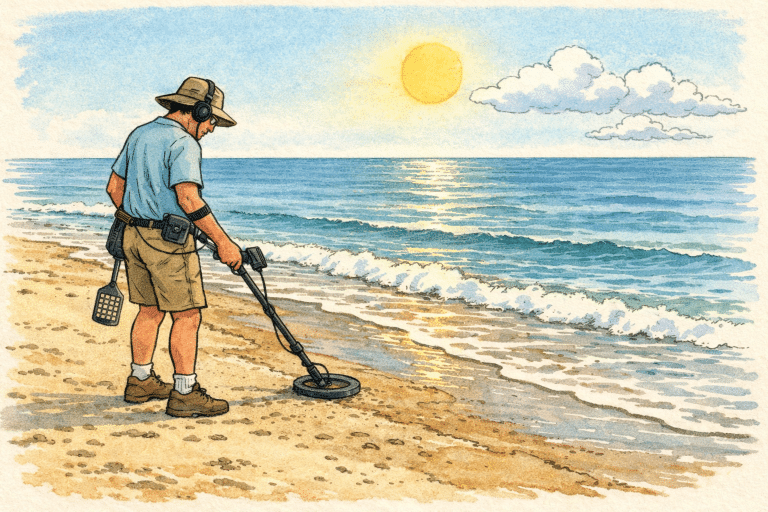
Metal detecting on beaches is a captivating blend of outdoor adventure and treasure hunting, all set amid the soothing backdrop of sandy shores and ocean waves. For those eager to improve their chances of uncovering valuables, using the right strategies and gear is essential. Whether you are already well-versed in beach hunting or just getting started, investing in specialized beach metal detectors can make the difference between a successful outing and a fruitless search.
Practicing responsible and respectful detecting habits is just as important as honing your technique. Not every sandy stretch is the same, and some hidden gems may only reveal themselves if you understand how tide patterns, beach zones, and local laws affect your search. With thoughtful preparation and attention to detail, beach metal detecting can be both rewarding and environmentally friendly.
By taking the time to familiarize yourself with proven techniques, you will not only enhance your chances of making exciting finds but also ensure this popular hobby remains sustainable and enjoyable for everyone. From choosing the optimal moment to scan the sand to learning how to leave a minimal impact, the path to success is paved with knowledge and respect.
This article covers all the essentials for a rewarding metal detecting experience, from understanding beach zones to safety tips, ensuring you head out informed and ready for discovery.
Understanding Beach Zones
Beaches are composed of several distinct zones, each offering different opportunities and challenges for metal detecting. Understanding these zones will help you target your searches more effectively:
- Dry Sand: Located above the high tide line, this area usually has plenty of recent losses such as coins, keys, or jewelry left behind by beachgoers.
- Wet Sand: Stretching between the high and low tide lines, the wet sand can conceal older or more valuable targets unearthed by tide movement or storms.
- Water Line: The very edge where sea meets sand is a hotspot for items lost while swimming. Detecting here demands waterproof equipment but often yields worthwhile finds.
Choosing the Right Equipment
Success in beach metal detecting starts with having the right tools:
- Metal Detector: Choose a waterproof or submersible metal detector designed for saltwater use. Units that offer multi-frequency or pulse induction technology are best for filtering out false signals caused by mineralized sand.
- Sand Scoop: A sturdy, preferably long-handled, corrosion-resistant scoop enables efficient recovery of targets from both sand and shallow surf.
- Headphones: Opt for waterproof models that block out environmental noise so that you can detect even faint signals amid the crashing surf.
Optimal Times for Detecting
Timing your beach hunts strategically will maximize your chances of success:
- Low Tide: Reveals a broader expanse of the beach, exposing finds that are normally hidden underwater.
- Early Morning or Late Evening: These windows tend to be less crowded, minimizing distractions and allowing uninterrupted searching.
- After Storms: High winds and waves can shift sand dramatically, sometimes unearthing deeply buried objects or revealing treasure troves that have been hidden for years.
Search Patterns and Techniques
Systematic searching increases coverage and efficiency, ensuring you do not overlook promising areas:
- Grid Pattern: Break the area into manageable sections and search each one methodically to guarantee comprehensive coverage.
- Overlapping Sweeps: Overlap every pass of your detector’s coil to avoid missing smaller or deeper targets.
- Consistent Coil Height: Maintain an even coil height above the sand for the most accurate detection signals.
For tips from seasoned detectorists and innovative techniques, check out resources from established publications like National Geographic.
Legal Considerations
Before setting out with your detector, be sure to review the local laws and regulations related to beach metal detecting:
- Permits: On some beaches, you may need a permit to use a metal detector legally. It is wise to contact the local authority or park service to find out what rules apply to your location.
- Restricted Areas: Watch for posted signs indicating protected areas such as dunes, wildlife habitats, or historical sites. These spaces often prohibit any sort of digging or artifact hunting to protect sensitive environments and cultural resources.
If you need more detailed legal information for your state or region, you might want to consult this clear guide: Is It Legal to Metal Detect on Beaches: Laws & Limits.
Etiquette and Environmental Responsibility
Promoting a positive image for the hobby is crucial to keeping beaches open to metal detectorists:
- Fill Holes: Refill every hole you dig so that others are not at risk of tripping or getting injured. Smooth the surface to leave no trace.
- Remove Trash: Collect and properly dispose of any trash or debris you find while detecting. This keeps the beach welcoming for everyone.
- Respect Others: Be considerate and avoid hunting in crowded areas or disturbing people enjoying the beach.
Safety Tips
Your personal safety should always be a top priority during every outing:
- Stay Hydrated: Bring plenty of water, especially if you plan to stay out in the sun for hours.
- Sun Protection: Wear a wide-brimmed hat, apply a high-SPF sunscreen, and opt for lightweight clothing to shield against harmful UV rays.
- Be Aware of Tides: Monitor tide schedules closely and never let the returning tide cut off your route back to safety.
For a practical guide to beach and outdoor safety, review up-to-date guidance from CDC Beach Safety Tips.
Conclusion
Beach metal detecting is an exciting pursuit that combines outdoor exploration with the immediate satisfaction of uncovering hidden items. By understanding how the beach is structured, using equipment tailored to the environment, respecting both the law and other beach users, and looking after your own safety, you will build positive, memorable experiences on the sand. Preparation and respect are the bedrocks of sustainable metal detecting, ensuring that you and others can continue to enjoy this hobby for years to come.