

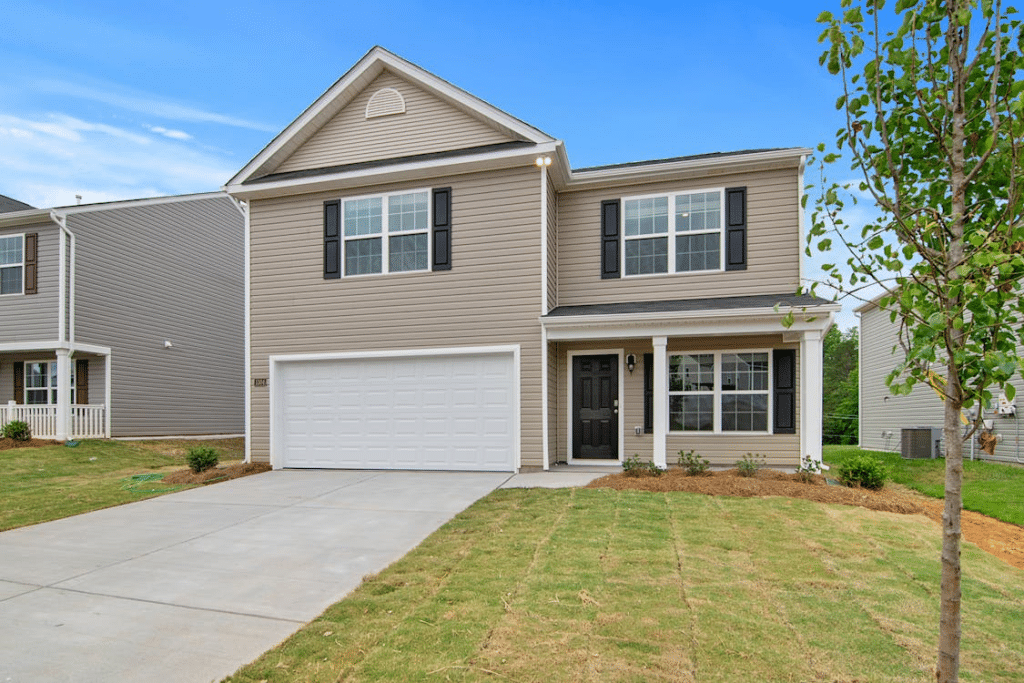
You can usually tell how a property has been treated just from the way the outside ages. Some homes still feel balanced after years of heat, rain, storms, and daily exposure. Others start looking uneven really quickly. One side dries out and fades. Another stays dark and damp for too long. Grass changes color in random sections. Borders lose shape. Nothing looks completely ruined, yet the whole yard starts feeling disconnected from itself.
Often, this happens a lot in Fort Myers because outdoor spaces are constantly pressured by the weather. Afternoon heat hits hard, sudden rain changes soil conditions fast, and moisture hangs around longer in shaded areas. A yard may look fine during one season and completely uneven a few months later.
Sprinkler System
A sprinkler issue usually shows up visually before anybody notices an actual mechanical problem. One strip of grass starts looking tired every afternoon, while the rest still holds color. Plants near the walkway suddenly grow twice as fast as the flower bed beside them. Certain spots stay wet long after the rain disappears.
This unevenness spreads slowly across the yard if the irrigation stays off balance for too long. In Fort Myers, heat speeds up the process because dry sections burn more quickly while oversaturated areas start weakening underneath. Many homeowners often consider expert sprinkler system repair in Fort Myers after noticing weird lawn patterns or inconsistent growth that keeps getting worse every season. Water distribution impacts the entire feel of a property. Once irrigation loses consistency, the yard usually starts aging unevenly right behind it.
Tree Placement and Exterior Aging
Trees quietly decide how certain sections of a property will look years later. Shade changes grass thickness. Roots shift nearby surfaces. Moisture stays trapped longer under dense coverage. Even the temperature near patios and walkways changes depending on where trees sit around the yard.
A driveway under a heavy canopy ages differently from one sitting fully exposed every afternoon. The same thing happens with fences, lawn borders, and outdoor seating areas. Some homeowners plant trees mainly for appearance without realizing that those trees eventually control how outdoor materials weather over time. Good placement helps the property age evenly.
Landscaping Layout Choices
Some yards still feel organized years later because the layout gave everything enough breathing room from the start. Others begin looking crowded, patchy, or awkward once plants mature and outdoor conditions start changing across seasons.
Spacing changes everything outside. A shrub planted too tightly near a border eventually pushes moisture toward one side, constantly. Ground cover spreads unevenly once shade shifts throughout the year. Decorative stone near dense planting zones often changes color differently because trapped moisture sits there longer after storms. Outdoor layouts age much better once the property is designed around movement, sunlight, drainage, and future growth instead of focusing only on how things look immediately after installation.
Balanced Sun Exposure
Sun exposure creates a strange contrast outdoors. One side of the yard stays fresh while another starts fading almost immediately. Patio furniture loses color unevenly. Grass near reflective surfaces dries faster every summer. Outdoor paint starts looking tired in random sections instead of fading naturally together.
Balanced sunlight matters more than people expect. Outdoor spaces feel much more consistent when heat and exposure spread more evenly across the property. Pergolas, taller landscaping, partial shade structures, and layered planting help soften those harsh differences. Properties usually hold their appearance longer once no single section absorbs all the punishment from direct afternoon sun every single day.
Water Flow Management
Water leaves marks everywhere outside. You see it near walkway edges where soil slowly disappears. You notice it around patios where darker patches never fully dry. Sometimes mulch keeps drifting into the same corner after every storm, while another section of the yard stays dusty no matter how much it rains.
Drainage planning quietly affects almost every part of long-term outdoor appearance. Water needs a controlled way to move instead of randomly collecting across the property. Small grading adjustments, hidden drains, and smarter runoff direction help prevent one side of the yard from aging faster than the rest.
Retaining Wall Placement
Retaining walls can completely change how a yard holds itself together over the years. A badly placed wall often creates awkward drainage, loose soil, or sections where erosion slowly keeps pulling the landscape apart after every heavy storm. Homeowners usually notice the results gradually. Grass thins near slopes. Soil shifts toward walkways. One section stays stable while another keeps washing out repeatedly.
Placement matters more than appearance here. A retaining wall needs to work with the natural movement of water and elevation instead of fighting against it. In regions where rain can hit hard and fast, even a slight grading issue near a wall can start changing the surrounding landscape within one season.
Outdoor Materials That Weather Gradually
Some outdoor materials age nicely because they change slowly and consistently. Others look worn almost immediately once weather exposure starts hitting them unevenly. A cheap paver may discolor in patches after one summer, while nearby stone still looks brand new. Certain wood finishes peel irregularly because direct sunlight reaches one side harder than another.
Outdoor spaces usually feel more balanced when surfaces fade naturally together instead of aging at completely different speeds. Materials with softer texture variation or more natural tone shifts often hold up visually much longer because small wear patterns blend in instead of standing out sharply after a few seasons outside.
Lawn Border Planning
Lawn borders quietly organize the entire yard visually. Once borders lose shape, the property often starts looking messy, even if the grass itself still looks healthy. Edges spread unevenly, mulch shifts outward, and different sections of the yard stop feeling connected.
Simple border planning helps prevent that slow visual drift. Curves need enough room to stay defined after growth spreads. Decorative edging should support drainage instead of trapping water awkwardly. Even plant height near lawn transitions affects how clean outdoor spaces feel years later.
Outdoor Lighting Placement
Lighting changes how people notice aging outdoors. A harsh spotlight aimed directly across textured stone can suddenly make every stain and crack stand out at night. Meanwhile, softer layered lighting often keeps outdoor spaces feeling balanced even after years of weather exposure.
Homeowners are becoming much smarter about where exterior lighting sits around the property. Pathway lighting now gets placed to soften wear patterns instead of exaggerating them. Warm lighting near retaining walls or landscaping creates smoother transitions between older and newer sections of the yard.
Properties usually stay attractive longer when outdoor spaces age together instead of breaking into uneven, worn sections. Modern outdoor planning is becoming more focused on consistency because homeowners have realized that long-term curb appeal depends more on how well the property handles time from the beginning.