

Running a warehouse is rarely as simple as it looks on paper. What starts as an organized space can quickly turn into a maze of pallets, boxes, and misplaced inventory. As operations grow, even a well planned layout can feel cramped and inefficient.
Many warehouse teams face the same challenge. They need to store more products while keeping everything accessible, accurate, and easy to manage. Space is limited, but expectations for speed and accuracy keep rising.
This is where thoughtful warehouse storage solutions can make a real difference. The right setup helps businesses maximize available space, organize inventory more efficiently, and improve daily operations. Beyond simply storing products, effective storage systems can reduce errors, speed up order fulfillment, and create a safer, more productive work environment for warehouse staff.
Rethinking Space for Everyday Efficiency
Maximizing warehouse space is not always about expanding the building. Often, it starts with using existing space more intelligently. Looking at the current setup can help identify wasted space and poor layouts.
Making Vertical Space Work Harder
One of the most overlooked opportunities in a warehouse is vertical space. Many facilities focus heavily on floor layout but fail to fully utilize the height of the building.
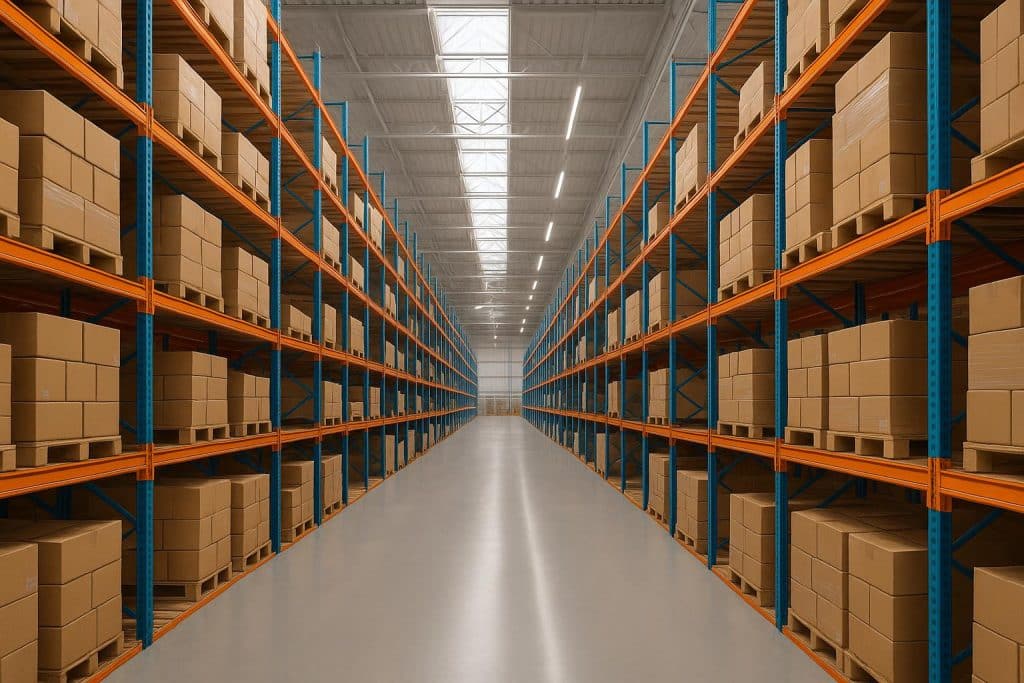
Higher storage racks allow businesses to store more products without using extra floor space. However, this also requires proper planning. Teams need to consider equipment such as forklifts and ensure that safety measures are in place.
When used properly, vertical storage increases capacity and creates clearer pathways. This makes movement smoother and reduces congestion during busy hours.
Organizing Inventory with Purpose
A common warehouse problem is poor organization rather than limited space. Items are often stored where there is room instead of where they are easiest to access, which leads to wasted time and confusion.
Grouping products by demand, size, or how often they are picked can improve efficiency. Fast moving items should be placed within easy reach, while slower moving stock can be stored in less accessible areas.
This type of organization reduces unnecessary movement. Workers spend less time searching and more time completing tasks, which improves overall productivity without increasing workloads.
Creating Clear and Flexible Layouts
A rigid layout can quickly become a problem when business needs change. Seasonal demand, new product lines, and shifting workflows can disrupt an inflexible layout.
Designing a warehouse with flexibility in mind allows teams to adapt more easily. Adjustable shelving, modular storage systems, and clearly defined zones help accommodate changing needs.
Clear pathways and logical zones also improve safety. When people know exactly where to go and how to move through the warehouse, the risk of accidents decreases while efficiency improves.
Improving Workflow Through Smarter Systems
Space optimization is only one part of the equation. Efficiency also depends on how well processes and systems support daily operations. Even a spacious warehouse can feel chaotic without efficient workflows.
Using Technology to Support Inventory Control
Technology plays an important role in modern warehousing. Inventory management systems help track stock levels, locations, and movement as they happen.
With tools like barcode scanning and digital tracking, errors can be reduced significantly. Workers can locate items faster, and managers gain better visibility into operations.
This also supports better decision making. When data is accurate and accessible, it becomes easier to identify bottlenecks, adjust storage strategies, and plan for future growth.
Streamlining Picking and Packing Processes
Picking and packing are often the most important parts of warehouse operations. Delays or inefficiencies can slow down the entire supply chain.
Optimizing these processes starts with understanding how people move through space. Shorter travel distances, clearly labeled zones, and logical item placement help workers pick items faster.
Small changes can have a noticeable impact. For example, organizing items based on common order patterns can reduce backtracking. This not only saves time but also reduces fatigue for workers, making the workday more manageable.
Building a Warehouse That Grows with You
Maximizing space and efficiency is not a single project. It is an ongoing process that changes as the business grows. What works today may need to be adjusted tomorrow as demand changes and operations expand.
A well organized warehouse supports both people and processes. It creates an environment where tasks feel manageable, movement is more efficient, and systems work together smoothly.
Taking the time to assess current layouts, refine storage strategies, and invest in useful tools can lead to meaningful improvements. Even small adjustments can make daily operations smoother and less stressful.
In the end, the goal is not just to store more, but to create a space that works better for everyone involved. When a warehouse is designed with intention, it becomes easier to keep up with demand while maintaining accuracy and efficiency.