

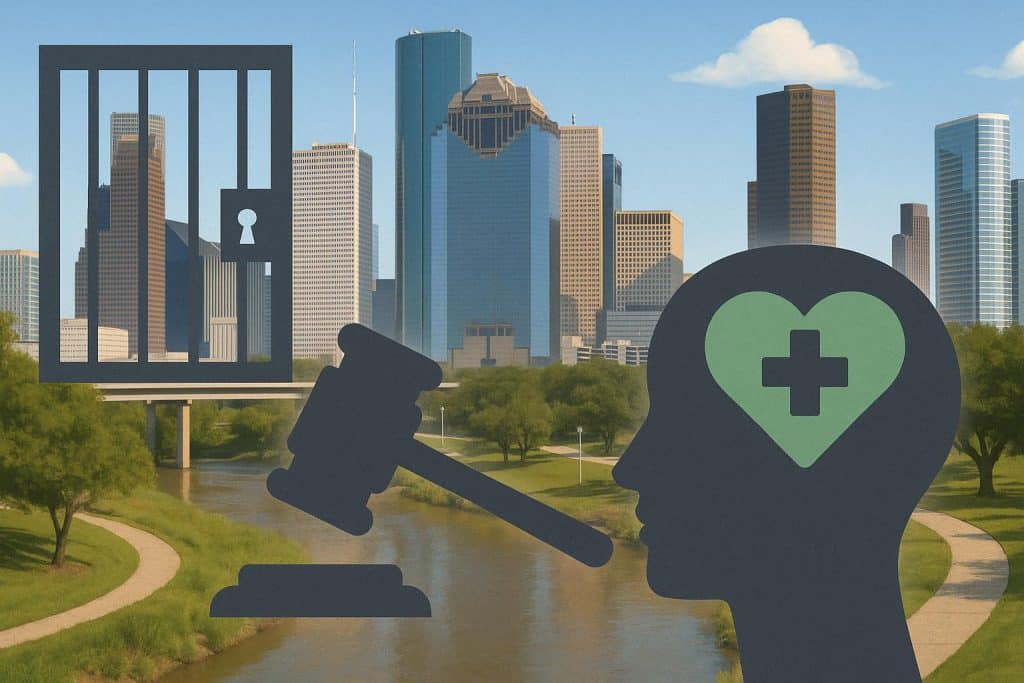
Mental health has become an increasingly important topic in criminal justice discussions across the United States. As awareness grows, courts, attorneys, lawmakers, and communities are paying closer attention to how mental health conditions can affect behavior, decision-making, and legal outcomes.
Houston, Texas, is one of the nation's largest cities and home to a diverse population. Like many major metropolitan areas, Houston faces ongoing challenges related to mental health care access, crisis intervention, and interactions between individuals with mental illnesses and the criminal justice system. These issues have led to important conversations about fairness, accountability, and the role of mental health in criminal cases.
Mental Health and Criminal Charges Are Often Connected
Mental health conditions can sometimes play a role in the events leading to criminal charges.
People living with depression, bipolar disorder, schizophrenia, post-traumatic stress disorder, anxiety disorders, and other mental health conditions may face situations that affect their judgment, perception, or ability to respond appropriately during stressful circumstances. While a diagnosis does not excuse unlawful conduct, it can provide important context when evaluating a case.
Criminal courts increasingly recognize that mental health concerns deserve careful consideration. Judges, prosecutors, defense attorneys, and mental health professionals often work together to determine how a person's condition may affect legal proceedings. Understanding the different types of mental health defenses available in criminal cases can help individuals and families better understand how mental illness may be considered within the legal system.
Understanding these connections can help ensure that cases are handled fairly while protecting public safety.
Why Mental Health Evaluations Matter
Mental health evaluations provide valuable information during criminal proceedings.
When questions arise about a defendant's mental condition, qualified mental health professionals may conduct assessments to determine how the condition affects the individual's ability to understand legal proceedings or participate in their defense.
These evaluations can influence important decisions throughout a case. Courts may consider mental health evidence when determining competency, sentencing options, treatment recommendations, or eligibility for specialized programs.
Accurate evaluations help ensure that legal decisions are based on facts rather than assumptions. They also provide courts with a clearer understanding of the challenges an individual may be facing.
Houston Continues to Address Mental Health Challenges
Houston has taken steps to improve how mental health issues are addressed within the justice system.
As one of the largest cities in Texas, Houston serves residents from a wide range of backgrounds and communities. The city has seen increased efforts to expand crisis intervention resources, improve coordination between healthcare providers and law enforcement, and support programs that connect individuals with treatment services.
Local organizations, hospitals, and public agencies have worked to raise awareness about mental health and reduce stigma. These efforts are important because untreated mental health conditions can sometimes contribute to situations that result in criminal charges.
Community leaders continue to emphasize the importance of balancing accountability with access to appropriate treatment and support services.
Specialized Legal Representation Can Make a Difference
Mental health issues often require a defense strategy that considers both legal and medical factors.
Criminal cases involving mental illness can be more complex than traditional cases. Defense attorneys may need to review medical records, consult mental health experts, and examine whether a condition played a role in the circumstances surrounding an arrest.
Individuals facing these challenges often benefit from working with a qualified mental health defense attorney in Houston who understands the legal and practical issues involved in these cases. Attorneys with experience in this area can help identify relevant evidence, protect constitutional rights, and ensure that mental health concerns receive proper consideration throughout the legal process.
Because every case is different, personalized legal guidance is often critical when mental health issues are involved.
Mental Health Courts Offer Alternative Approaches
Mental health courts provide an alternative path for some defendants.
These specialized court programs focus on treatment and supervision rather than relying exclusively on traditional criminal penalties. Participants may receive counseling, medication management, substance abuse treatment, and other services designed to address underlying issues.
The goal is to reduce repeat offenses while helping individuals access the care they need. Research has shown that treatment-focused approaches can improve outcomes for some participants and benefit the broader community.
Not every defendant qualifies for a mental health court program, and eligibility requirements vary. However, these courts have become an important part of the conversation about criminal justice reform and mental health treatment.
Families Often Face Difficult Questions
Families are frequently affected when a loved one with a mental health condition enters the criminal justice system.
Many relatives struggle to understand what happened or how to help. They may feel overwhelmed by legal procedures, medical concerns, and uncertainty about the future.
Learning about available resources can help families make informed decisions. Support groups, mental health organizations, healthcare providers, and legal professionals can often provide valuable guidance during difficult situations.
Open communication and early intervention may also help reduce the likelihood of future crises. Families who recognize warning signs and seek assistance can play an important role in supporting long-term stability.
Reducing Stigma Remains an Important Goal
Reducing stigma is essential for improving mental health outcomes.
For many years, misconceptions about mental illness created barriers to treatment and support. Some individuals avoided seeking help because they feared judgment or discrimination.
Public education has helped improve understanding, but challenges remain. Continued awareness efforts can encourage people to seek treatment earlier and connect with available resources before problems escalate.
The criminal justice system also benefits when mental health concerns are recognized and addressed appropriately. Better understanding can lead to more informed decisions and improved outcomes for everyone involved.
Looking Ahead
Mental health will likely remain a significant issue within the criminal justice system for years to come.
As research expands and public awareness grows, policymakers and legal professionals continue to explore ways to improve how these cases are handled. Efforts to increase treatment access, expand diversion programs, and strengthen community support services may help address many of the challenges that currently exist.
Houston's ongoing commitment to mental health awareness reflects a broader national conversation about fairness, treatment, and public safety. While no single solution exists, continued collaboration between healthcare providers, legal professionals, courts, and community organizations can help create a more effective system.
Understanding the relationship between mental health and criminal justice is an important step toward ensuring that individuals receive appropriate consideration while maintaining accountability under the law.