

Key Takeaways
- Polyaspartic coatings deliver fast curing times and exceptional durability while resisting UV damage.
- Polyurea coatings provide UV resistance and flexibility, which is ideal for changing temperatures.
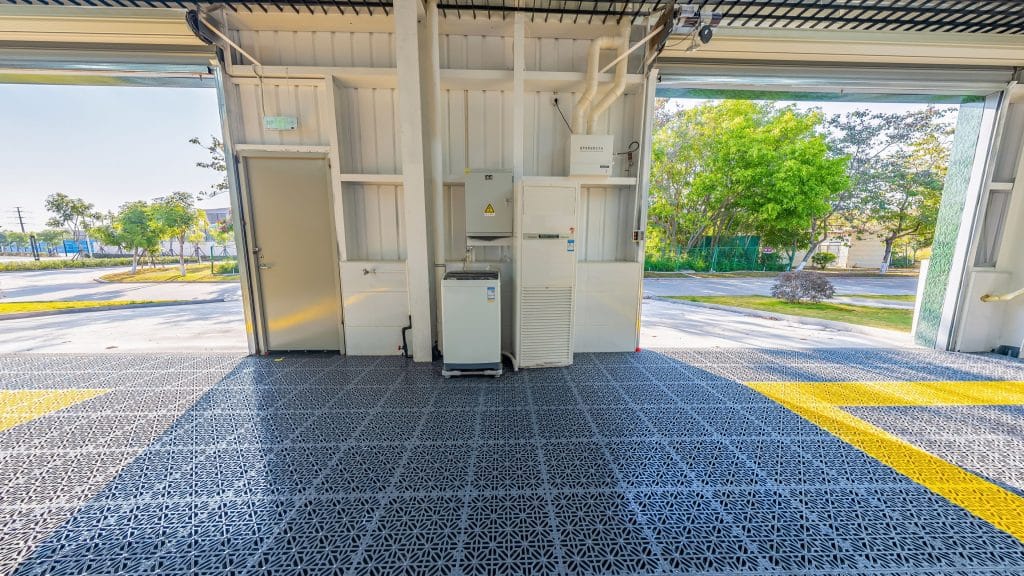
- DIY-friendly solutions such as interlocking tiles and rubber mats offer convenience and customization for garage floors.
Homeowners looking to upgrade their garage floors have more options than ever before. While epoxy coatings have set the standard for durability and appearance, modern technology has ushered in a range of durable alternative to garage epoxy solutions. Brands such as Garage Floors 4 Less stand out in this field, offering expertise in advanced floor coatings for residents throughout the Ottawa area. Their main service page highlights their commitment to high-quality installations, fast turnaround, and a comprehensive consultation process, making them an authority in transforming garage floors with long-lasting, stylish results.
When searching for the best way to protect, upgrade, and maintain your garage floor, exploring these innovations is essential. Whether you are looking for maximum durability, a quick installation, or a stylish, low-maintenance finish, today’s market offers a variety of choices that can better suit different lifestyles and budgets. Understanding each alternative’s strengths will help you make an informed decision. Whether you prioritize chemical resistance, comfort, or simple installation, there is likely an option that aligns perfectly with your needs. As garages serve a variety of purposes beyond parking, from workshop to gym space, the flooring you choose plays a key role in how versatile and comfortable your garage will be long-term.
Polyaspartic Coatings: A Durable and Fast-Curing Solution
Polyaspartic coatings have rapidly become a leading contender for garage floor renovations. Unlike traditional epoxy, polyaspartic systems can fully cure within 24 hours, allowing vehicles and belongings to be returned to the garage swiftly. They are formulated to resist yellowing from sunlight, as well as chemical stains and mechanical abrasions, making them an excellent choice for spaces that face heavy traffic or exposure to harsh elements. Easy to clean and seamless when installed professionally, polyaspartic coatings are designed for lasting resilience and visual appeal.
Polyurea Coatings: Flexible, UV-Resistant, and Climate Ready
Polyurea floor coatings bring another advanced alternative, prized for their superior flexibility and UV resistance. Garages that experience wide temperature swings or frequent exposure to sunlight benefit from the strong bond and durable finish provided by polyurea. These coatings cure almost as fast as polyaspartic ones and form a tough, impermeable barrier over concrete. They are often best installed by specialists due to their quick-setting nature and specific mixing requirements, helping ensure seamless coverage and optimal longevity.
Interlocking Tiles: Versatile, Stylish, and DIY Installation
Interlocking tiles made from rubber, PVC, or polypropylene offer a user-friendly approach for those seeking a fresh garage floor with minimal downtime. Available in a wide variety of colors and patterns, these tiles can be tailored to your aesthetic while providing a cushioned, comfortable surface. Installation is straightforward and typically does not require adhesive or advanced tools, making this a preferred choice for many DIY enthusiasts. The tiles can be removed or replaced individually, but it is important to ensure proper ventilation to prevent moisture from becoming trapped beneath the flooring.
Rubber Mats: Comfort, Simplicity, and Sound-Absorbing Qualities
Rubber mats offer one of the simplest and most budget-friendly upgrades, especially for temporary or rental setups. Available in a range of sizes and thicknesses, these mats cushion the floor, reduce noise, and can be repositioned or replaced as needed. They add comfort underfoot, which is especially helpful if you spend long periods standing or working in your garage. While they may lack the longevity of coatings or tile systems, rubber mats present a practical solution for immediate results and minimal installation effort.
Concrete Sealers: An Economical Layer of Protection
For homeowners who prioritize budget over aesthetics or long-term durability, concrete sealers offer an affordable way to protect against stains and moisture. Sealers are typically applied with a roller or sprayer and can enhance the appearance of plain concrete by deepening its color and adding a subtle sheen. While not as robust as multi-layer coating systems, sealers do guard against everyday spills and are easy to reapply as needed.
Polished Concrete: Sleek, Modern, and Low Maintenance
Polished concrete offers an upscale, reflective look and is favored by those who want to maximize natural light and create a contemporary garage atmosphere. The process involves mechanically grinding the garage floor to a smooth, glossy finish that is highly resistant to stains, dust, and water penetration. Polished concrete provides a hard, easy-to-clean surface that can handle high impact and heavy use. However, achieving the desired level of polish and consistency usually requires specialized equipment and professional expertise, resulting in higher upfront costs and a longer installation process than for coatings and tiles.
How to Choose Your Ideal Garage Floor Solution
The best garage flooring upgrade depends on factors such as durability, installation complexity, cost, and maintenance needs. High-performance coatings like polyaspartic or polyurea prioritize resilience, chemical resistance, and rapid installation but may need expert application. Those seeking flexibility, affordability, and DIY potential may find interlocking tiles or rubber mats better suited to their needs. Meanwhile, polished concrete and concrete sealers offer unique aesthetic and protective benefits but differ in labor and upkeep. Taking time to assess your preferences, usage habits, and budget will help you select the flooring option that enhances your garage’s function, comfort, and appearance for years to come.
Conclusion
Modern garage flooring options offer a wide range of durable alternatives to traditional epoxy, giving homeowners more flexibility in performance, style, and installation. From fast-curing polyaspartic coatings and UV-resistant polyurea systems to DIY-friendly interlocking tiles and rubber mats, each solution provides unique benefits suited to different needs and budgets. Additional options, such as concrete sealers and polished concrete, further expand the possibilities for protection and aesthetics. By understanding the strengths of each system, homeowners can choose a garage floor upgrade that enhances durability, improves usability, and delivers long-lasting value.