

Overcoming Plant Inefficiencies Through Process Automation
Many manufacturing facilities, despite their best efforts, grapple with persistent operational pain points that hinder overall plant performance. I’ve observed how these challenges can erode profitability and competitiveness. Common issues include frequent batching errors, which lead to costly material scrap and rework. The reliance on manual labor for critical tasks often results in inconsistencies, increased labor dependency, and a higher risk of human error. Furthermore, throughput bottlenecks can severely limit production capacity, preventing facilities from meeting demand or scaling operations effectively.
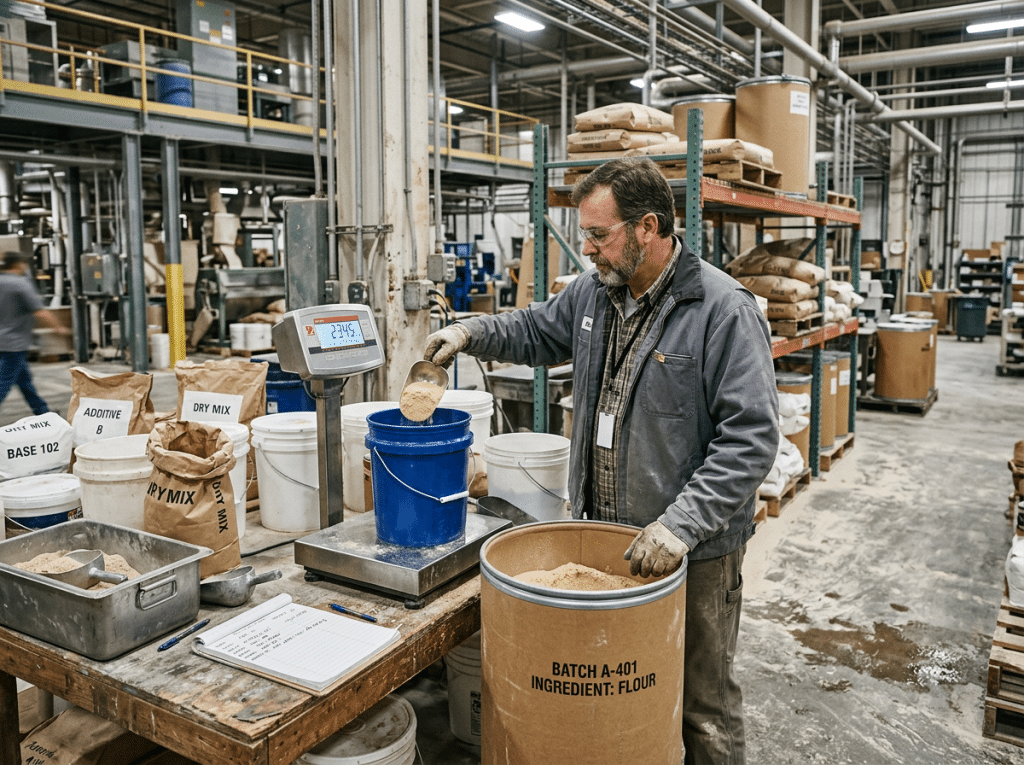
Consider the traditional manual weighing station. Operators might be responsible for meticulously measuring multiple ingredients, often under time pressure. This process is inherently susceptible to errors—a misplaced decimal, an incorrect tare, or simply fatigue can lead to an entire batch being compromised. The consequences extend beyond just wasted raw materials; they include lost production time, increased energy consumption for reprocessing, and potential damage to brand reputation if substandard products reach the market.
These inefficiencies collectively impact plant performance, making it difficult to achieve optimal output and maintain consistent quality. Process automation offers a strategic solution to these challenges, transforming operations from reactive problem-solving to proactive optimization. By automating weighing and batching, facilities can significantly reduce errors, minimize waste, and streamline workflows, ultimately boosting productivity and ensuring a more reliable output.
Evaluating Batching Methodologies: Manual vs. Automated Systems
When considering how to enhance material handling, a critical decision revolves around the batching methodology. The stark contrast between manual and automated systems highlights potential gains in efficiency, consistency, and scalability.
Feature Manual Batching System Automated Batching System Capital Expenditure Low initial investment in equipment Higher initial investment in technology and setup Operational Efficiency Prone to human error, slower throughput, inconsistent High accuracy, faster cycle times, consistent output Consistency Varies greatly with operator skill and fatigue Highly repeatable, precise recipe adherence Scalability Limited by labor availability and physical constraints Easily scales with increased demand, adaptable Labor Dependency High, requires constant operator attention and effort Low, operators oversee and manage, reduced physical strain Material Waste Higher due to errors and spills Significantly lower due to precision and control Data & Traceability Manual logging, prone to gaps and inaccuracies Automatic data capture, comprehensive traceability Workplace Safety Higher risk of injury from manual handling Reduced manual handling, improved safety features From a capital expenditure perspective, manual systems appear less costly upfront. However, this initial saving is often overshadowed by higher long-term operational costs. Automated systems, while requiring a greater initial investment, deliver substantial returns through enhanced operational efficiency. They ensure precise measurements, leading to consistent product quality batch after batch—a level of uniformity that manual methods struggle to achieve. Moreover, automated systems are inherently more scalable, capable of handling increased production volumes without a proportional increase in labor or errors. This adaptability is crucial for businesses aiming for growth and market responsiveness.
Loss-in-Weight vs. Gain-in-Weight Feeding in Process Automation
Within automated batching, two primary feeding methodologies stand out: loss-in-weight and gain-in-weight. Understanding their differences is key to selecting the right system for specific material characteristics and process requirements.
Loss-in-Weight Systems I often recommend loss-in-weight feeders for applications requiring continuous feeding or precise control over material flow. These systems operate by continuously monitoring the weight of a hopper and its contents using highly accurate load cells. As material is discharged, the system calculates the rate of weight loss and adjusts the feeder speed to maintain a constant, pre-set flow rate. This makes them ideal for processes where a consistent stream of material is crucial, such as extrusion or continuous mixing. They excel with a wide range of materials, from powders and granules to flakes, offering exceptional accuracy even at very low feed rates.
Gain-in-Weight Systems Conversely, gain-in-weight systems are typically employed for batch weighing applications. Here, material is fed into a receiving hopper or container that rests on load cells. The system measures the gain in weight as each ingredient is added, stopping the flow precisely when the target weight is reached. This method is often simpler in design and can be more cost-effective for multi-ingredient batching where individual components are added sequentially. While they may not offer the same continuous flow control as loss-in-weight systems, gain-in-weight feeders provide excellent batch accuracy and are well-suited for a broad spectrum of materials in various industries.
The choice between these two often depends on factors like the required accuracy, the nature of the material (e.g., sticky, free-flowing, cohesive), and whether the process demands continuous or batch feeding. Both leverage sophisticated load cell technology to ensure precise measurement, minimizing waste and optimizing ingredient usage.
Mitigating Human Error and Material Waste
One of the most compelling arguments for adopting automated weighing and batching systems is their profound impact on mitigating human error and significantly reducing material waste. In manual operations, even the most diligent operator can make mistakes, leading to off-spec batches that require costly reprocessing or, worse, become unsalable scrap.
Automated systems, however, operate with unwavering precision. They follow pre-programmed recipes exactly, ensuring that every ingredient is dispensed to its exact weight specification. This inherent accuracy drastically reduces the likelihood of batching errors, leading directly to scrap reduction. I’ve seen facilities achieve substantial savings by minimizing waste, which not only improves profitability but also contributes to more sustainable manufacturing practices.
Beyond mere measurement, automated systems enhance quality control through consistent execution. Each batch is produced under identical conditions, leading to a more uniform final product. Integrated recipe management systems ensure that only approved formulas are used, and any changes are meticulously tracked. This level of control provides invaluable traceability, allowing manufacturers to pinpoint the exact source of any deviation, from raw material lot numbers to specific production parameters. This comprehensive data capture is vital for regulatory compliance and for continuous process improvement, ensuring that raw materials are utilized efficiently and product quality remains consistently high.
Integrating Bulk Bag Handling and Packaging Systems
For many industries, bulk bags (also known as Flexible Intermediate Bulk Containers or FIBCs) are the backbone of material storage and transport. Integrating efficient bulk bag handling and packaging systems is therefore crucial for optimizing the entire production chain. The process of bulk bag filling, in particular, presents unique challenges related to material transfer and dust containment. When handled manually, filling bulk bags can be labor-intensive, slow, and prone to spills, creating dusty environments and potential safety hazards.
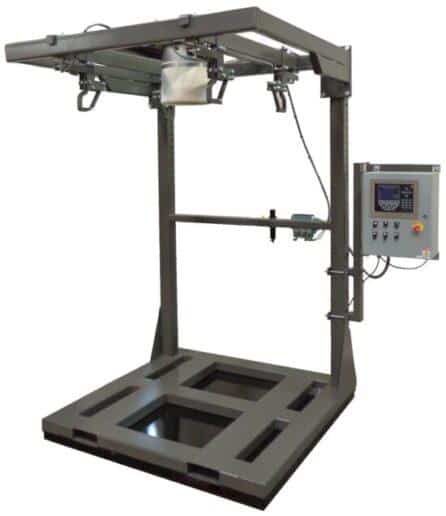
Automated bulk bag filling systems address these challenges head-on. They are designed to efficiently transfer materials from silos or upstream processes into bulk bags, ensuring precise weighing and minimizing product loss. Effective dust containment is a paramount concern, especially when dealing with fine powders, as it protects both personnel and equipment, and prevents cross-contamination. Modern systems incorporate features like inflatable seals and dust collection ports to create a closed filling environment. For operations looking to significantly enhance their material handling capabilities, exploring the nuances of Automated bulk bag filling can provide a competitive edge. These integrated solutions not only speed up the packaging process but also ensure product integrity and a cleaner, safer working environment.
Streamlining Material Flow with Process Automation
The true power of automated bulk bag filling systems is realized when they are seamlessly integrated with other material handling equipment, creating a streamlined, continuous material flow throughout the plant. Process automation plays a pivotal role in orchestrating this intricate dance of materials.
Conveyor integration is a prime example. Once a bulk bag is filled, automated conveyors can transport it to a subsequent station for sealing, labeling, or palletizing, and then onward to storage or shipping. This eliminates manual lifting and transport, reducing labor costs and the risk of injury. Similarly, pneumatic systems can efficiently move materials from storage to the bulk bag filling station, especially over longer distances or when dealing with diverse materials. These systems use air pressure to transport powders, granules, or pellets through pipes, ensuring rapid and contained material delivery.
Effective material routing, guided by sophisticated control systems, ensures that the right material arrives at the right filling station at the optimal time. This intelligent routing minimizes delays, reduces potential for cross-contamination, and optimizes overall cycle times. The ultimate goal is throughput optimization—maximizing the number of bags filled per hour or day, without compromising accuracy or safety. By automating these interconnected processes, facilities can achieve unparalleled levels of efficiency and responsiveness in their material handling operations.
Key Components of High-Capacity Filling Stations
- Weigh Scales: At the heart of any accurate filling system are precision weigh scales, often integrated directly into the filler’s structure. These typically use load cells to measure material weight with high accuracy, often validated to stringent standards like NTEP certification (e.g., +/- 0.05% of target total bag weight). This ensures that each bulk bag contains the exact specified amount of product, minimizing waste and ensuring compliance.
- Inflatable Seals: To ensure dust containment and prevent material loss, inflatable seals are critical. These bladders inflate around the bulk bag’s inlet spout, creating a tight, dust-free connection between the fill head and the bag. This protects operators from airborne particulates and keeps the work environment clean.
- Densification Bases: Many materials, especially powders or granular products, benefit from densification during filling. Densification bases, often equipped with vibrating tables or other compaction mechanisms, settle the material within the bag. This process removes air, stabilizes the bag’s shape, and allows for more product to be packed into each bag, optimizing storage and shipping efficiency. Some systems utilize high-speed, low-intensity vibration (e.g., 3 Gs) to achieve this.
- Loop Hangers: Securely holding the bulk bag in place during the filling process is paramount. Various types of loop hangers (manual, auto-releasing, traversing) are designed to safely suspend the bag from its lifting loops. These systems are engineered to accommodate different bag dimensions and ensure stability, sometimes with powered height adjustment to facilitate easy bag attachment and removal.
- Pallet Dispensers: For high-volume operations, automating the supply of pallets to the filling station is a significant efficiency booster. Pallet dispensers automatically feed empty pallets onto the conveyor system, ready for the filled bulk bags. This streamlines operations, reduces manual labor, and minimizes downtime, contributing to a smoother, more continuous workflow.
These components, when integrated into a cohesive system, enable high-throughput operations (e.g., 30-60 bulk bags per hour) with consistent accuracy and enhanced safety.
System Upgrades: Retrofitting Controls vs. Full Capital Replacement
A common dilemma for manufacturers looking to modernize their operations is whether to retrofit existing control systems or invest in a full capital replacement of equipment. Both approaches have their merits, and the optimal choice often depends on a careful ROI analysis, the condition of legacy systems, and the desired level of technological advancement.
Retrofitting Controls For facilities with sound mechanical equipment but outdated control systems, a controls upgrade can be a highly cost-effective solution. This involves replacing old PLCs, HMIs, and associated software with modern, more powerful, and user-friendly control platforms. The benefits include improved diagnostics, better data logging capabilities, enhanced connectivity for remote monitoring, and often, increased operational flexibility. The key advantage here is minimizing downtime, as the mechanical components remain in place, and the capital expenditure is significantly lower than a full replacement. I’ve seen many companies successfully extend the life and improve the performance of their existing machinery through strategic retrofits. However, it’s crucial to assess the compatibility of new software with older hardware and ensure that the legacy equipment can truly benefit from the upgrade.
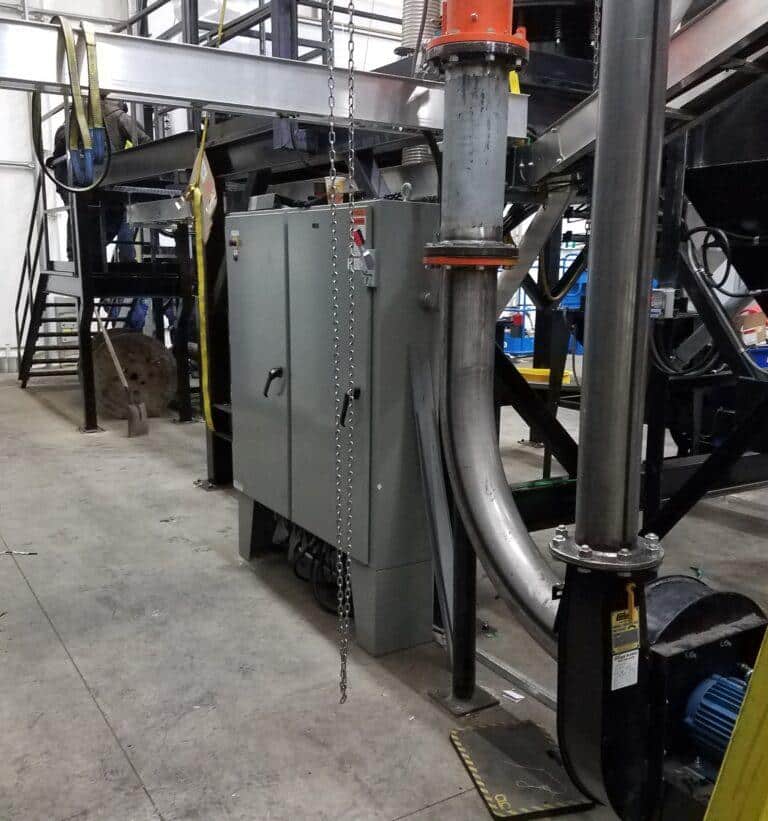
Full Capital Replacement A full capital replacement involves investing in entirely new machinery with integrated, state-of-the-art control systems. This option is often pursued when existing equipment is mechanically worn out, technologically obsolete, or when a significant leap in capacity, accuracy, or automation is required. While the initial investment is higher, a new system typically offers the latest advancements in efficiency, safety, and integration capabilities. This can lead to greater long-term savings through reduced maintenance, higher throughput, and superior product quality. The downside is the larger capital outlay and potentially longer downtime during installation and commissioning.
The decision hinges on a thorough evaluation of the current system’s limitations, the budget available, the desired operational improvements, and the long-term strategic goals of the facility. A detailed ROI analysis comparing the costs and benefits of both options is essential to making an informed choice.
Frequently Asked Questions about Automated Batching
How does automated batching improve overall plant performance?
Automated batching significantly improves overall plant performance by enhancing several key areas. Firstly, it boosts throughput by accelerating cycle times and reducing manual intervention, allowing for more product to be processed in less time. Secondly, it ensures unparalleled consistency in product quality, as each batch adheres precisely to programmed recipes, minimizing variations. Thirdly, labor savings are realized through reduced reliance on manual weighing and handling, freeing personnel for other value-added tasks. Finally, the reduction in human error leads to less material waste and rework, directly impacting the bottom line and improving operational efficiency.
What is the difference between loss-in-weight and gain-in-weight systems?
The primary difference lies in how they measure material. Loss-in-weight systems continuously monitor the weight of a feeder and its contents using load cells, dispensing material at a precise, controlled rate by tracking the loss of weight over time. These are ideal for continuous feeding applications. Gain-in-weight systems, on the other hand, measure the gain in weight in a receiving hopper or container as material is added. They are typically used for batch weighing, where individual ingredients are added sequentially until a target weight is achieved. Both utilize load cells for accuracy, but their feeding mechanisms and application suitability differ based on whether continuous flow or precise batch accuracy is the priority.
Is it better to retrofit existing controls or purchase a completely new system?
This decision depends on several factors, including your capital budget, the condition of your legacy hardware, and the desired operational improvements. Retrofitting existing controls is often more cost-effective and involves less operational downtime, extending the life of mechanically sound equipment while upgrading its intelligence. It’s a good option if your current machinery is still robust but lacks modern control capabilities or software compatibility. Purchasing a completely new system, while requiring a larger capital investment, offers the latest technology, potentially greater efficiency gains, and full integration capabilities, often justified when existing equipment is obsolete or significant capacity expansion is needed. A thorough cost-benefit analysis and assessment of your long-term goals are crucial for this decision.
Conclusion
In conclusion, optimizing production with automated weighing and batching systems is no longer a luxury but a strategic imperative for manufacturers aiming for sustained success in June 2026 and beyond. I’ve highlighted how these systems are instrumental in overcoming common plant inefficiencies, from reducing costly batching errors and material scrap to alleviating labor dependency and eliminating throughput bottlenecks.
By carefully evaluating batching methodologies, understanding the nuances of loss-in-weight versus gain-in-weight feeding, and implementing robust strategies for mitigating human error, companies can achieve remarkable gains in consistency and efficiency. The seamless integration of bulk bag handling and packaging systems, supported by advanced components like precision weigh scales and densification bases, further streamlines material flow and enhances overall productivity.
Whether through strategic retrofitting of legacy controls or a comprehensive capital replacement, the investment in process automation yields a significant automation ROI. It’s about future-proofing your operations, securing a competitive advantage, and ensuring that your facility operates at its peak performance, consistently delivering high-quality products while maximizing profitability.