

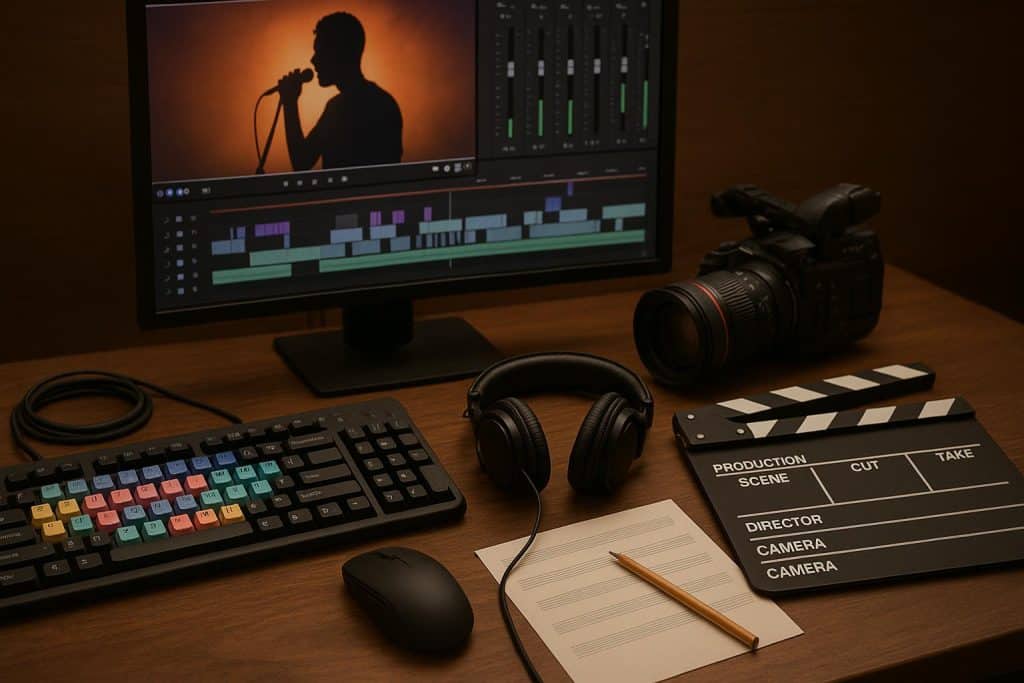
The way music videos are made is changing quickly. For a long time, creating a music video required a complete production process: concept planning, filming, editing, motion graphics, lyric timing, color grading, and multiple rounds of revision. That process still matters for major productions, but many independent creators, small brands, musicians, and social media teams now need something faster.
They are not always trying to create a studio-level music video. Often, they need a short visual clip for a new song, a lyric-driven social post, a product campaign, a mood-based visualizer, or a quick promotional video for TikTok, YouTube Shorts, Instagram Reels, or a landing page. This is where AI music video tools are becoming genuinely useful.
Instead of treating video production as a separate stage after the music is finished, AI tools are helping creators turn sound, lyrics, images, and visual ideas into shareable video content much earlier in the creative process.
Why Creators Need Faster Music Video Workflows
The modern content cycle is unforgiving. A musician may release snippets before a full track drops. A creator may need multiple video versions for different platforms. A brand may want campaign visuals that match the tone of a song, but without spending weeks on production.
Traditional editing tools are powerful, but they still require time, experience, and creative direction. Even simple music videos often involve several separate tasks:
- Choosing a visual concept
- Matching scenes to the mood of the audio
- Creating captions or lyrics
- Adjusting timing for short-form platforms
- Exporting different formats
- Testing which version performs best
For small teams, this can quickly become too much work. AI music video generation does not remove creativity from the process. Instead, it reduces the production friction that often stops ideas from becoming finished content.
From Static Audio to Visual Storytelling
Music is already emotional, but online audiences often need a visual reason to stop scrolling. A strong music video does not always need a complex story. Sometimes it only needs a consistent atmosphere, a visual rhythm, or a simple progression that supports the sound.
This is where platforms like VibeMe AI fit into the changing creator workflow. Rather than forcing users to start with a blank editing timeline, VibeMe AI gives creators a more direct path from idea to visual output. A creator can begin with a song, a mood, an image, or a simple concept, then use AI to help shape that into a video experience.
For independent artists, this can be especially valuable. Many artists have strong musical ideas but limited video production resources. AI tools make it easier to test visual directions before committing to a larger campaign. A song can be turned into multiple visual styles, helping the artist understand what best matches the track’s identity.
Why AI Music Video Workflows Are Becoming Practical
The early generation of AI video tools was often experimental. Results could be impressive, but inconsistent. Today, the real value is not only in generating a beautiful clip. It is in creating a practical workflow that helps people produce content regularly.
A useful AI video workflow should help with several things.
1. Speed
Creators often need video content while a trend is still active. Waiting weeks for a full production may not make sense for every release. AI tools can help generate early versions quickly, giving creators more time to test and refine.
2. Creative Iteration
Sometimes the first idea is not the best one. AI makes it easier to explore several directions before choosing a final style. A creator might test cinematic, animated, lyric-based, portrait-based, abstract, or performance-inspired visuals without starting from scratch each time.
3. Accessibility
Not every musician knows how to use advanced video editing software. Not every small business has an in-house creative team. A good AI workflow lowers the barrier so that more people can produce visual content without needing professional editing experience.
4. Platform Flexibility
A music video is no longer only a horizontal YouTube upload. Creators need vertical clips, teasers, lyric sections, loopable visuals, and promotional edits. AI tools can support this shift by helping generate content that fits modern publishing habits.
Turning Images Into Music-Driven Content
One of the most interesting changes in AI video creation is the way still images can become part of the performance. Instead of starting with filmed footage, creators can begin with a portrait, character image, album visual, or brand asset.
For example, a singing photo tool can help turn a still image into a more expressive music-driven asset. This is useful for creators who want short promotional clips, character-based music content, lyric-style visuals, or social posts built around a song without filming a full performance.
This kind of workflow is especially practical for independent creators. A musician can use a press photo, cover image, or digital character as the visual starting point. A brand can use a mascot or campaign image. A content creator can use a portrait or avatar. The result is not just a static graphic, but something that feels more alive and easier to share.
The Role of AI in Music Marketing
For musicians and brands, music videos are no longer just artistic assets. They are marketing assets. A strong visual can increase watch time, improve click-through rates, and make a song or campaign easier to remember.
The best use of AI video tools is not simply to make one video. The better use case is to create a repeatable visual workflow around music. A creator can use AI to make release teasers, chorus clips, lyric previews, visualizers, campaign videos, or social-first edits.
For example, an independent artist might create:
- A 15-second teaser before release day
- A lyric clip for the chorus
- A vertical music video for short-form platforms
- A visualizer for YouTube
- A character-based singing clip
- A campaign clip for paid ads
A small brand might use music-driven visuals for product launches, event promotions, or seasonal campaigns. In both cases, the value comes from turning audio, lyrics, and images into flexible video content without rebuilding the process every time.
AI Does Not Replace Direction
One common mistake is assuming that AI tools remove the need for creative judgment. They do not. The strongest results still come from clear direction: the mood of the song, the intended audience, the visual references, the platform, and the emotional goal.
AI can accelerate production, but the creator still decides what feels right. A sad acoustic track should not be treated the same way as an energetic dance single. A brand campaign needs different pacing than a personal music visualizer. A portrait-based singing clip needs a different visual approach from an abstract audio-reactive video.
The technology is most useful when it supports a clear creative intention.
This is why creators should treat AI music video tools as collaborators, not automatic replacements for taste. The tool can generate options, but the final choice still belongs to the person who understands the message.
What to Look for in an AI Music Video Workflow
As more AI video platforms appear, creators should look beyond flashy demos. The most useful tools are the ones that fit into real publishing workflows.
Important factors include:
- Easy input from music, lyrics, images, or creative prompts
- Visual styles that match different genres and moods
- Fast generation for testing ideas
- Output suitable for social platforms
- Simple editing or regeneration options
- Support for both full video concepts and smaller social clips
- A workflow that does not require advanced technical skills
For many users, the best tool is not the most complicated one. It is the one that helps them create consistently.
The Future of Music Video Creation
AI music video tools are still evolving, but the direction is clear. Music and visual content are becoming more connected. Creators no longer need to think of a song and a video as two completely separate projects. Instead, the visual identity of a track can be developed alongside the music itself.
This does not mean traditional music video production will disappear. High-end directors, cinematographers, editors, and animators will continue to play an important role. But AI will give more creators access to visual storytelling, especially when speed, budget, and experimentation matter.
The most exciting part is not that AI can create videos. It is that it allows more people to express ideas visually, test creative directions, and publish more often. For musicians, marketers, and digital creators, that shift can make visual content feel less like a production bottleneck and more like a natural part of the creative process.