

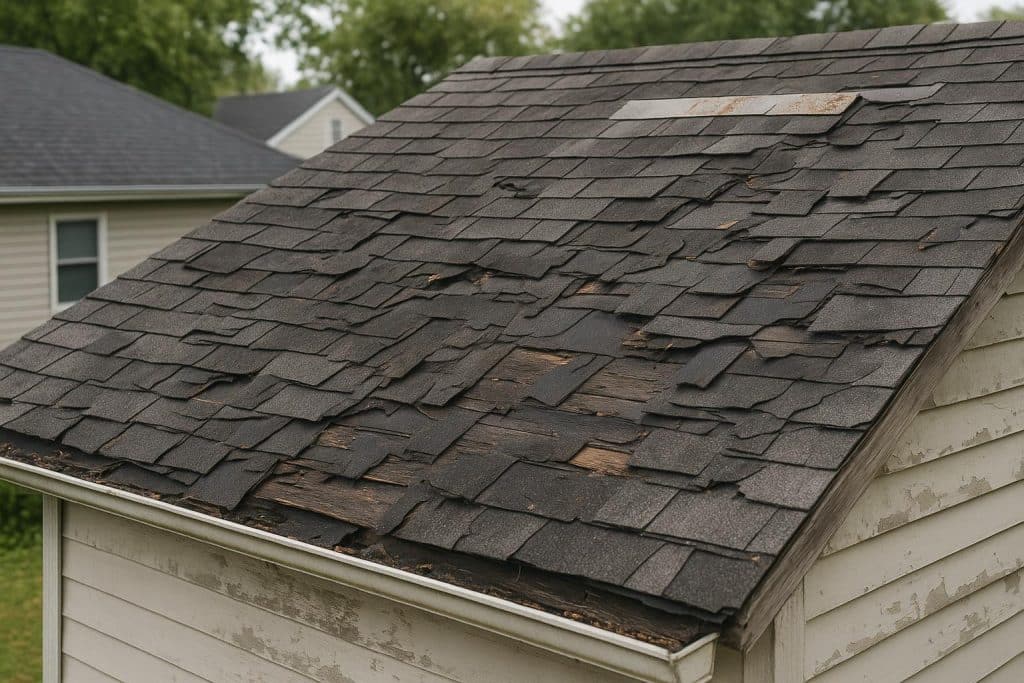
Your roof protects your home every single day. It keeps your family safe from rain, wind, snow, and strong sunlight. However, every roof gets older over time. Small issues can quickly become bigger if you ignore them. Common Roofing Problems often start quietly, but they can turn into costly repairs later. Learning about these warning signs helps you make smart decisions before serious damage happens.
Common Roofing Problems can affect any home, no matter how old it is. Common Roofing Problems may appear after storms, heavy rain, or years of normal wear. When you understand Common Roofing Problems, you can protect your investment. Many homeowners wait too long before taking action, but Common Roofing Problems should never be ignored. A careful inspection helps you spot Common Roofing Problems early. If you notice Common Roofing Problems, it may be time for a major roof upgrade instead of another temporary repair.
Why Your Roof Deserves Regular Attention
A roof works hard every day. It faces changing weather, falling branches, heat, cold, and strong winds. As the years pass, roofing materials slowly wear out.
Regular inspections help you:
- Find problems early.
- Avoid expensive emergency repairs.
- Keep your family safe.
- Improve your home’s value.
- Extend the life of your roofing system.
Because of this, checking your roof once or twice each year is a smart habit.
1. Roof Leaks Keep Coming Back
One of the biggest warning signs is roof leaks.
A small leak may not seem serious. However, water always finds a way to spread. Even a tiny opening allows moisture to enter your home.
Common signs include:
- Water stains on ceilings
- Wet attic insulation
- Mold growth
- Damp walls
- Dripping water during rain
Sometimes homeowners repair the same leak again and again. Unfortunately, repeated leaks usually mean the entire roofing system is wearing out.
Instead of paying for constant repairs, upgrading your roof may save money in the long run.
2. Missing Shingles Leave Your Roof Exposed
Missing shingles are another major warning sign.
Shingles protect the layers underneath. Once they fall off, rain and wind reach the roof deck much more easily.
You may notice:
- Bare spots
- Loose roofing pieces in your yard
- Uneven roof sections
- Curled or cracked shingles
Although replacing a few shingles works sometimes, large areas of damage often suggest your roof has reached the end of its life.
Therefore, a complete upgrade becomes the safer choice.
3. Storm Damage Weakens the Entire Roof
Strong storms can seriously damage roofing materials.
Heavy rain, hail, strong winds, and falling tree branches all reduce your roof’s strength.
After severe weather, check for:
- Broken shingles
- Lifted roofing materials
- Dents from hail
- Damaged flashing
- Tree limb impact
Even if damage looks small, hidden problems may exist underneath.
Because of this, always schedule a professional inspection after major storms.
4. Roof Deterioration Happens Naturally
Every roof experiences roof deterioration over time.
Sunlight, changing temperatures, and moisture slowly break down roofing materials.
Signs include:
- Fading colors
- Worn surfaces
- Crumbling shingles
- Soft roof sections
- Loose materials
These warning signs show your roof is no longer protecting your home as well as it should.
Rather than repairing many small issues, replacing the roof often becomes the better investment.
5. Your Roof Is Getting Old
Every roofing material has an expected lifespan.
For example:
- Asphalt shingles often last 20–30 years.
- Metal roofs can last 40–70 years.
- Tile roofs may last even longer with proper care.
If your roof is reaching its expected age, even small problems deserve attention.
Older roofs become weaker every year.
As a result, repairs become less effective.
6. Your Energy Bills Keep Rising
A damaged roof affects your home’s energy efficiency.
When roofing materials wear out, they allow heat to enter during summer and escape during winter.
This forces your heating and cooling system to work harder.
You may notice:
- Higher electric bills
- Uneven indoor temperatures
- Hot upstairs rooms
- Cold drafts
A modern roofing system with better insulation helps lower energy costs.
7. Mold and Moisture Are Growing
Moisture creates the perfect environment for mold.
If water enters through damaged roofing materials, mold may grow inside:
- The attic
- Ceiling spaces
- Walls
- Wooden beams
Besides damaging your home, mold can affect indoor air quality.
Therefore, solving the roofing problem quickly protects both your house and your family.
8. Sagging Areas Mean Structural Trouble
A sagging roof should never be ignored.
It usually means moisture has weakened the roof structure.
Possible causes include:
- Rotten wood
- Long-term water damage
- Heavy snow loads
- Poor ventilation
A sagging roof may eventually collapse if left untreated.
Because of this, homeowners should contact a roofing professional immediately.
Repair or Major Roof Upgrade?
Many homeowners wonder whether they should repair or replace their roof.
Repairs work well when:
- Damage is small.
- The roof is fairly new.
- Only one area needs attention.
However, replacement becomes the smarter choice when:
- Repairs happen often.
- The roof is very old.
- Multiple leaks appear.
- Storm damage affects large sections.
- Roofing materials continue failing.
Although replacement costs more at first, it often saves money over many years.
Benefits of a New Roofing System
A roof upgrade offers many advantages.
These include:
- Better weather protection
- Improved energy efficiency
- Higher property value
- Stronger curb appeal
- Fewer repair bills
- Longer-lasting materials
- Greater peace of mind
In addition, modern roofing products perform much better than older materials.
Simple Ways to Make Your Roof Last Longer
You can help your roof stay in good condition by following these simple tips:
- Inspect it every spring and fall.
- Clean gutters regularly.
- Remove tree branches hanging over the roof.
- Fix small problems quickly.
- Schedule professional inspections.
- Keep attic ventilation working properly.
- Replace damaged shingles immediately.
These simple habits help prevent expensive damage later.
Final Thoughts
Ignoring roofing issues rarely saves money. Small problems usually become much larger over time. Roof leaks, missing shingles, storm damage, and roof deterioration all signal that your roofing system may no longer provide the protection your home needs.
Instead of waiting for major structural damage, pay attention to these warning signs early. A timely roof upgrade improves safety, increases energy efficiency, reduces future repair costs, and protects your investment for many years.
If you notice several of these signs, now is the right time to schedule a professional inspection. Taking action today can help you avoid much bigger expenses tomorrow.