

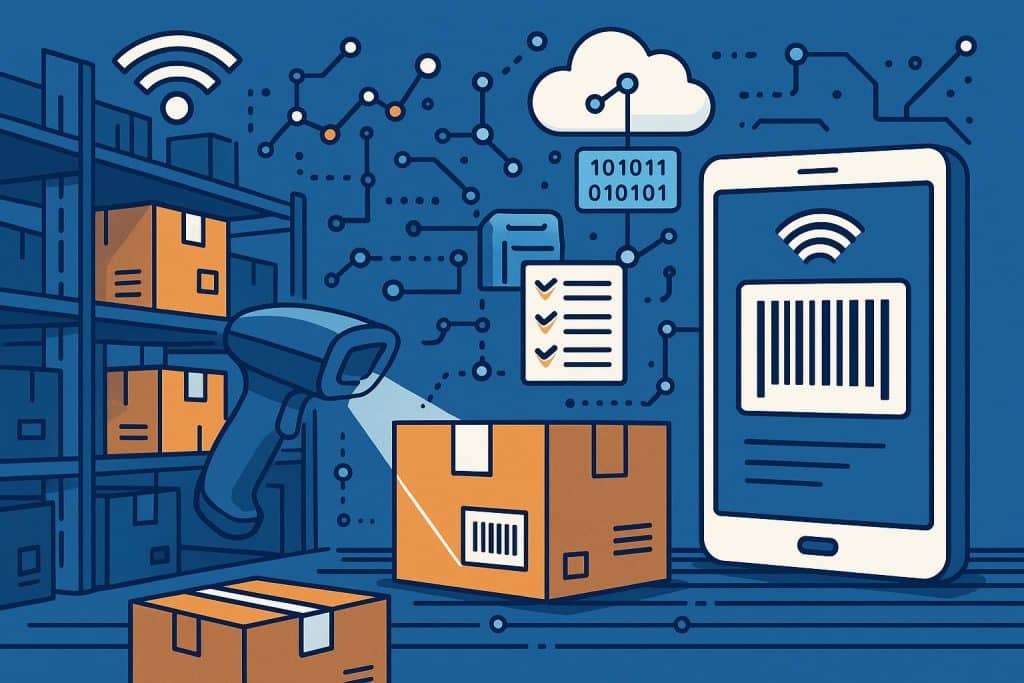
Key Takeaways
- AI is driving smarter demand forecasting and inventory control.
- Robotics and autonomous systems are optimizing warehousing operations.
- Cloud solutions offer scalable, real-time insights for inventory tracking.
- Data analytics empowers proactive, informed business decisions.
In today's fast-paced market, efficient inventory management has never been more critical. Businesses striving to meet customer demands and control costs are increasingly turning to innovative digital solutions. With advancements in artificial intelligence, automation, cloud platforms, and analytics, the landscape of inventory tracking and optimization is being reshaped. From manufacturing to retail, companies are relying on sophisticated tools like cloud-based inventory management software to streamline operations, enhance visibility, and stay competitive in a demanding environment.
Technological innovation in inventory management means companies can adapt more quickly to changes and address issues before they become costly problems. These new tools not only improve efficiency but also enhance the ability to make data-driven decisions, capitalize on trends, and prevent the over- or under-stocking that damages profitability.
The Role of Artificial Intelligence in Inventory Management
Artificial intelligence (AI) is revolutionizing inventory management by enabling retailers and manufacturers to implement AI-driven forecasting models. This enables efficient stock-level management and swift responses to changing demand. By analyzing customer behavior and external factors, AI helps avoid costly overstocks and shortages, as seen in major brands like Target and Walmart. Recent advancements in machine learning facilitate more detailed inventory segmentation, permitting targeted strategies across product lines and regions. AI-powered systems also automate purchase order triggers based on demand fluctuations, thereby reducing manual tasks for supply chain managers. The future promises enhanced predictive capabilities through the integration of diverse data sources, positioning inventory systems to proactively manage disruptions and optimize financial outcomes.
Autonomous Systems and Robotics in Warehousing
The rise of e-commerce and heightened consumer expectations have driven the demand for warehouse automation. Essential tools such as self-guided robots, smart conveyors, and autonomous vehicles leverage real-time data and AI algorithms to enhance picking, packing, and inventory management, reducing errors and reliance on labor. Advanced robotics integrates with inventory systems for precise tracking and can autonomously manage stock levels, thereby allowing human staff to focus on optimization tasks. This blending of automation and data analytics fosters safer, more productive, and resilient warehouse operations, even during peak demand or supply chain challenges.
Cloud-Based Solutions for Real-Time Inventory Visibility
Cloud-based inventory platforms have become a staple for organizations that need anywhere, anytime access to real-time inventory data. These systems, integrated with powerful predictive analytics tools and demand forecasting modules, offer agility, scalability, and collaboration across entire organizations. Businesses implementing cloud-based ERP solutions report improved cash flow, more accurate reorder points, and greater resilience in the face of supply chain disruptions. Cloud-based software enables seamless integration with suppliers and distributors, ensuring that all stakeholders work from the same, up-to-date information and ultimately leading to smarter procurement and sales strategies.
Moreover, adopting cloud technology enables faster onboarding of new teams and easier integration with third-party logistics providers, regardless of physical location. Features such as role-based access, mobile apps, and API-driven architecture provide robust flexibility for businesses growing domestically and internationally. Enhanced disaster recovery solutions offered by leading cloud vendors give businesses peace of mind, protecting vital inventory data from potential loss due to unforeseen events such as cyberattacks or natural disasters. The easily customizable nature of most cloud solutions also means organizations can tailor the platform’s dashboards, reports, and alerts to fit their industry, size, and growth trajectory, making these tools accessible even for small and midsized enterprises seeking enterprise-level capability.
Data Analytics for Informed Decision-Making
Data analytics is essential for effective inventory management, enabling companies to analyze historical and real-time sales, supplier, and logistics data to improve forecasting and purchasing strategies. This analytical approach helps minimize waste, avoid obsolete stock, and optimize promotions based on trends. By fostering data-driven decision-making, businesses can mitigate risks and adapt quickly to market changes, enhancing profitability and customer satisfaction.
Advanced analytics additionally identify inefficiencies and root causes of inventory problems, such as shrinkage and supply chain bottlenecks, leading to operational improvements. Predictive models help allocate stock across distribution centers, aligning supply with regional demand to reduce transit times. Comprehensive visualizations and reporting empower executives and teams to work collaboratively within a data-centric culture. As IoT technology advances, sensors attached to pallets and containers are expected to further enhance data collection, promoting ongoing innovation in inventory management.
Challenges and Considerations
Adopting technology for inventory management presents challenges, primarily around data security and integration with legacy systems, which require investments in employee training. Effective digital transformation requires alignment with business objectives, strategic rollout, and robust security measures. Organizations must also address regulatory compliance, particularly in industries with mandated traceability requirements. Collaborating with technology partners, performing risk assessments, and ensuring communication between IT and leadership are crucial for successful implementation. Companies should also plan for ongoing support and updates to maximize their investment and adapt to technological advancements.
Conclusion
Inventory management is undergoing a significant transformation powered by technology. Artificial intelligence streamlines forecasting and inventory control, robotics brings efficiency and precision to warehousing, cloud solutions provide unmatched visibility, and advanced analytics drive strategic decisions. As businesses adapt to increasingly complex markets, those that leverage these technological advancements are positioned to reduce costs, exceed customer expectations, and gain a sustainable competitive advantage.