

Categorizing Modern Industrial Equipment for High-Capacity Operations
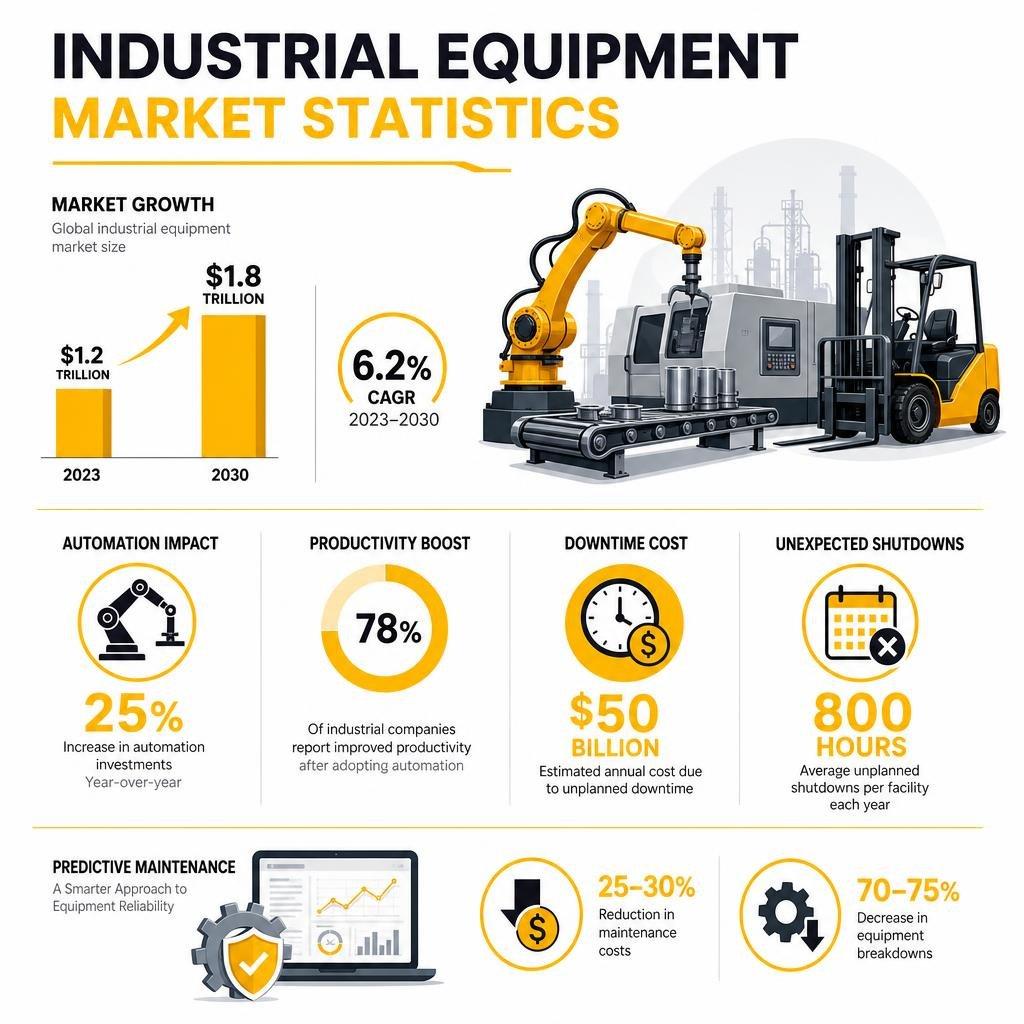
The backbone of modern industry is its equipment. From manufacturing plants to processing facilities, these machines drive progress and shape our world. The global industrial equipment market is currently experiencing significant growth. Valued at approximately $1.2 trillion in 2023, experts project it will reach $1.8 trillion by 2030, growing at a steady 6.2% annually.
This expansion highlights the continuous demand for efficient and reliable machinery. Companies today face intense pressure to boost productivity while simultaneously cutting costs. Advanced industrial equipment, especially with modern features, plays a critical role in meeting these demands.
Automation, for instance, is transforming manufacturing. Investments in automation have increased by 25% year-over-year. A significant 78% of industrial companies report improved productivity after adopting automated solutions.
However, challenges remain. Unplanned downtime is a major concern, costing manufacturers an estimated $50 billion annually in lost productivity. The average industrial facility experiences about 800 hours of unexpected shutdowns each year. This underscores the vital need for robust equipment and smart maintenance strategies. Predictive maintenance offers a powerful solution, leading to a 25-30% reduction in maintenance costs and a 70-75% decrease in equipment breakdowns.
In this extensive guide, we will explore the multifaceted world of industrial equipment. We will delve into its main categories and specialized types, such as twin-screw extruders and heavy-duty robots. We will cover the key performance metrics buyers should evaluate, the benefits of modular systems, and the impact of cutting-edge technologies like AI-driven controls. Our aim is to provide a comprehensive understanding to help businesses drive efficiency, optimize operations, and achieve lasting success.
Industrial equipment encompasses a vast array of machinery essential for manufacturing, processing, and heavy industries. These categories often overlap, but generally, we can distinguish between equipment used for material transformation (processing), material movement (handling), and structural support or assembly (heavy machinery). Understanding these distinctions is crucial for selecting the right tools for specific operational needs.
Category Primary Function Typical Examples Key Industries Processing Transforming raw materials into finished products Extruders, Mills, Grinders, Mixers, Separators Chemical, Food, Pharmaceutical, Plastics Manufacturing Assembling, shaping, or fabricating components CNC Machines, Welding Robots, Presses, Assembly Lines Automotive, Aerospace, Electronics, Metalwork Material Handling Moving, storing, protecting, and controlling goods Conveyors, Forklifts, Cranes, Hoists, Automated Guided Vehicles (AGVs) Logistics, Warehousing, Construction, Mining Heavy Construction Large-scale civil engineering and infrastructure Excavators, Bulldozers, Loaders, Drills, Pavers Construction, Mining, Infrastructure Power Generation Producing electricity or mechanical energy Turbines, Generators, Boilers, Compressors Energy, Utilities Specialized Processing and Milling Industrial Equipment
Within the realm of processing, several specialized machines stand out for their precision and capacity. Twin-screw extruders, for example, are critical in plastics, food, and pharmaceutical industries for mixing, compounding, and reacting materials. Their intermeshing screws provide excellent mixing efficiency and control over shear and temperature profiles. The ZSK twin screw extruders are a prime example, renowned for their high throughput and product quality in complex compounding tasks. They are engineered to handle a wide range of materials, from high-viscosity polymers to delicate food products, ensuring consistent output and process reliability.
Long-gap mills, often referred to as Rotormills, excel in pulverizing and milling applications where fine particle size reduction is required without screens. These mills use a unique design that creates a long annular gap between the inlet and discharge, promoting particle-to-particle collisions for efficient grinding. This method allows for the simultaneous de-agglomeration, surface coating, and mixing of materials, making them highly versatile. For instance, the Long Gap Mill for Pulverizing and Milling | Rotormill showcases how this technology can handle diverse materials, even heat-sensitive ones, by using continuous airflow to absorb internal heat.
Industrial grinders, such as the DK27 Industrial grinder | Mahlkönig USA, are essential for achieving precise particle sizes in various industries, from coffee to chemicals. These machines are built for continuous, heavy-duty operation, often featuring wear-resistant burrs and powerful motors. The selection of burr material, such as special steel, cast steel, or tungsten carbide, directly impacts the grinder’s lifespan and suitability for different materials, highlighting the importance of material science in equipment design.
Heavy-Duty Material Handling and Lifting Industrial Equipment
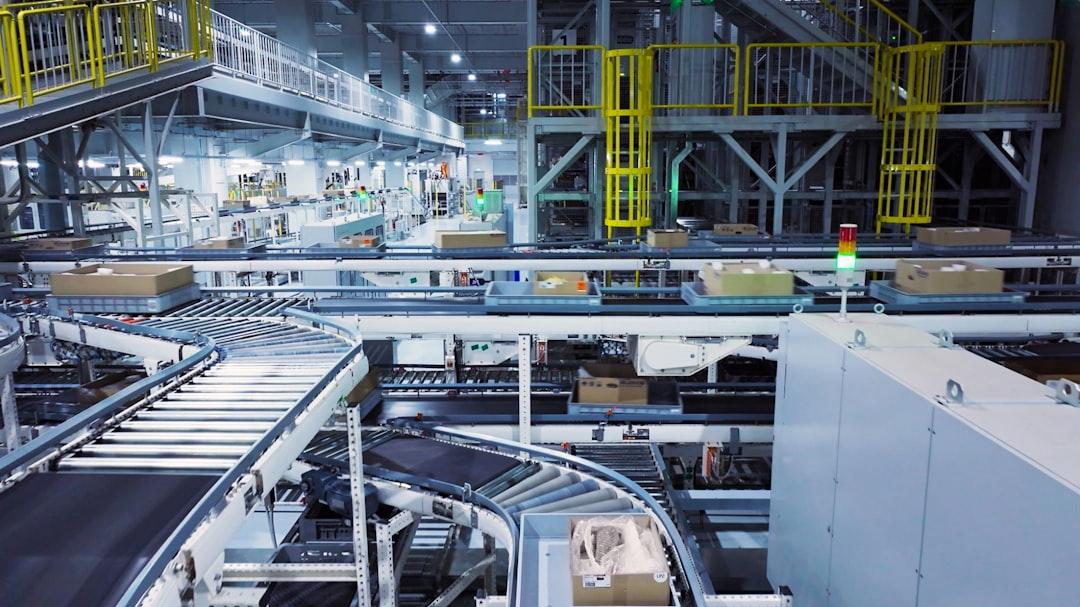
Efficient material handling is the circulatory system of any industrial operation. Vibratory conveyors are a cornerstone of this system, especially for bulk materials. They use controlled vibrations to move granular or powdered products horizontally or at slight inclines, offering gentle handling and precise feeding. The Vibratory Conveyor | Industrial Process Machinery | Cyrus Equipment demonstrates the versatility of these systems, which are custom-engineered with modular components to suit specific industry needs, from foundry and metallurgy to recycling and food processing. Their ability to operate in harsh environments and handle diverse material types makes them indispensable.
Heavy-duty industrial robots have revolutionized manufacturing by taking on repetitive, hazardous, or extremely heavy tasks. Robots like the The KR TITAN ultra lifts heavy loads of up to 1500 kg | KUKA Global exemplify the cutting edge of robotic capabilities, offering immense payload capacities and extended reach. These robust machines are crucial in industries such as automotive, aerospace, and battery manufacturing, where precision handling of large components is a daily requirement. Their modular design often allows for easier maintenance and integration into existing production lines.
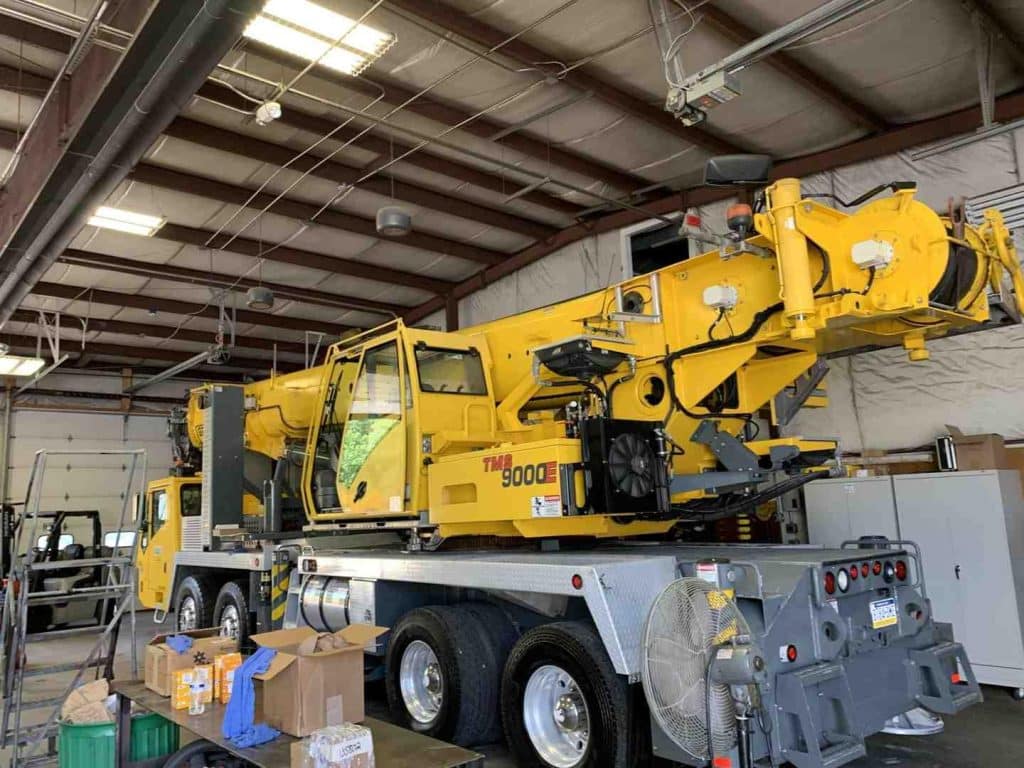
Beyond fixed robotics, the need for large-scale movement and positioning of massive components often falls to specialized crane systems. From overhead bridge cranes in factories to mobile cranes on construction sites, these machines are fundamental to Industrial Heavy Lifting. Selecting the right crane involves detailed planning, considering load capacity, reach, and site conditions. For tasks requiring unique capabilities, such as intricate placements or extremely heavy loads, businesses often turn to Specialized Lifting Equipment that can be tailored to the exact demands of a project.
Key Performance Metrics and Customization Strategies
When investing in industrial equipment, buyers must look beyond initial cost and consider a range of key performance metrics that directly impact long-term operational efficiency and profitability. These metrics are crucial for making informed decisions and ensuring the equipment aligns with production goals.
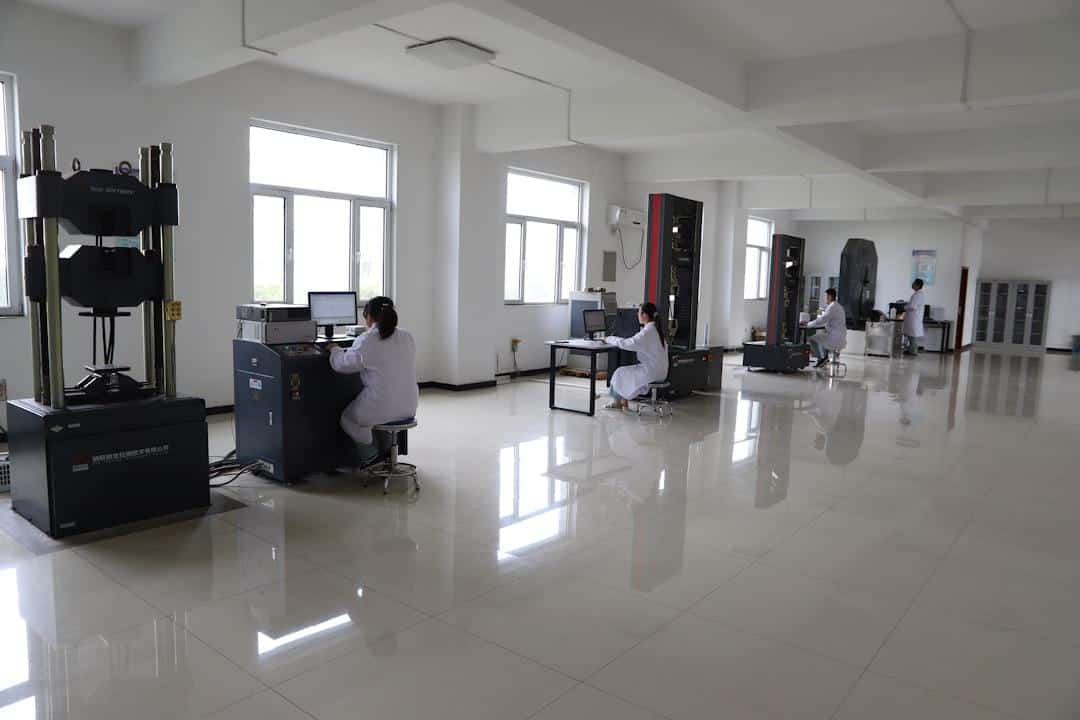
Throughput is perhaps the most fundamental metric, measuring the volume of material processed or product produced per unit of time. High throughput directly translates to increased production capacity. Torque, especially in machinery like extruders or mixers, indicates the rotational force available, which is vital for processing viscous or dense materials efficiently. Insufficient torque can lead to bottlenecks and equipment strain.
Energy efficiency has become increasingly important, not only for reducing operational costs but also for meeting sustainability targets. Equipment with advanced motor controls, regenerative drives, or optimized mechanical designs can significantly lower energy consumption. Wear resistance is critical for machines operating with abrasive materials or in harsh environments. Components made from specialized alloys or treated with wear-resistant coatings can drastically extend equipment lifespan, reducing maintenance frequency and costs. Reputable manufacturers, such as those providing specialized processing equipment like Buflovak industrial equipment, often emphasize these metrics in their product designs to ensure durability and performance.
Evaluating Custom vs. Off-the-Shelf Systems
The choice between off-the-shelf solutions and modular, customizable, or turnkey industrial equipment systems is a strategic one. Off-the-shelf equipment offers immediate availability and lower upfront costs, suitable for standard applications. However, for specialized processes or unique production environments, these solutions may fall short.
Modular systems provide flexibility, allowing businesses to configure equipment with specific components or expand capabilities as needs evolve. This approach can lead to better integration with existing infrastructure and more efficient use of space. Customizable solutions, like those offered by Custom Industrial Food Processing Equipment | Kohler Industries, are designed from the ground up to meet precise operational requirements. This often involves in-house design, engineering, and fabrication, ensuring the equipment perfectly matches the product and process, maximizing yields and reducing waste.
Turnkey systems offer a complete package, from design and manufacturing to installation and commissioning. While typically having a higher initial investment, they provide a single point of responsibility and expedited deployment, minimizing project management overhead for the buyer. The primary benefits of these tailored approaches include optimized performance, reduced operational inefficiencies, and a lower total cost of ownership over the equipment’s lifespan.
Scaling Up from Pilot to Full Production
A critical challenge for many industries is reliably scaling up production from laboratory or pilot-scale equipment to full commercial systems. What works perfectly in a small batch might not translate directly to large-scale operations due to differences in heat transfer, mixing dynamics, or material flow.
Successful scale-up requires meticulous planning and a deep understanding of process engineering. Key considerations include maintaining critical process parameters, such as shear rates, temperature profiles, and residence times, across different scales. For instance, in extrusion, maintaining a constant diameter ratio (Do/Di) across different machine sizes can ensure predictable process behavior and product quality from lab to production. This consistency in design principles allows for more reliable extrapolation of results.
Extensive pilot testing is essential to identify potential bottlenecks and optimize process parameters before committing to full-scale investment. Working closely with equipment manufacturers who offer comprehensive scale-up support and possess extensive process knowledge is invaluable. They can provide insights into how equipment design, such as modular barrel configurations in extruders, can facilitate a smoother transition and ensure process reliability at every stage.
Industry-Specific Applications and Heavy Lifting Logistics
Different industries have unique demands for industrial equipment, often requiring custom or high-capacity machinery to handle specialized materials or large production volumes.
Food processing relies heavily on custom equipment for hygiene, specific product handling (e.g., delicate ingredients, viscous liquids), and high-volume production. Machines like industrial blenders, specialized ovens, and blast chillers must meet stringent sanitary standards and often require custom configurations to optimize product quality and safety.
The chemical industry demands robust, corrosion-resistant equipment capable of handling hazardous materials and extreme temperatures and pressures. Reactors, distillation columns, and specialized pumps are often custom-built to ensure process integrity and safety.
Recycling facilities require heavy-duty shredders, sorting systems, and compactors designed to process diverse waste streams efficiently. The ability to handle large, often contaminated, volumes necessitates durable and high-capacity machinery.
In foundries, equipment must withstand extreme heat and abrasive materials. Furnaces, molding machines, and robotic pouring systems are engineered for high-temperature environments and continuous operation.
The power and energy sector utilizes massive turbines, generators, and specialized lifting equipment for installation and maintenance. For example, the precise placement of components during the construction or maintenance of vital infrastructure, such as Industrial crane rental for cell towers, showcases the critical role of specialized heavy lifting in this sector. These projects often involve navigating challenging terrains and tight schedules, making reliable and powerful equipment indispensable.
Managing Heavy Machinery Relocation and Storage
The lifecycle of industrial equipment often includes periods of relocation and storage, which present their own set of logistical challenges. Moving large-scale machinery, whether within a facility or across long distances, requires expert planning and execution. Equipment Relocation Services specialize in dismantling, transporting, and reassembling complex machinery, ensuring minimal disruption to operations. This involves detailed assessments, specialized transport vehicles, and skilled personnel.
Similarly, Machinery Moving Services are crucial for handling the intricate logistics of transporting heavy and oversized components. This often includes securing permits, coordinating routes, and employing specialized rigging techniques to safely maneuver equipment. Proper rigging is paramount to prevent damage to the machinery and ensure the safety of personnel.
For periods when equipment is not in use, secure and appropriate storage is essential. Industrial Storage Solutions Ultimate Guide provides comprehensive insights into various options, from climate-controlled warehouses for sensitive electronics to outdoor facilities for robust construction equipment. Effective storage protects assets from environmental damage, theft, and deterioration, preserving their value and readiness for future deployment.
Sourcing and Rental Strategies for Heavy Projects
For many businesses, outright purchasing every piece of industrial equipment isn’t always the most economical or practical solution, especially for short-term projects or when specialized machinery is needed infrequently. This is where strategic sourcing and rental options come into play.
Renting industrial equipment offers significant advantages, including reduced capital expenditure, access to the latest technology, and flexibility to scale operations up or down as needed. Companies can leverage Industrial Crane Rental Guide 2025 to understand the nuances of crane rental, from selecting the right capacity to ensuring compliance with safety standards. This approach is particularly beneficial for construction, infrastructure, and specialized heavy lifting projects.
Buyers can source specialized industrial equipment from a variety of channels, each with its own advantages. Established manufacturers often provide direct sales, comprehensive support, and customization options. Distributors, like those listed in Heavy Equipment for Rent and Purchase | Pittsburgh PA, act as intermediaries, offering a wider range of products from multiple brands, often with local service and parts availability. Factors differentiating manufacturers and distributors include their technical expertise, after-sales service, warranty offerings, and the ability to provide integrated solutions or hard-to-find components. Used equipment markets and online platforms also offer alternatives, though they require careful vetting of equipment condition and seller reputation.
Frequently Asked Questions about Industrial Machinery
Modern industrial machinery is evolving rapidly, driven by advancements in automation, artificial intelligence, and data analytics. These innovations are not just improving productivity but also redefining maintenance practices and operational safety.
What are the primary benefits of modular industrial machinery?
Modular industrial machinery offers several compelling advantages over traditional fixed systems. Firstly, flexibility is significantly enhanced. Modules can be easily reconfigured, added, or removed to adapt to changing production needs, product lines, or facility layouts without requiring a complete overhaul. This makes operations more agile and responsive to market demands. Secondly, scalability is a major benefit. Companies can start with a smaller setup and gradually expand capacity by adding more modules, allowing for controlled growth and investment. Thirdly, maintenance and repairs are often simplified. Individual modules can be serviced or replaced independently, reducing downtime and making troubleshooting more straightforward. This modularity also often translates to easier upgrades and technology integration over time.
How does predictive maintenance reduce total cost of ownership?
Predictive maintenance (PdM) leverages data analytics, sensors, and machine learning to monitor equipment condition in real-time and predict potential failures before they occur. This proactive approach dramatically reduces the total cost of ownership (TCO) in several ways. Firstly, it leads to significant cost savings by minimizing unscheduled downtime, which, as noted earlier, can cost manufacturers billions annually. Instead of reactive repairs or time-based preventive maintenance, PdM ensures maintenance is performed only when truly needed. Secondly, it prevents catastrophic equipment breakdowns, which can result in costly repairs, production losses, and safety hazards. By identifying minor issues early, we can address them before they escalate. Lastly, PdM extends the asset lifespan by ensuring optimal operating conditions and timely interventions, maximizing the return on investment for expensive industrial machinery. Integrating AI-driven controls and condition monitoring systems are key components of a successful PdM strategy.
What factors should be considered when scaling up production equipment?
Scaling up production equipment from pilot to full commercial operation is a complex process that requires careful consideration of multiple factors to ensure success. The primary goal is to maintain product quality and process efficiency at a larger scale.
Firstly, thorough pilot testing is indispensable. This intermediate stage allows for the validation of process parameters, identification of potential bottlenecks, and optimization of operating conditions under more realistic production volumes than laboratory scale. Data collected during pilot runs is critical for predicting full-scale performance.
Secondly, understanding and applying appropriate scale-up metrics is crucial. These metrics, which can include specific energy input, mixing intensity, heat transfer coefficients, or residence time distributions, help to ensure that the fundamental physical and chemical processes remain consistent across different equipment sizes. For instance, maintaining geometric similarity or specific power input per unit volume can be vital for consistent results.
Finally, ensuring process consistency and reliability at the larger scale is paramount. This involves not only the equipment itself but also the supporting infrastructure, raw material handling, and quality control systems. Factors like material flow characteristics, potential for agglomeration, and heat removal efficiency can change significantly with scale. Collaborating with experienced equipment manufacturers and process engineers who understand these complexities is essential for a smooth and successful transition to full production.
Conclusion
The landscape of industrial equipment is dynamic, driven by technological advancements and the relentless pursuit of efficiency. From specialized processing units like twin-screw extruders and long-gap mills to the immense power of heavy-duty robots and cranes, these machines are the engines of global industry.
Strategic investment in the right equipment, guided by a thorough understanding of key performance metrics, customization options, and the benefits of modern features like automation and AI-driven controls, is paramount. Embracing modular designs, implementing predictive maintenance strategies, and carefully planning for scale-up can significantly reduce total cost of ownership and boost operational efficiency.
As we look towards the future, the integration of advanced technologies will continue to redefine industrial capabilities. Companies that prioritize robust equipment, smart maintenance, and flexible solutions will be best positioned to navigate market demands, minimize downtime, and achieve lasting success in an increasingly competitive industrial world.
To explore comprehensive solutions for your industrial needs, including specialized lifting, equipment relocation, and storage, we invite you to connect with our experts. Whether you require intricate 3D lift planning, certified rigging signal persons, or robust industrial storage solutions, we are here to support your operational excellence.