

Introduction
For a large number of home cooks today have information at their fingertips, which presents new ideas for every dish they wish to prepare. New trends appear as they surface on social media, via cooking websites, blogs, family groups, and in the pages of print magazines. Also from a short video that may pop up online, a handwritten recipe passed down through the family, or that classic kitchen staple that is a well-worn cookbook.
The issue starts when cooks attempt to locate the recipes they have. Bookmarks get messed up, screens are full of screenshots, social media posts that were posted are gone, and handwritten notes that were put anywhere in the drawer. Cooks often find themselves doing extensive searches for recipes they know were saved but can’t find.
A reliable CookBook recipe keeper can solve this problem by bringing recipes together into one organized, searchable collection that remains easy to use whenever it’s time to cook.
Why Recipe Collections Become Difficult to Manage
Modern recipe resources are all over the place. A single week’s worth of meal ideas may come from:
- Food websites
- Instagram posts
- TikTok cooking videos
- YouTube tutorials
- Printed cookbooks
- Magazine recipes
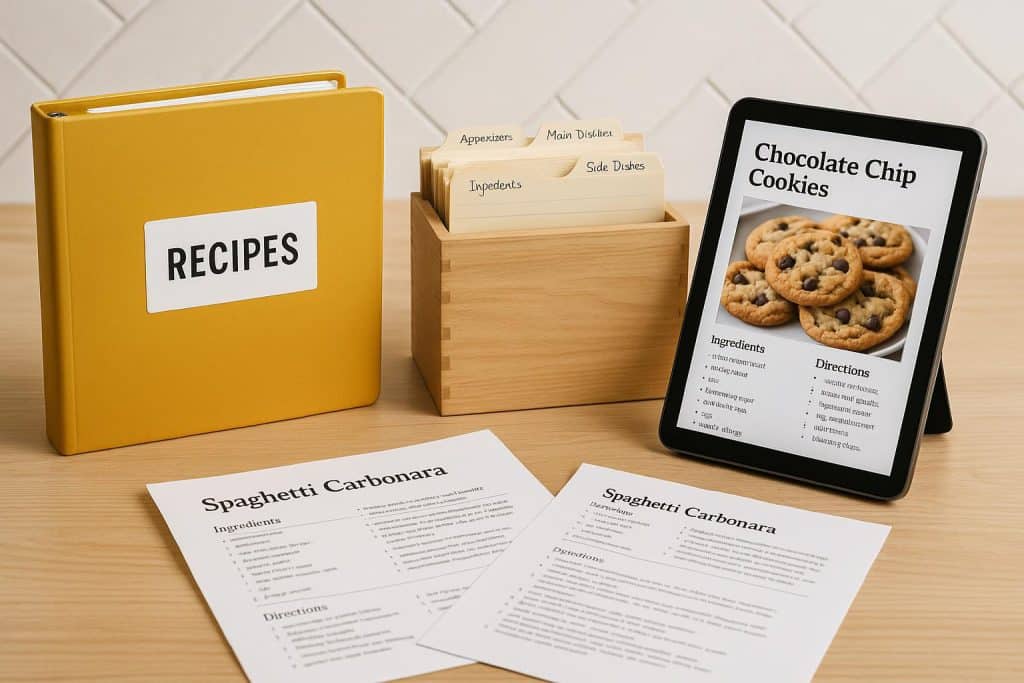
- Family recipe cards
- Screenshots
- Photos taken with a smartphone
Each source has their own way of storing recipes, which in turn makes it hard to track what is where. Even people with as few as 50 saved recipes report that they have the same type of dishes saved in many different apps and devices.
Without structure to your collection, favorite recipes may get lost.
The Benefits of Keeping Recipes in One Place
A personal digital cookbook is what a dedicated recipe manager provides instead of using multiple platforms.
Keeping recipes in one place gives you:
- Faster recipe searches
- Less duplicate saving
- Easier meal planning
- Better grocery preparation
- Simple access from different devices
- Long-term storage of family recipes
Instead of going to different apps for dinner ideas, everything is in one organized place.
Saving Recipes from Different Sources
Today’s recipes are a mix of what cooks find from different sources. Some may come across recipes while perusing social media, and at other times they open up that old family cookbook or head to the bookstore.
A contemporary recipe keeper, which makes it out of the question that users collect recipes from many sources, including:
Social Media
Cooking trends on TikTok and Instagram are large inspirations for new recipes. Instead of what may be a temporary or hard-to-retrace reference to saved posts, recipes that are of interest may be saved into a private collection for later use.
Cooking Websites
Many authors post great recipes to blogs and food websites. Instead of bookmarking hundreds of recipe pages in your browser, put the recipes in a specialized format for cooking.
Printed Cookbooks
Many families still use classic cookbooks. Digital scanning tools, which preserve favorite recipes, also make them easy to find at mealtime.
Handwritten Recipe Cards
Family recipes are often found on old index cards and worn-out notebooks. By digitizing them, cooks are not only preserving the recipes but also making it easier to organize for future generations.
Photos and Screenshots
Many chefs take notes of recipes they think they’ll try in the future. A recipe database, which is made available to them, allows those notes to turn into actual recipes instead of just being left as past memories.
Building a Personal Digital Cookbook
Unlike what is seen in public recipe collections or on social media, which are shared by many, a private digital cookbook is a personal collection.
Recipes may be arranged according to one’s own cooking preferences, which may differ from what someone else may use.
Examples include: Includes, for example:
- Weeknight dinners
- Holiday meals
- Family favorites
- Baking recipes
- Slow cooker meals
- Vegetarian dishes
- Quick lunches
- Meal prep recipes
Personal notes and tips that are added after cooking finishes are to be included in the recipe itself so they don’t get forgotten the next time it is prepared. Also, sugar may be reduced, spices increased, or cooking times changed; these adjustments stick with the recipe.
Through time that collection grows in value as it is based on personal cooking tastes instead of generic online recommendations.
Making Recipes Easy to Find
In the world of home cooking, a great frustration is that cooks remember the recipe but not the source.
Perhaps it was: Maybe it was:
- A pasta recipe from Instagram
- A soup from a food blog
- Grandma’s handwritten pie recipe
- A dessert saved from TikTok
Without structure, recipes may be found while sifting through browser history, photo galleries, social media saves, and notebooks.
A recipe manager, which in turn solves the issue by allowing people to organize their recipes into folders, collections, and categories, also in a searchable format. What they wish to cook is what the user is to remember instead of the recipe’s source.
Supporting Better Meal Planning
Recipe collection does so to improve meal planning.
When cooks have access to categorized and searchable recipes, meal planning for the week ahead becomes a breeze. Home cooks are able to go through breakfast options, dinner choices, or family favorites without leaving the site.
Meal planning also helps reduce the following: Meal planning also rules out that which reduces:
- Last-minute dinner decisions
- Repeated meals every week
- Forgotten ingredients
- Unnecessary grocery purchases
- Food waste
Having access to recipes before the week starts makes for a better cooking routine.
Preserving Family Cooking Traditions
Many favorite recipes are passed down on handwritten cards through the generations.
Paper recipes over time may become ruined, discolored, or lost.
Digitizing family recipes helps preserve the following: Transcribing family recipes helps pass down the following:
- Traditional holiday meals
- Cultural recipes
- Family baking favorites
- Handwritten cooking notes
- Personal modifications collected over many years
Creating a digital collection of these recipes, which also makes them easy to share with family.
Managing Nutrition and Recipe Information
Home chefs also enjoy that nutrition info is included with recipes.
Digital recipes are at your fingertips, which makes it easy to see ingredients, serving sizes, and nutrition facts without having to calculate anything each time a recipe is prepared.
For instance, this is very useful for families dealing with dietary concerns and also for those who are just trying to put healthy meals on the table.
Keeping Cooking Simple
Technology has a role to play in reducing kitchen stress.
Instead of jumping between browser tabs, scrolling through saved videos, or searching photo collections, which is what happens with saved screenshots, have a set collection that puts it in a single, easy-to-get-to location.
Whether the recipe is from a social media post, a food blog that is loved, printed in a cookbook, or from an old family recipe card out there, what is seen is that having a system for how to file and use them in the kitchen is what really makes things easy.
For most at home a CookBook recipe keeper is a great solution, which allows users to create their own digital cookbook, store, organize, and easily access their recipes, which in turn makes preparation of the next meal that much easier.