

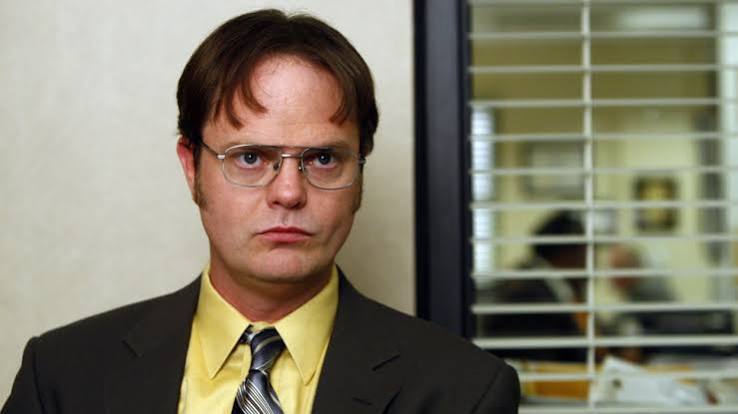
Rainn Wilson’s comments about the limits of modern TV comedy have reopened a familiar fan debate: could a workplace sitcom built on cringe, ignorance, and bad behavior get made the same way in 2026? The answer depends on who you ask — and that’s exactly why the conversation has become a fresh Office controversy.
Rainn Wilson: Wilson framed the show as a product of its time
Wilson, best known for playing Dwight Schrute, said in a June 14, 2026 Fox News Digital clip that modern comedy faces more pressure from political division and cancel-culture concerns. Variety reported that he argued it would be “too hard” to make The Office with the same politically incorrect edge today, especially because characters like Michael Scott and Dwight were designed to be socially clueless.
Fans pushed back on the “couldn’t be made today” argument
The backlash was immediate because many viewers see The Office as a show that mocks offensive behavior rather than endorses it. Dexerto noted that some fans pointed to more provocative comedies that still exist, while others argued that The Office remains popular precisely because its worst comments usually reveal the speaker’s ignorance.
The Paper complicates the debate
One reason the criticism spread quickly is that Peacock has already expanded the same universe with The Paper. The Peacock Original launched with all 10 episodes on September 4, 2025, following the documentary crew from Dunder Mifflin to a struggling Midwestern newspaper called the Toledo Truth Teller. That makes Wilson’s point more nuanced: maybe the exact 2005 version would change, but the format clearly still has life.
Rainn Wilson: The real issue is context, not just jokes
The Office often used uncomfortable humor to expose office drama: bad management, performative sensitivity, awkward team-building, casual sexism, and shallow corporate apologies. In 2026, writers would likely still tackle those topics, but with sharper framing and more awareness of who is being mocked. The target matters. A joke about a biased boss can land differently from a joke that simply repeats the bias.
This is also a conversation about office politics
Wilson’s remarks turned a sitcom discussion into a broader argument about culture, media, and workplace norms. For some fans, the show captured the messy office politics of the 2000s. For others, claiming it “couldn’t be made today” ignores how comedy has adapted rather than disappeared. The backlash shows how strongly audiences still identify with the series — and how differently they interpret its satire.
The controversy proves the show still has cultural power
Whether viewers agree with Wilson or not, the reaction proves The Office is still more than comfort TV. It remains a reference point for debates about comedy, changing standards, nostalgia, and what audiences expect from workplace stories. The latest Office controversy is less about one quote and more about a bigger question: should beloved shows be frozen in their original era, or reimagined for the one we live in now?