

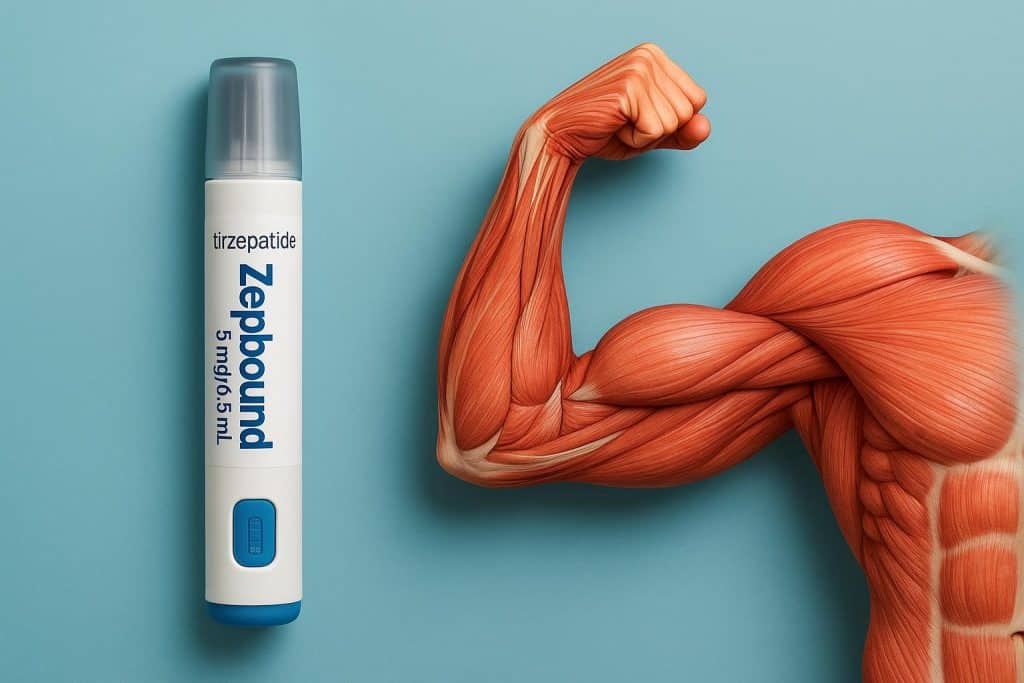
In recent years, medications and supplements designed to support weight management and metabolic health have gained significant attention. One such compound, Zepbound, has become increasingly popular among those seeking an effective solution to control appetite and improve energy metabolism. While the benefits of Zepbound are often highlighted, it’s equally important to understand its potential side effects, particularly those related to muscle health. This guide aims to help beginners navigate the effects of Zepbound on the body, focusing specifically on muscle-related concerns.
What is Zepbound?
Zepbound is a pharmaceutical medication primarily used to assist with weight management in adults with obesity or metabolic disorders. Its mechanism revolves around regulating appetite, improving insulin sensitivity, and enhancing fat metabolism. By targeting specific pathways in the body, Zepbound can help individuals reduce calorie intake and support gradual weight loss.
However, like any medication, Zepbound comes with potential side effects. While many users experience minor or temporary discomfort, some may encounter more specific reactions, including issues with muscle health.
How Zepbound Works in the Body
To understand why Zepbound muscle pains might occur, it is helpful to know how the medication interacts with the body. Zepbound acts on the central nervous system and metabolic pathways to regulate hunger and glucose levels. These effects can sometimes lead to changes in muscle function or contribute to mild muscle discomfort.
Key mechanisms include:
- Appetite suppression: Reducing calorie intake can sometimes lead to temporary muscle fatigue if nutritional intake is insufficient.
- Metabolic acceleration: Increased fat metabolism may place additional demands on muscle tissues as the body adjusts to energy changes.
- Fluid balance alterations: Some users report mild dehydration or electrolyte imbalances, which can impact muscle function and lead to soreness.
Common Muscle-Related Side Effects
While not everyone experiences muscle discomfort when taking Zepbound, reports have indicated that muscle-related side effects can occur. Understanding these effects helps users anticipate and manage them effectively.
- Muscle soreness or aches
Mild soreness is the most frequently reported symptom. It often occurs during the first few weeks of starting Zepbound and may resemble post-workout fatigue. - Muscle cramps
Some individuals experience intermittent cramps, especially in the legs or lower back. This is sometimes linked to dehydration or electrolyte shifts caused by appetite suppression and reduced food intake. - Muscle fatigue
Reduced caloric intake and metabolic changes can occasionally lead to feelings of weakness or decreased endurance during physical activity.
Although these side effects can be uncomfortable, they are generally manageable with lifestyle adjustments and proper monitoring.
Tips to Manage Muscle Pains While Using Zepbound
Experiencing muscle discomfort doesn’t mean you have to stop your Zepbound regimen. There are several practical steps you can take to reduce zepbound muscle pains and maintain overall muscle health:
1. Maintain Adequate Hydration
Proper hydration is crucial for preventing cramps and soreness. Drinking sufficient water throughout the day ensures that muscles receive the fluids they need to function optimally. Some users may also benefit from electrolyte supplements, particularly if they experience frequent cramping.
2. Ensure Proper Nutrition
Since Zepbound suppresses appetite, it’s essential to prioritize nutrient-dense foods that support muscle health. Incorporate protein-rich foods like lean meats, legumes, and dairy, alongside complex carbohydrates and healthy fats. This combination provides energy and amino acids necessary for muscle repair and growth.
3. Gentle Exercise and Stretching
Engaging in regular physical activity can help alleviate muscle soreness and maintain strength. Low-impact exercises such as walking, swimming, or yoga can be particularly beneficial. Additionally, stretching before and after workouts can improve flexibility and reduce discomfort.
4. Monitor Your Symptoms
Keep a record of any muscle-related side effects you experience while taking Zepbound. Tracking the severity, duration, and location of discomfort can help your healthcare provider make informed recommendations. In some cases, adjusting dosage or timing may reduce zepbound muscle pains.
5. Consult a Healthcare Professional
If muscle pain persists, intensifies, or is accompanied by unusual symptoms such as swelling, weakness, or numbness, consult your healthcare provider immediately. They can evaluate your condition and determine whether Zepbound is the right option for you or if modifications are necessary.
Understanding the Difference Between Normal Discomfort and Serious Symptoms
It is important to distinguish between mild, temporary muscle discomfort and more serious muscle issues. Normal soreness or fatigue typically resolves with hydration, rest, and gentle stretching. However, signs that require medical attention include:
- Sudden, severe muscle pain
- Persistent cramps or weakness that interferes with daily activities
- Swelling, redness, or heat in a specific area
- Dark-colored urine, which may indicate muscle breakdown (rhabdomyolysis)
Being aware of these warning signs ensures that you can take appropriate action promptly.
Who Should Be Cautious?
While Zepbound can be effective for many users, certain groups should exercise extra caution:
- Individuals with pre-existing muscle disorders or chronic fatigue conditions
- Those with kidney or liver issues, as muscle breakdown can strain these organs
- People engaging in intense physical activity while on Zepbound
- Older adults, who may be more susceptible to muscle weakness
Healthcare consultation is critical for these groups before starting Zepbound.
Balancing Benefits and Risks
The key to using Zepbound effectively lies in balancing its potential benefits with careful attention to side effects. For most users, mild muscle discomfort can be managed with hydration, proper nutrition, and gradual activity adjustments. Awareness of zepbound muscle pains allows individuals to continue their weight management journey without compromising muscle health.
Ultimately, Zepbound should be viewed as part of a comprehensive health plan that includes diet, exercise, and lifestyle modifications. By approaching its use thoughtfully, beginners can reap the benefits while minimizing potential side effects.
Final Thoughts
Zepbound represents a promising option for those looking to manage weight and improve metabolic health. However, like any medication, it carries potential side effects, particularly related to muscles. Understanding why muscle discomfort occurs and implementing strategies to mitigate it can make the experience safer and more comfortable.
For beginners, staying informed, monitoring symptoms, and consulting healthcare professionals when necessary are the best ways to ensure success. If you experience persistent issues, including zepbound muscle pains, it’s always wise to seek professional guidance. By doing so, you can maintain both your progress and your overall muscle health while benefiting from the advantages Zepbound offers.