

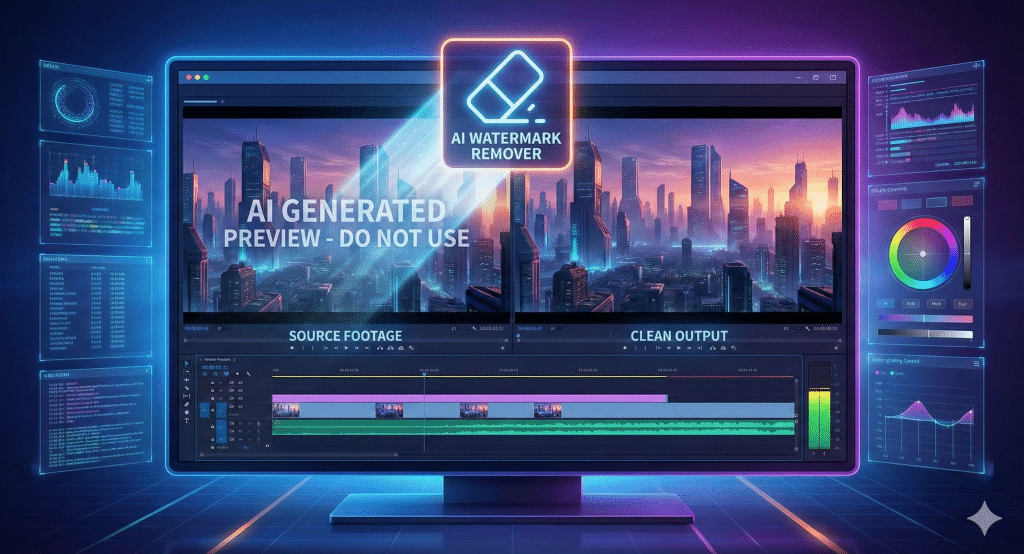
The explosion of Generative AI has fundamentally shifted the economics of content creation. Tools like OpenAI’s Sora, Runway, and Pika Labs are allowing creators to bypass expensive location shoots and stock footage licensing. However, there is a distinct gap between a viral Twitter demo and a broadcast-ready commercial: the “digital fingerprint.”
Most generative video platforms, especially during beta phases or free tiers, embed watermarks, logos, or metadata overlays onto their output. For a business trying to maintain a premium brand identity, these artifacts render the footage unusable. You cannot run a Facebook ad that screams “Made with Free AI Software.”
To bridge this gap, post-production workflows are evolving. The new standard involves not just generating pixels, but cleaning them using specialized AI eraser tools.
The Challenge of Temporal Consistency
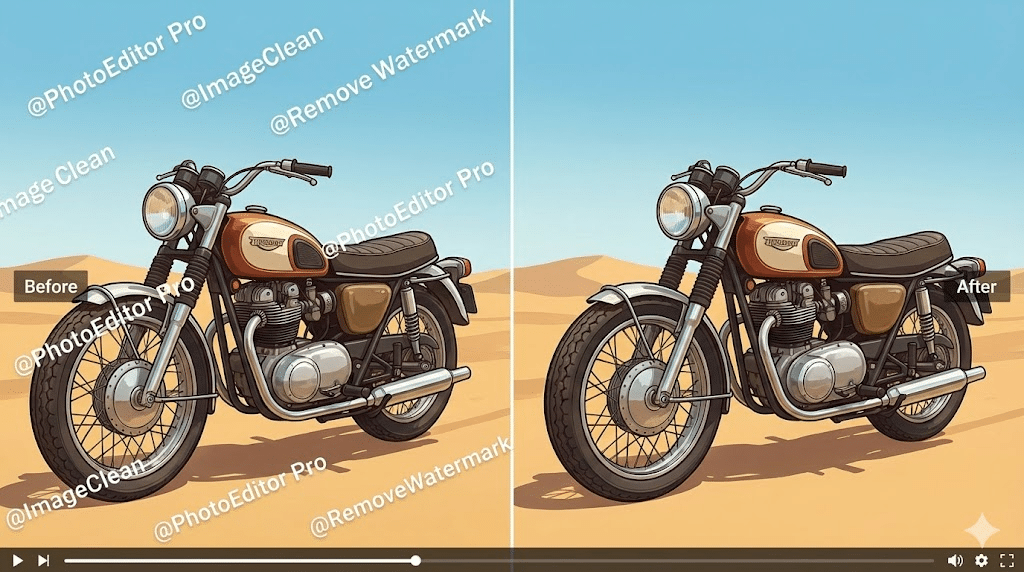
Removing a logo from a static image is relatively simple; removing one from a moving video is an engineering feat. The challenge lies in “temporal consistency”—ensuring that the background filling the erased spot moves naturally with the camera pan and lighting changes.
If you try to mask a logo frame-by-frame manually, the result often flickers or blurs, creating a distraction worse than the original watermark. Modern creative teams now rely on AI-driven Video Watermark Remover tools. These algorithms analyze the motion vectors of the video, predicting what pixels should exist behind the overlay based on previous and future frames. This allows for the seamless removal of date stamps, channel logos, or software branding from marketing assets, ensuring the viewer’s focus remains entirely on the narrative.
Preparing “Sora” Footage for Prime Time
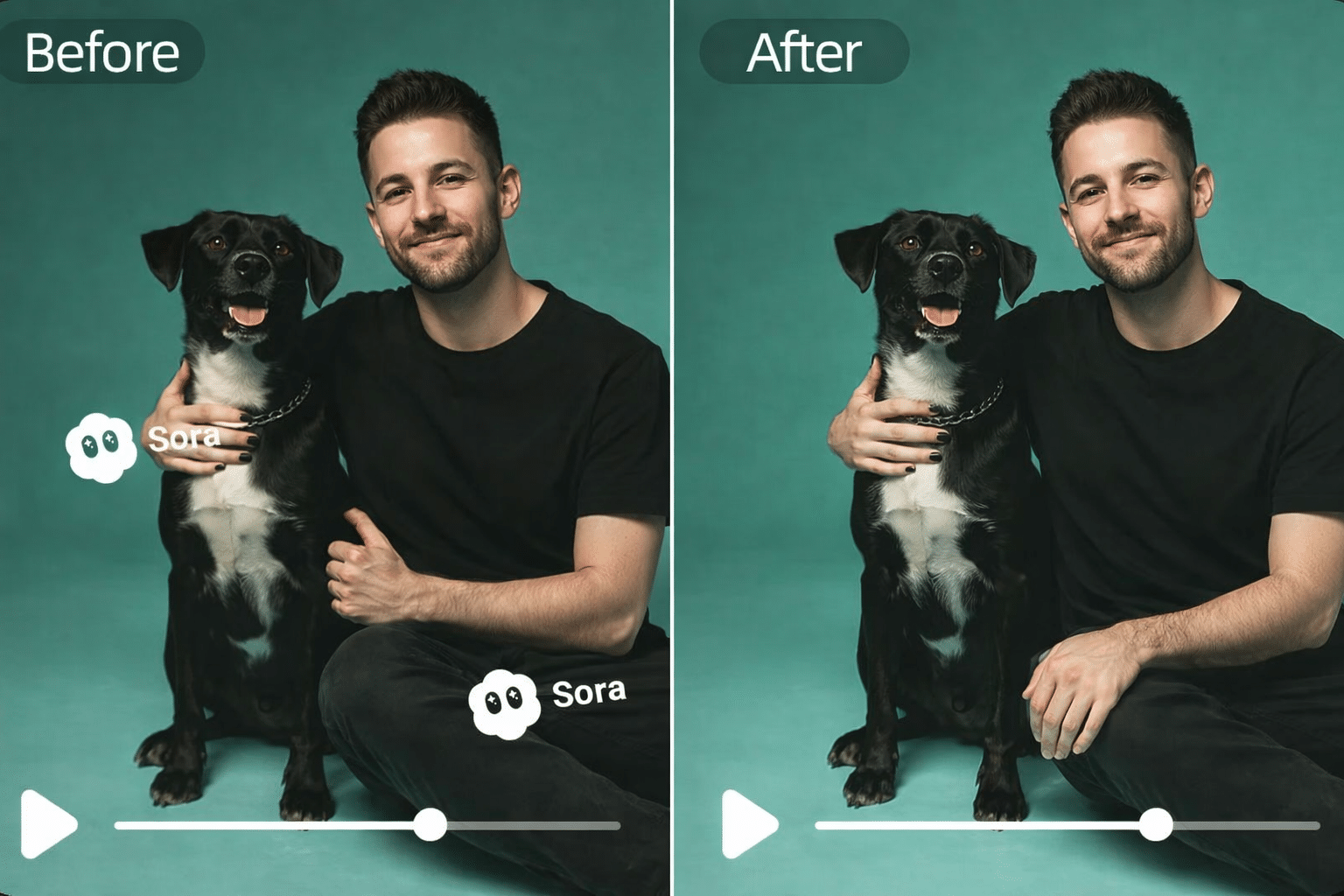
The industry is currently fixated on high-fidelity models like OpenAI’s Sora. These models can generate hyper-realistic scenes—from woolly mammoths to futuristic cities—that are indistinguishable from reality. However, as these tools roll out, they often come with prominent “Generated by AI” watermarks to ensure transparency during the generation phase.
For a brand using these clips for internal storyboards, pitch decks, or final commercial cuts, that branding needs to be stripped away to claim ownership of the visual. A specialized Sora Watermark Remover is becoming an essential part of the AI video pipeline. By effectively scrubbing the specific proprietary overlays associated with these high-end models, creators can integrate AI-generated B-roll into their larger projects without disjointed visual branding.
Conclusion: The “Clean” Aesthetic
In the competitive landscape of digital media, polish is a proxy for trust. Whether you are repurposing user-generated content or leveraging the latest generative AI models, the ability to present clean, unbranded visuals is what separates amateur content from professional campaigns. Integrating watermark removal tools into your post-production stack is no longer just about aesthetics; it is about maximizing the ROI of your digital assets.