

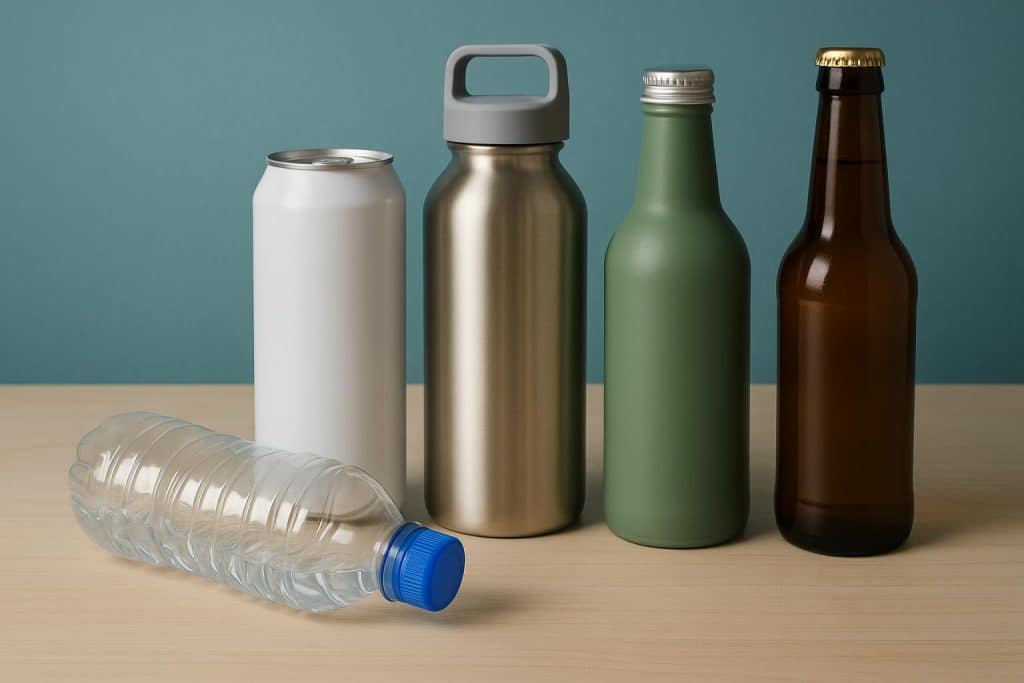
Plastic is like that relative who overstays their welcome at the family reunion. Immortal. Ubiquitous. And, decidedly difficult to dispose of. Start looking around, and you might spot it dominating landfills and marine life. Yet, against all odds, it’s finally facing a formidable opponent. Alternatives are appearing like ants at a picnic, and single-use plastics are feeling the heat. It’s time for plastic to brace itself. The world is painting its exodus in bold strokes.
The Looming Plastic Problem
If plastic were a new trend, its popularity would be astounding. But more than a trend, it’s a problem drilled into our daily routines. We’ve turned a blind eye to its menace for far too long. Bottles, packages, and bags—they fill up our oceans and indirectly our bellies when the fish mistake debris for dinner. Science claims that in a few decades, the oceans might hold more plastic than fish. Harmonizing with the environment now requires a roadmap free of single-use plastic pitfalls.
Education plays a significant role in combating this looming issue. Schools and environmental organizations are embarking on diligent campaigns to raise awareness among the younger generations. They are actively engaging students in activities centered around environmental preservation, ensuring that sustainability is not an unfamiliar term but a fundamental lifestyle choice. This approach ensures a generational wave of change that advocates for a world with fewer plastics.
Steel-ing the Show
Steel bottles are flexing muscles in the current scenario, challenging the tyranny of plastic. Durable, tough, and stylish—these bottles are practical show stoppers. Free from leaching chemicals or odd tastes, they keep drinks at desired temperatures without guilt riding on the side.
The proliferation of customized steel bottles showcases the increasing shift towards individual responsibility in addressing plastic pollution. Not only do these bottles serve as portable hydration solutions, but they also stand as personal statements of commitment to sustainability. Many brands are promoting customizable designs, offering an opportunity for individuals to express themselves while making eco-conscious choices, merging personal identity with ecological benefits.
Silicone Surprises
Foldable. Flexible. Reusable. Sounds too good to be true, but silicone is owning this space. Ever seen a collapsible silicone cup? That’s innovation our grandmas dreamt of. Tough luck, single-use plastics. There’s a new sheriff in town, and it’s trendy as heck.
The Bamboo Boom
Let’s filter out the noise and embrace bamboo, the knight in shining armor. It’s natural, sturdy, and renews faster than your phone contracts. Bamboo’s versatility is remarkable—making it perfect for straws, cups, and even utensils. In an era inundated by toxins, bamboo offers simple, biodegradable solutions that mingle with our earthy ideals.
Glass: The Clear Choice
Glass bottles are making a comeback, offering a fluoride-free, BPA-free sip of sanity. Once considered breakable hindrances, their robust new builds make them contenders for the green vote. Modern designs even slip a silicone sleeve over them, deftly dodging sudden shatter situations.
Though perceived as fragile, technological advancements in glass production have addressed these concerns, producing stronger variants that cater to the needs of active lifestyles. These fortified glass bottles withstand bumps and knocks, making them suitable companions even for the most adventurous individuals. Their elegant design complements their environmental advantages, marking them as a sophisticated yet earth-friendly choice.
For those who enjoy a variety of hydration options, freshly purified still & sparkling water emerges as an exciting innovation. These offerings not only cater to diverse taste preferences but also align with sustainable practices by minimizing the need for single-use bottles.
Paper and Compostables: The Unsung Heroes
Let’s pay homage to paper and its compostable cousins. They’re the needy warrior eco-fairy tales masked in. Though paper gets soggy rather vainly, it’s proving its worth in hybrid forms. Combined with coatings that decompose with finesse, compostable solutions are thriving. Even if aliens come demanding our waste, they’ll be thrilled with chuckling corn-based cups and plates decomposing overnight.
Rebellion of the Refillables
Refill stations are standing tall against plastic authoritarianism. They’re the hubs of hydration where consumers swap disposable tyranny for refills. Cities worldwide are endorsing these stations, giving free refills a whole new meaning. And while skepticism might greet them first—”where has cleanliness gone?”—refill stations are proving their loyalty to hygiene without a drop of guilt.
The Youth-Led Wave
It’s not just greens and NGOs leading the battle. The young and daring are at the frontline. Schools and universities are seeking alternatives that don’t lack panache. They’ve swapped guidance for action. Their passion is proof that humanity’s relationship with plastic need not be a toxic love affair on repeat.
Environmental Uprising
It’s evident: the planet wants a divorce from plastic. Countries are introducing stringent laws, imposing bans, upping the tariffs, and the environment is watching with repurposed binoculars. Everyone is ready for the fight, and the momentum feels irreversible.
Global summits and collaborative international efforts highlight the urgency for collective action against plastic waste. By educating the public and incentivizing eco-friendly practices, nations inspire a cultural renaissance embracing sustainable living. As initiatives gain traction, sectors across industries adapt willingly, creating symbiotic ecosystems prioritizing ecological health and consumer satisfaction.
Long live the alternatives. It’s time to dump plastics in time for nature to heal, without having to contend with single-use choices. It’s not just about making better decisions. It’s becoming synonymous with survival. And honestly, it’s about time.