

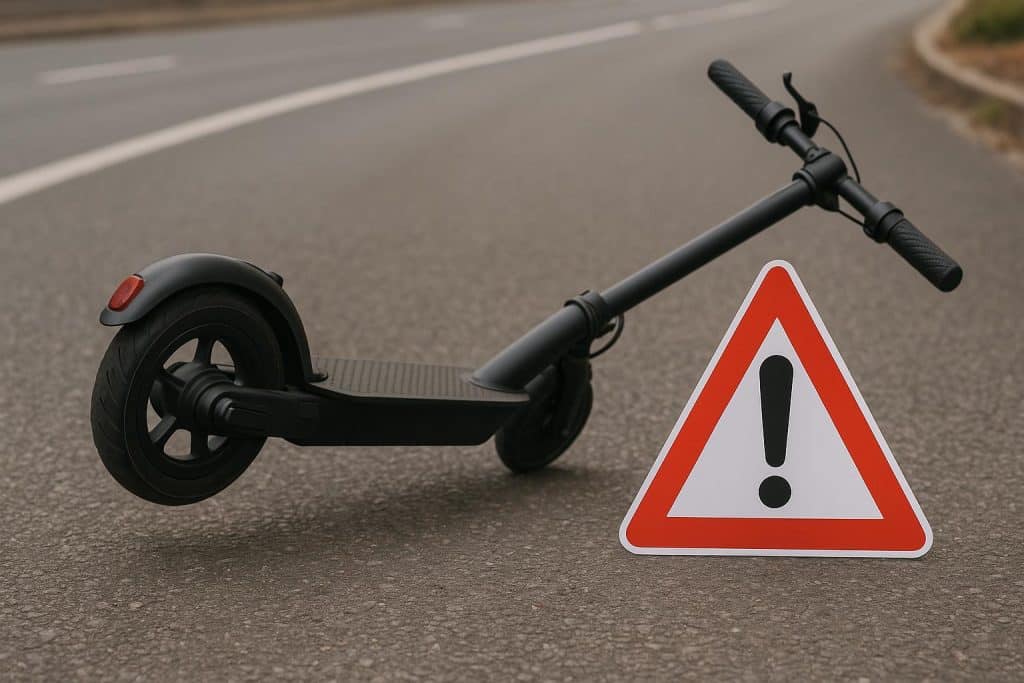
Electric scooters have become a popular way to commute, run errands, or enjoy leisure rides. Their convenience, eco-friendliness, and fun factor make them attractive to riders of all ages. But with their rise in popularity, a common question comes up:
Are electric scooters dangerous?
The answer is nuanced. Like bicycles, skateboards, or any wheeled vehicle, electric scooters have risks, but most accidents are preventable with proper safety practices, awareness, and the right equipment.
Are Electric Scooters Dangerous?
Electric scooters are not inherently dangerous, but risks increase depending on:
- Rider experience: beginners are more likely to fall or misjudge traffic
- Speed: high speeds reduce reaction time and increase the severity of accidents
- Road conditions: potholes, wet surfaces, and gravel increase risk
- Protective gear: helmets, pads, and reflective clothing greatly reduce injuries
When used responsibly, electric scooters are generally as safe as bicycles.
Common Risks Associated with Electric Scooters
Falls and Collisions
Loss of balance, sudden stops, or collisions with vehicles and pedestrians are the most common causes of accidents.
Road Hazards
- Potholes
- Loose gravel or debris
- Wet or uneven pavements
These hazards can easily cause slips or tip-overs.
Speed-Related Accidents
High-speed electric scooters or reckless riding increase injury severity. Even scooters designed for commuting at 15–20 mph can cause harm if misused.
Weather-Related Risks
- Rain reduces traction
- Wet roads increase braking distance
- Strong winds can affect stability
Shared Scooter Risks
Rented scooters may have maintenance issues or unfamiliar controls. Inexperienced riders are more prone to accidents.
Are Electric Scooters Dangerous for Kids?
Children are more vulnerable due to their smaller size, slower reaction times, and lack of experience. Key points:
- Most regions set age limits (usually 16+)
- Children riding scooters without supervision are at higher risk of falls and collisions
- Safety gear is essential: helmets, knee/elbow pads, gloves
- Riding in traffic or on uneven surfaces increases injury likelihood
Accident Statistics
According to multiple studies:
- Most e-scooter injuries are minor, such as scrapes, bruises, and fractures
- Head injuries are the most serious and often preventable with helmets
- Accident rates are comparable to those of bicycles, particularly for urban commuters
Electric Scooter Design Factors That Affect Safety
Factors That Improve Safety
- Dual braking systems (electronic + mechanical)
- Large pneumatic tires for better traction
- Suspension systems to absorb bumps
- Lights and reflectors for visibility
- Wide deck for stable footing
Factors That Increase Risk
- Small, solid tires that don’t absorb shock
- Weak or single braking systems
- Lack of lights or reflective surfaces for night riding
- Excessive top speed for inexperienced riders
Rider Behavior: The Biggest Safety Factor
The rider’s behavior is often more important than the scooter itself:
- Avoid distractions (phones, music)
- Maintain moderate speed
- Practice smooth braking and turning
- Never carry more than the recommended load
- Avoid riding in wet, icy, or poorly lit conditions
Low-Risk vs High-Risk Riding Situations
| Riding Situation | Risk Level | Notes |
|---|---|---|
| Helmet + knee/elbow pads, dry road, moderate speed | Low | Most safe scenario |
| No helmet, high speed, wet pavement | High | Greatest risk for serious injury |
| Shared scooter, first-time rider, city traffic | Moderate | Increased risk due to inexperience and obstacles |
| Night riding without lights | Moderate-High | Visibility issues can lead to collisions |
| Riding with passengers | High | Most scooters are designed for single riders |
How to Ride Electric Scooters Safely
Essential Gear
- Helmet (mandatory in most regions)
- Knee and elbow pads
- Gloves for grip and protection
- Reflective clothing or lights
Safe Riding Practices
- Maintain proper stance and balance
- Control speed and avoid sudden acceleration
- Use smooth braking
- Stay alert to pedestrians, cars, and obstacles
- Obey local traffic laws and regulations
How Cities Reduce Electric Scooter Dangers
Municipalities are adopting measures to improve safety:
- Speed limits for scooters
- Dedicated bike and scooter lanes
- Regulations for parking and sidewalk use
- Public safety campaigns promoting helmets and proper riding
Are Electric Scooters Dangerous? Final Verdict
Electric scooters can be dangerous if misused or ridden carelessly, but most risks are preventable. By:
- Wearing protective gear
- Riding at safe speeds
- Choosing well-designed scooters
- Avoiding risky conditions
…riders can enjoy electric scooters with minimal risk.
In short, electric scooters are safe when treated responsibly, but accidents can happen without proper caution.