

Introduction
Caring for trees involves more than just watering. It’s about creating a thriving environment where trees can flourish. One key aspect of this is balancing fertilization with regular trimming. By integrating these practices effectively, you can ensure that trees thrive and remain aesthetically pleasing. This harmonious combination empowers trees to develop robustly, enhancing their health and appearance.
The Importance of Fertilization and Trimming
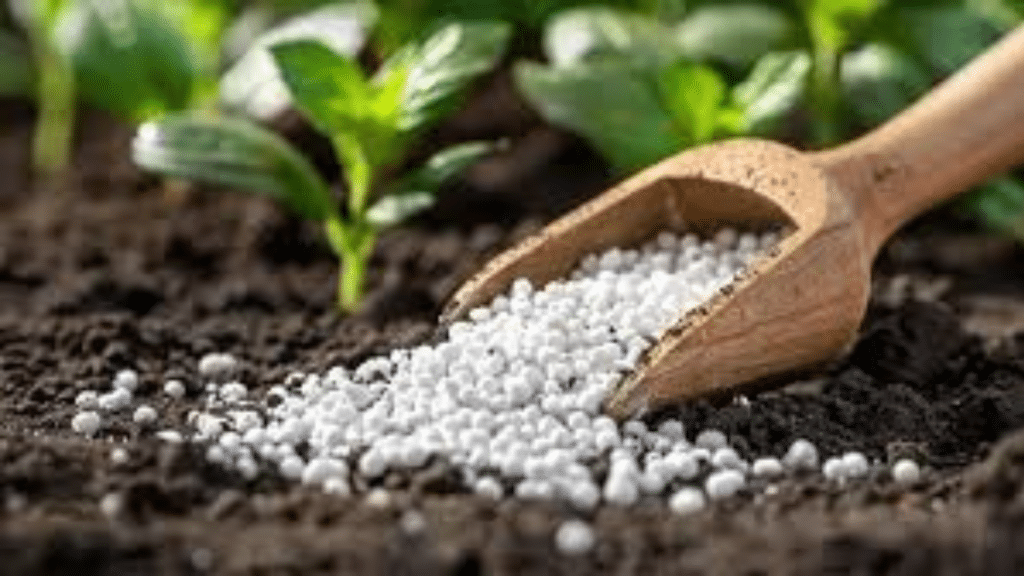
Trees, like all plants, require nutrients to support their growth and overall health. Fertilization replenishes the soil’s nutrient content, supplying essential elements such as nitrogen, phosphorus, and potassium. These nutrients promote vibrant foliage, robust root systems, and resilience against diseases.
On the other hand, trimming is a critical practice to manage tree shape, remove dead or unhealthy branches, and prevent potential hazards. Trimming also stimulates growth by allowing more light and air to penetrate the canopy, fostering a conducive environment for the tree’s natural processes. This is particularly critical in urban settings like tree trimming Southlake, where maintaining tree health and shape is paramount.
Planning Your Fertilization Schedule
An effective fertilization schedule considers the specific needs of different tree species, seasonal changes, and soil conditions. Early spring is generally the best time to fertilize trees, as this aligns with their growth cycle. Trees emerge from dormancy during this period and require a boost to jumpstart growth.
A gradual-release fertilizer can provide sustained nourishment over a more extended period, minimizing the risk of nutrient leaching and ensuring continuous support. It’s equally vital to perform soil tests periodically to determine the nutritional needs of your trees, allowing for more customized fertilization strategies.
Effects of Trimming on Growth
Trimming affects tree growth in several ways. By cutting back overgrown branches and foliage, you encourage resources to be redirected towards the healthier parts of the tree, stimulating robust growth. This practice also mitigates the disease risk by removing infected sections and improving air circulation within the canopy.
Strategically planned trimming encourages natural shape and can significantly enhance the aesthetic appeal of trees. It also reduces the likelihood of branch failure by eliminating weak or dead limbs that could pose a risk during storms or high winds.
Integrating Fertilization and Trimming Practices
Integrating fertilization and trimming is key to maximizing tree health and performance. Proper timing ensures that trees receive the benefits of both processes without placing unnecessary stress on them. Ideally, fertilization should occur a few weeks before or after trimming. This timing allows trees to absorb nutrients efficiently and recover from pruning stress.
To tailor your approach, consider each tree species’ unique requirements. Some may require more frequent fertilization with specific nutrient compositions, while others might benefit from a heavier pruning schedule to maintain their structure and health.
Eco-Friendly Fertilization and Trimming Approaches
Eco-friendly practices benefit trees and the surrounding environment. Organic fertilizers, such as compost or manure, provide natural nutrient support while enhancing soil structure. These options minimize chemical runoff, protecting nearby water sources from contamination.
When it comes to trimming, avoid the use of harmful pesticides and instead employ natural pest management strategies. This reduces the impact on local wildlife and fosters a more balanced ecosystem in your landscape. Practicing these sustainable methods helps to maintain a healthier environment for future tree growth.
Tips for Successful Integration
Successful integration of fertilization and trimming requires careful planning and execution. Here are some tips to help guide you:
Firstly, understand the specific needs of your tree species, including optimal nutrient compositions and pruning schedules. Secondly, regular soil tests should be performed to monitor nutrient levels and to adapt fertilization strategies accordingly. Thirdly, use high-quality fertilizers that release nutrients gradually to provide long-term benefits without the risk of over-fertilization.
Additionally, schedule trimming during the tree’s dormant seasons to minimize stress and promote healthy regrowth in the subsequent growing season. Finally, observe your trees regularly for signs of distress or disease, addressing issues promptly to maintain their overall health and vitality.
Conclusion
Balancing fertilization with regular trimming practices is essential for maintaining healthy, vibrant trees. You can enhance tree growth, longevity, and beauty by integrating these methods effectively. Understanding the unique needs of each tree species, combined with eco-friendly practices, ensures that your landscape remains a thriving haven of greenery.
Implementing these strategies encourages trees’ natural growth cycles while supporting a sustainable environment. Whether managing a lush garden at home or maintaining public spaces, the harmony between fertilization and trimming plays a pivotal role in trees’ health and aesthetics.