

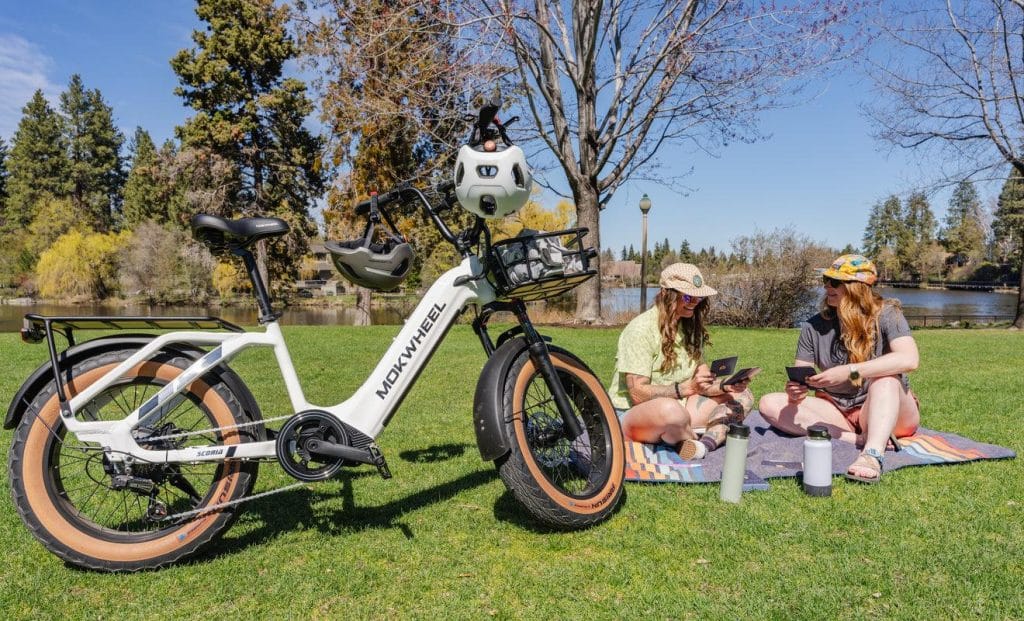
As the electric bike market continues to mature, choosing has actually become more difficult. Specs keep getting higher and models more segmented, but what truly shapes the riding experience is often not the numbers on a spec sheet, but more fundamental questions.
If you’re considering buying an electric bike, it’s worth starting with these three practical questions.
Question One: Do You Care More About “Speed,” or “Stability”?
For riders with a fixed daily commute, riding efficiency often directly determines whether long-term use feels sustainable. A bike that can maintain steady high speeds and keep pace in urban traffic can significantly reduce the time pressure of commuting.
The Tarmac and Asphalt series are typical examples, designed with urban efficiency in mind. A top speed of 28 mph, combined with a well-developed power system, allows the bike to keep a consistent rhythm across consecutive road sections, without the ride being disrupted by starts or hills.
Building on that foundation, the Basalt and Basalt ST further strengthen adaptability to more complex road conditions. Greater power reserves enable them to maintain speed advantages while also handling uneven surfaces. If your daily commute overlaps with weekend riding, these models feel more composed.
In this context, the value of fast ebikes isn’t just about being “faster,” but about keeping your travel rhythm consistently under control.
Question Two: Do You Ride the Bike More, or Carry It More?
Many people underestimate one fact when buying a bike:
An electric bike doesn’t only exist on the road—it also exists in your living space.
Do you need to carry it upstairs?
Does it have to fit into an elevator?
Do you often store it indoors or in tight spaces?
These questions come up again and again in real use.
That’s why more and more urban riders are paying attention to the FLINT series. Based on the data you provided, these models fall within a total weight range of 31–40 lbs:
- FLINT PRO Ebike:31 lbs
- FLINT ST PRO Ebike: 35 lbs
- FLINT Ebike: 36 lbs
- FLINT ST Ebike:40 lbs
Within this weight range, the burden of daily pushing, carrying, and storing the bike is noticeably reduced, bringing the experience closer to that of a traditional bicycle. For apartment dwellers or riders who frequently get on and off the bike, the difference a lightweight ebike makes can be very immediate and tangible.
Question Three: How Long Do You Want It to Stay With You?
Budget is almost always the most practical factor in any decision. But what’s truly worth considering isn’t how cheap the bike is, but whether it’s something you can keep using over time.
From a configuration standpoint, the FLINT series forms a relatively balanced combination of motor output, range, and weight. A range of 50–70 miles covers most city commuting and daily riding scenarios, while power that isn’t excessively stacked helps reduce long-term maintenance and usage costs.
If the goal is long-term use rather than short-term experience, this kind of balance often comes closer to what most people understand as the best budget—not sacrificing the riding experience, but avoiding paying for performance you don’t actually use.
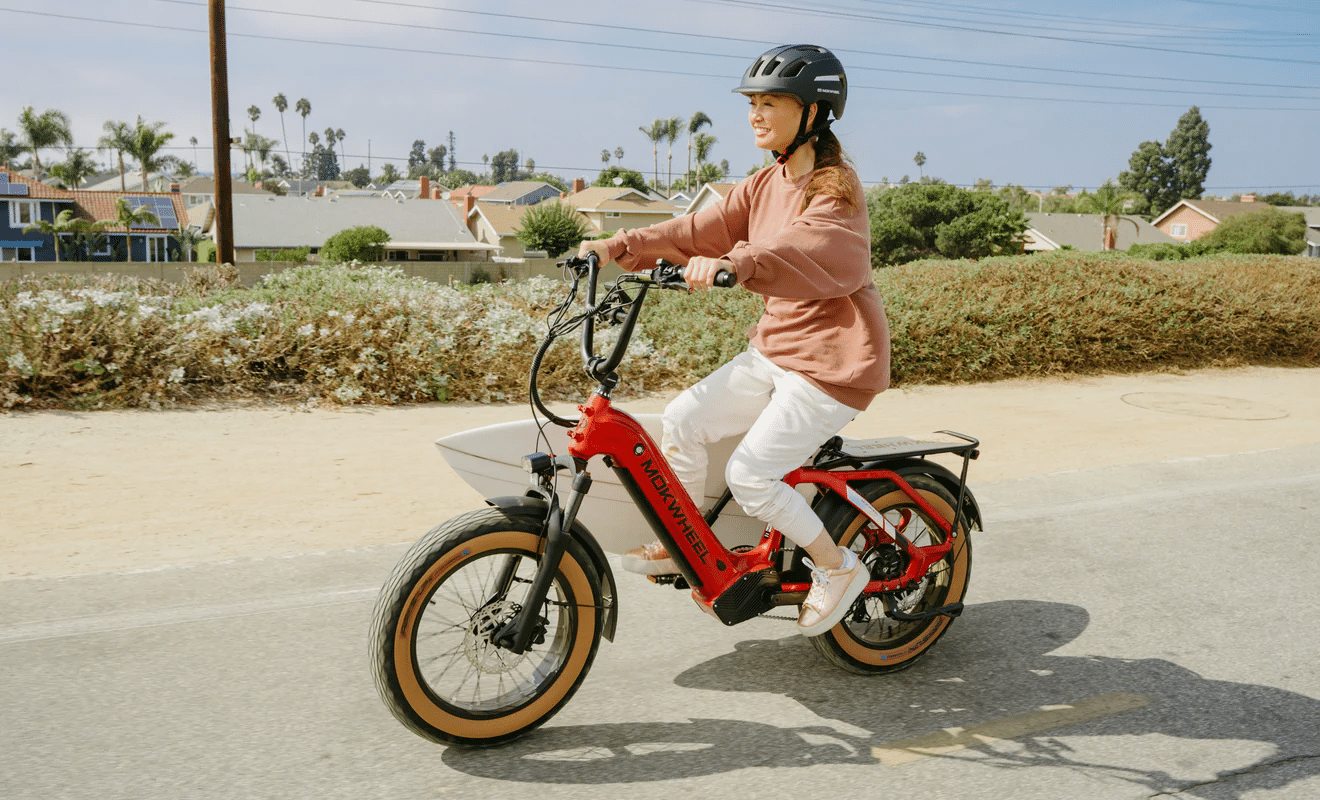
Different Answers Lead to Different Bike Types
If speed and commuting efficiency matter more to you, the Tarmac, Asphalt, or Basalt series will better match your needs.
If ease of use, convenient storage, and frequent daily riding are higher priorities, the FLINT series is closer to everyday life.
The key isn’t which category is “stronger,” but which one better fits how you actually ride each day.
Don’t Let Specs Make the Decision for You
Choosing an electric bike is, at its core, a lifestyle choice. When riding becomes part of daily life—rather than something you have to repeatedly convince yourself to do—the bike itself begins to deliver real value.
Think through how you ride, where you ride, and how often you ride before looking at models and specs. When you do, the choice tends to become much simpler.