

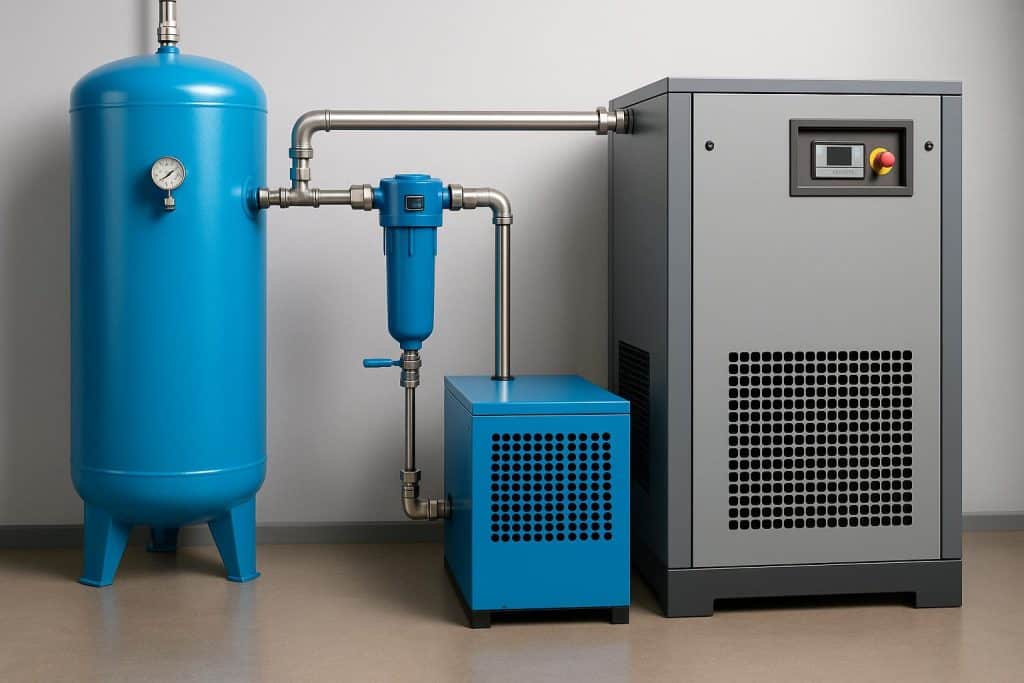
Introduction to Compressed Air Systems
Compressed air is a vital utility for many industrial and manufacturing operations, powering equipment from pneumatic tools to conveyors. However, it can also represent a significant portion of energy costs, often accounting for 10-30% of a facility’s electricity consumption. Inefficiencies such as leaks, pressure drops, and poor system design can waste 20 to 40 percent of compressed air, translating into unnecessary operating expenses and environmental impact.
Understanding where energy waste occurs is crucial for optimizing compressed air systems. Regular maintenance and performance audits can help uncover hidden losses, improve system reliability, and reduce overall energy costs. Fluid Aire Dynamics, a trusted provider of compressed air solutions, offers expertise in comprehensive system assessments that identify inefficiencies and guide corrective actions to maximize operational savings.
These comprehensive system assessments combine data logging and expert analysis to deliver detailed, actionable reports. This ensures that industrial facilities across various regions can rely on energy-efficient compressed air systems with minimized downtime.
What Is a Compressed Air Audit?
A compressed air audit is a systematic evaluation of a facility’s compressed air system aimed at identifying inefficiencies, leaks, and areas for optimization. The audit’s purpose is to reduce energy waste, improve system reliability, and cut operating costs.
During an audit, technicians use specialized tools such as ultrasonic leak detectors, airflow meters, and pressure sensors to measure system performance. Data collection spans leak identification, pressure drop analysis, compressor efficiency, and system component condition. This data-driven approach provides a clear picture of energy consumption patterns and loss points.
Benefits of a comprehensive compressed air audit include:
- Significant energy savings through leak repair and optimization
- Lower utility bills and operational costs
- Extended equipment life via preventive maintenance
- Enhanced system reliability and reduced downtime
Professional services offer a thorough system review and expert recommendations tailored to each facility’s needs.
Key Areas of Focus During an Audit
Leak Detection and Repair Techniques
Leaks are the most common source of wasted compressed air, often accounting for up to 40% of total air loss. Detecting leaks early can prevent substantial energy waste. Auditors use ultrasonic leak detection tools that capture high-frequency sounds emitted by escaping air, pinpointing leaks invisible to the naked eye.
After detection, repair programs prioritize fixes based on leak size and impact. Timely repair reduces energy consumption and improves system pressure stability.
Pressure Drop and System Pressure Optimization
Excessive pressure drop across filters, piping, or components forces compressors to work harder, increasing energy use. The audit measures pressure at various points to identify and address bottlenecks.
Optimizing system pressure can reduce compressor load without affecting equipment performance. For example, lowering system pressure by just 2 psi can cut energy costs by $1-3 %$.
Filter and Piping Maintenance
Clogged filters and poorly sized or laid-out piping contribute to pressure drops and reduced airflow. The audit evaluates filter condition and pipe diameters to ensure smooth air delivery.
Replacing dirty filters and upgrading piping layout improves flow efficiency and system responsiveness.
System Layout and Sizing Evaluation
Oversized compressors or improperly sized storage tanks can lead to inefficiencies. The audit reviews system capacity and component sizing to recommend adjustments that match actual demand.
Right-sizing components avoids excessive energy use and supports stable pressure delivery.
Advanced Monitoring and Technology
Smart Controls and Data Monitoring
Modern compressed air systems benefit from smart controllers that adjust compressor operation based on real-time demand. These controls improve efficiency by minimizing unnecessary run time.
Data monitoring systems track power consumption, airflow, and pressure, enabling ongoing performance analysis and quick identification of anomalies.
Use of IoT and Sensors for Real-Time Insights
The integration of Internet of Things (IoT) sensors provides continuous, real-time monitoring of compressed air systems. Sensors measure airflow, pressure, humidity, and temperature, feeding data to cloud platforms for advanced analytics.
This technology enhances audit accuracy and supports predictive maintenance, reducing unplanned downtime.
Implementing Audit Recommendations
Prioritizing Fixes for Maximum ROI
Audit reports typically list multiple improvement opportunities. Prioritizing repairs with the highest return on investment ensures efficient use of resources.
Leak repairs and pressure optimization often provide the fastest payback, followed by maintenance upgrades and system reconfiguration.
Maintenance Scheduling and Operator Training
Effective maintenance scheduling based on audit findings prevents system degradation. Training operators in leak detection techniques and routine checks empowers the facility team to sustain efficiency gains. Reliable providers can also offer comprehensive skilled founder’s air compressor service to ensure peak performance.
Tracking Energy Savings and Cost Reductions
Post-implementation, ongoing tracking of energy consumption and costs validates the success of audit recommendations. Benchmarking before and after improvements quantifies savings and justifies further investments.
Reliable service providers support clients with detailed reports and follow-up services to maintain optimized system performance.
DIY Audit Guide for Smaller Operations
Smaller facilities can begin improving compressed air efficiency by conducting a basic audit in-house:
- Visual Inspection: Check for obvious leaks and worn components.
- Leak Detection: Use ultrasonic leak detectors or listen for hissing sounds around fittings and valves.
- Pressure Measurement: Record pressure at compressor outlets and end-use points.
- Filter Checks: Inspect and replace clogged filters regularly.
- Operational Review: Analyze compressor run times and idle periods.
Document findings and address critical leaks or maintenance needs promptly. For complex issues, consult professional audit services.
Sustainability and Carbon Footprint Reduction via Audits
Compressed air system audits play a key role in reducing environmental impact. By identifying and eliminating air leaks and inefficiencies, facilities can significantly lower electricity consumption and carbon emissions.
These improvements support corporate sustainability commitments and may qualify for green certifications.
Financial Incentives and Rebates for Efficiency Upgrades
Many regional utilities offer rebates for compressed air efficiency projects, including leak repairs, equipment upgrades, and control system installations.
Engaging with local utility providers early in the audit process helps maximize available incentives.
Safety Best Practices During Audits
Ensuring safety during compressed air audits is paramount. Best practices include:
- De-energizing equipment before inspections
- Using appropriate PPE, such as ear protection and safety glasses
- Following lockout/tagout procedures
- Training staff on emergency response
Adhering to these guidelines protects personnel and equipment.
FAQs About Compressed Air System Audits and Maintenance
- How can I conduct a compressed air audit myself? Start by inspecting for leaks using ultrasonic detectors or listening for hissing sounds. Measure system pressure at key points and check filters. Document findings and fix obvious issues. For comprehensive analysis, professional audit services are recommended.
- What tools are best for compressed air leak detection? Ultrasonic leak detectors are the most effective, capturing high-frequency sounds from leaks. Acoustic sensors, airflow meters, and pressure gauges complement these tools during audits.
- Are there financial rebates for compressed air system upgrades? Yes, many utilities offer rebates for energy-efficient compressed air improvements. These vary by region and can cover leak repairs, equipment upgrades, and control system installations.
- How often should compressed air system maintenance be scheduled? Regular maintenance intervals depend on system size and usage but typically occur quarterly or biannually. Audits help define optimal schedules based on system condition and performance.
Conclusion and Next Steps
Optimizing compressed air systems through thorough audits and maintenance yields significant energy savings, cost reductions, and enhanced reliability. Expert audit services combine advanced tools, data analysis, and industry knowledge to identify inefficiencies and recommend targeted improvements.
For industrial and manufacturing businesses, partnering with a reliable provider ensures access to comprehensive compressed air system assessments. Consider scheduling an air leak audit to learn how expert maintenance and repair services can transform your facility’s efficiency.