

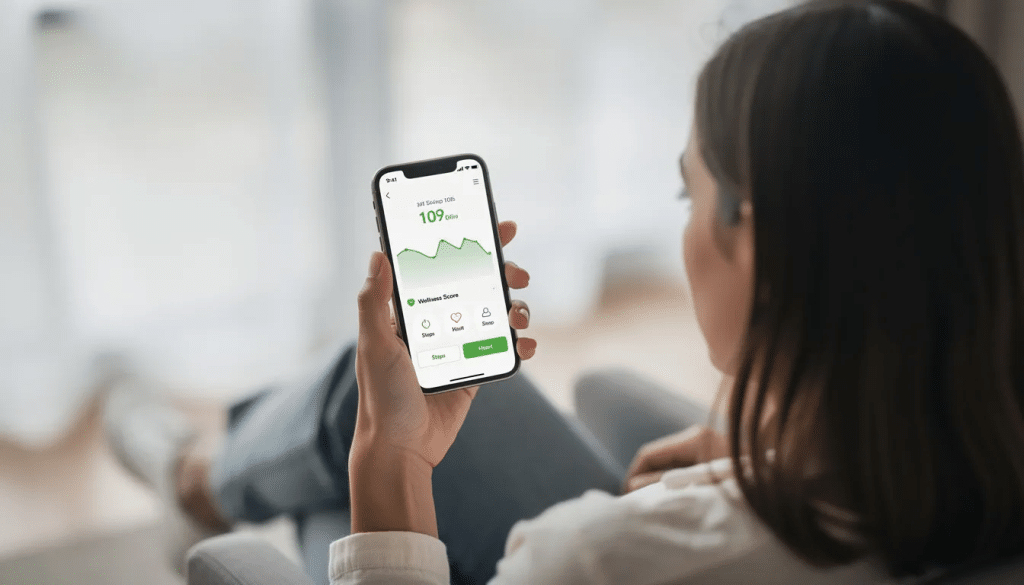
Intermittent fasting has officially crossed from health trend into lifestyle staple. In 2026, tens of millions of people worldwide are using intermittent fasting apps to time their eating windows, track their fasting progress, and build sustainable healthy habits. But with dozens of options flooding the App Store and Google Play, finding the right fasting app for your goals can feel overwhelming.
This guide breaks down the best intermittent fasting apps of 2026, from science-backed trackers to beginner-friendly coaches to data-rich analytics platforms. Whether you’re trying to lose weight, improve metabolic health, or simply build a more mindful eating schedule, there’s an app designed for exactly what you need.
Let’s start with quick recommendations before diving into the full reviews.
Quick Answer: Top Intermittent Fasting Apps to Try First in 2026
If you want fast recommendations before reading detailed reviews, here are the standout intermittent fasting apps for 2026:
- Simple – Intermittent Fasting & Health – Best for beginners who want daily guidance, AI coaching, and sustainable habit building (free core features; premium ~$10–$20/month)
- Zero – Best overall science-backed IF app with research-driven content and clean interface (free with Zero Plus at ~$69.99/year)
- BodyFast – Best for flexible, gamified plans with weekly challenges and 30+ fasting protocols (free basic; Coach subscription ~$10–$15/month)
- DoFasting – Best for all-in-one coaching with workouts, meal plans, and structured programs (subscription-based ~$10–$20/month)
- FastHabit – Best for Apple Watch users who want simple, no-fuss daily tracking (free tier; Pro ~$59.99/year)
- Window – Best for visual schedulers who prefer clock-style interfaces (free tier; premium ~$9.99/month)
- LIFE Fasting Tracker – Best for social accountability and group fasting with friends or family (free core; Life+ subscription available)
Each app offers distinct strengths. Read on to find which one matches your fasting style.
What Is Intermittent Fasting and Why Are Apps So Popular in 2026?
Intermittent fasting is an eating pattern that alternates between periods of eating and fasting. Unlike traditional diets that focus on what you eat, intermittent fasting emphasizes when you eat. The most popular protocols include 16:8 (fasting for 16 hours, eating within an 8-hour window), 14:10 for beginners, the 5:2 method (eating normally five days and restricting calories two days), and the more intense 20:4 Warrior Diet or OMAD (one meal a day).
In 2026, intermittent fasting apps rank among the most downloaded health apps on both iOS and Android platforms. Apps like Zero have logged over 10 million completed fasts, while Simple.Life has surpassed 5 million downloads since launching in 2019. The explosion in popularity makes sense: these tools transform an abstract eating schedule into something concrete and trackable.
Modern fasting apps go far beyond basic fasting timers. They now combine time-restricted eating with broader wellness features like sleep tracking, hydration reminders, mood journals, and integration with Apple Health, Google Fit, and wearables like Fitbit and Apple Watch. Many apps also include meal plans, calorie tracking, and educational content on brain function and fat burning. The result is a comprehensive ecosystem for anyone starting their intermittent fasting journey.
Is Intermittent Fasting Healthy and Who Should Be Careful?
Research from 2024–2026 continues to support several potential benefits of intermittent fasting when practiced safely. Studies suggest IF can contribute to weight loss, improved insulin sensitivity, reduced visceral fat, and possible support for cardiovascular and brain function. Many people also report increased energy, mental clarity, and better overall health once they adapt to a fasting routine.
That said, intermittent fasting isn’t without challenges. During the first one to two weeks, common side effects include hunger, irritability, headaches, and occasional sleep disruption. These typically fade as your body adjusts to the new eating schedule.
Who should be careful or avoid IF entirely:
- Pregnant or breastfeeding individuals
- People with a history of eating disorders
- Those with uncontrolled diabetes or blood glucose issues
- Anyone taking medications that require food
- Teenagers and children
Remember that fasting apps are tools, not medical advice. If you’re considering aggressive protocols like OMAD or alternate-day fasting, consult your healthcare provider first. Apps can help you stay consistent, but they can’t replace professional guidance for complex health situations.
Most Common Intermittent Fasting Schedules (and How Apps Help You Stick to Them)
Fasting schedules vary widely, and the best intermittent fasting apps of 2026 support multiple presets plus fully custom eating windows. Here’s how the most popular methods work:
16:8 (Most Popular): Fast for 16 hours, eat within an 8-hour window. Apps automate this with countdown timers, notifications when your eating window opens and closes, and streak tracking to keep you accountable. This is the default setting in most fasting apps.
14:10 and 12:12 (Beginner-Friendly): Shorter fasting periods that ease newcomers into time-restricted eating. Apps like Simple and Zero offer these as starting points before graduating to longer fasts.
5:2 Method: Eat normally five days per week, then restrict calories (typically 500–600) on two non-consecutive days. Apps help by providing calendar views and weekly summaries to track both fasting hours and low-calorie days.
OMAD (One Meal a Day): A 23:1 protocol where you eat once daily. Advanced fasters use apps primarily for logging and mood tracking rather than reminders.
Warrior Diet (20:4): Fast for 20 hours with a 4-hour eating window, typically in the evening. Apps with flexible intermittent fasting app features let you customize these exact windows.
Circadian Rhythm Fasting: Some apps, including Zero and Sunrise Fasting, can align your fasting schedule with sunset and sunrise using geolocation. This approach ties eating patterns to natural light cycles, which some research suggests may optimize metabolic benefits.
The right app turns any of these protocols from willpower exercises into systematic habits with timely reminders, progress photos, and weekly challenges that make consistency easier.
Best Intermittent Fasting Apps of 2026 (In-Depth Reviews)
The apps below were selected based on 2026 user ratings on App Store and Google Play, feature depth, science-based content, usability, and overall value. Some are free, some freemium, and some primarily subscription-based.
Each review covers key features, pricing, ideal users, pros and cons, and platform availability. Start with free trials where available before committing to premium features.
Zero – Best Overall Science-Backed Fasting App
Zero has earned its reputation as the top intermittent fasting apps choice for good reason. With tens of millions of fasts logged by 2026 and a focus on research-driven content, Zero balances simplicity with depth in a way few competitors match.
Core Features:
- Customizable fasting windows (16:8, 18:6, 5:2, circadian alignment)
- Progress dashboard with streaks and completion stats
- Mood and weight tracking with visual graphs
- Extensive educational library (articles, videos from health experts)
- Weekly challenges to build fasting habits
- Integration with Apple Health, Google Fit, Fitbit, Oura, and Apple Watch
Pricing: The basic Zero app is a free intermittent fasting app with all essential timer and tracking features. Zero Plus, the premium version, costs approximately $69.99/year and unlocks advanced analytics, personalized insights, and premium educational content.
Best For: Both beginners seeking education and experienced fasters wanting detailed progress tracking. Zero works well for anyone who values science-backed information alongside their fasting routine.
Pros: Strong research focus, polished user experience, excellent wearable integration, generous free version Cons: Most advanced insights locked behind subscription, can feel overwhelming for users who just want a simple fasting tracker
Platforms: iOS and Android, with ratings consistently above 4.5 on both stores.
Simple – Intermittent Fasting & Health – Best for Beginners Who Want Coaching
Simple.Life is one of the most accessible intermittent fasting apps for newcomers. With over 5 million downloads and a focus on sustainable habit building, Simple transforms fasting from intimidating to approachable.
Core Features:
- AI-assisted personal fasting coach with daily check-ins
- Gentle fasting reminders that don’t feel like annoying notifications
- Meal logging, food diary, and hydration tracking
- Apple Health and Fitbit sync for comprehensive health data
- Educational tips on hunger, cravings, and mindful eating
- Goal-oriented plans for weight loss, better energy, or healthier habits
- Community motivation features for accountability
What Sets Simple Apart in 2026: The onboarding quiz has been refined to create truly adaptive recommendations based on your responses and ongoing check-ins. Nutritionist-guided content helps users understand why certain approaches work, not just what to do.
Pricing: Core tracking and fasting timer features are free. Premium subscription (approximately $10–$20/month or discounted annually) unlocks full coaching, personalized plans, and deeper food tracking with calorie intake analysis.
Best For: Beginners who want guidance beyond just a timer, people focused on their weight loss journey, and anyone seeking a basic intermittent fasting app that grows with them.
Pros: Extremely user-friendly, excellent for building healthy habits, strong educational content, supportive community features Cons: Full coaching requires subscription, not ideal for advanced biohackers wanting lab-style analytics
Platforms: iOS and Android, with ratings generally above 4.5 on major app stores.

BodyFast – Best for Flexible, Gamified Fasting Plans
BodyFast has ranked #1 in 48 countries for intermittent fasting and maintains strong popularity in 2026. Its combination of variety and gamification makes it ideal for users who get bored with repetitive routines.
Core Features:
- 30+ fasting plans including 16:8, 5:2, and fat-burning protocols
- Weekly challenges with trophies and achievements
- Personal “Coach” mode generating customized weekly plans
- Built-in recipe library with 100+ keto and vegan options
- Water reminders and weight tracking
- AI-driven progress analysis
Gamification Done Right: The trophy system, streaks, and weekly challenges tap into reward psychology to keep users engaged long-term. Each completed fast feels like progress toward a tangible goal.
Pricing: Free version includes basic timer and some fasting plans. The Coach subscription (monthly or annual, approximately $10–$15/month equivalent) unlocks personalized plans and full feature access.
Best For: Users who thrive on variety and external motivation, anyone who finds traditional tracking boring, and people who want meal plans integrated with their fasting schedule.
Pros: Excellent variety, strong motivation mechanics, comprehensive recipe library, truly flexible intermittent fasting app experience Cons: Interface can feel busy, best features locked behind Coach subscription
Platforms: iOS and Android, with ratings around 4.6–4.7/5.
FastHabit – Best for Apple Watch and Simple Daily Tracking
FastHabit excels as a clean, no-nonsense fasting tracker for people who already understand IF basics and just need reliable tools to stay consistent.
Core Features:
- Quick start/stop fasting with one tap
- Adjustable fasting presets (16:8, 5:2, custom fasting hours)
- Calendar view showing fasting history
- Streak tracking for accountability
- Weight logging with trend visualization
- Apple Watch support (start and stop fasts from your wrist)
- Timely notifications without overwhelming alerts
Pricing: The free version offers essential tracking. Pro/Plus version (approximately $59.99/year) adds exportable statistics, advanced analytics, weight trends, and removes ads.
Best For: Apple ecosystem users, experienced fasters who want minimal friction, and anyone seeking the best fasting app for straightforward daily use.
Pros: Intuitive interface, fast setup, exceptional Apple Watch integration, editable fasts for flexibility Cons: Limited educational content and guidance, Android experience slightly less polished
Platforms: iOS (primary strength) and Android, with 4.8 rating on iOS.
Window – Best Intermittent Fasting App for Visual Schedulers
Window takes a visually-oriented approach with its clock-style interface, making eating and fasting windows immediately obvious at a glance.
Core Features:
- Clock-based timer showing current fasting status
- Multiple fasting programs (12:12, 14:10, 16:8, Warrior Diet)
- Progress charts and visual analytics
- Weight journal and water tracking
- Educational blog content
- Apple Health sync for comprehensive data
Pricing: Free tier includes basic timer functionality. Premium subscription (~$9.99/month or yearly discount) unlocks advanced intermittent fasting program options, deeper insights, and progress photos diary.
Best For: Visual learners, users who prefer graphical over text-based interfaces, and beginners who benefit from seeing their eating schedule represented clearly.
Pros: Attractive UI, intuitive day-to-day use, great for aesthetic-minded users Cons: Some features iOS-first, paywall for more structured plans
Platforms: Primarily iOS with Android availability; ratings typically mid-4s on iOS.

LIFE Fasting Tracker – Best for Social & Community Fasting
LIFE Fasting Tracker has carved out a unique niche as the go-to app for group fasting and social accountability.
Core Features:
- Custom fasting windows for any protocol
- Group fasts with friends, family, or coworkers
- “Circles” for community challenges and support
- Visual progress rings showing fasting status
- Schedule library with preset protocols
- Sleep and mood tracking in premium tier
- Progress photos for visual documentation
Pricing: Core features including group fasting are free. Life+ subscription (approximately $2.99/month) adds habit tracking, advanced statistics, and expanded history.
Best For: Couples doing IF together, workplace wellness groups, anyone motivated by social accountability, and users who find the tracker life more sustainable with community support.
Pros: Strong social features, motivating visualizations, affordable premium tier Cons: May feel overly social for privacy-focused users, lacks built-in nutrition logging
Platforms: iOS and Android with ratings around 4.5+.
DoFasting – Best All-in-One Fasting, Diet, and Workout Companion
DoFasting positions itself as a complete wellness ecosystem combining fasting, meal planning, and exercise into a single app.
Core Features:
- Personalized fasting schedule based on detailed questionnaire
- In-app workouts (HIIT, strength training, low-impact options)
- 1,000+ recipes with macro and calorie counting breakdowns
- Meal diary with food tracking
- Integration with Apple Health, Google Fit, and wearables
- Weight and body weight measurement tracking
- Structured multi-week programs (28-day challenges, etc.)
- Articles and educational resources
Pricing: DoFasting is primarily subscription-based with no full free version. Plans typically run $10–$20/month depending on subscription length, with 3–6 month plans offering the best value.
Best For: Users wanting everything in one app, people who need workout guidance alongside IF, and anyone seeking a structured weight loss program with accountability.
Pros: Comprehensive all-in-one solution, excellent for combining IF with fitness goals, detailed personalized plans Cons: Overwhelming for users who just want a simple timer, no robust free version, mixed Android ratings historically
Platforms: iOS and Android; remains one of the most searched IF apps in 2026 despite review variability.
Vora – Best for Data-Lovers Who Want Graphs
Vora appeals to the analytically-minded faster who wants to track progress through charts and export data for deeper analysis.
Core Features:
- Create, edit, and delete fasts with full flexibility
- Graphs showing fasting length, patterns, and trends over time
- Support for multiple protocols (16:8, 5:2, Warrior Diet, Eat Stop Eat)
- CSV export for spreadsheet analysis
- Cloud-based syncing across devices
- Optional social sharing of milestones
Pricing: Basic version is free. Vora Pro offers a one-time or low-cost purchase for detailed statistics and extended history.
Best For: Self-experimenters, users who want to log meals and fasts then analyze patterns manually, and anyone who prefers data visualization over coaching.
Pros: Lightweight, data-centric approach, no subscription pressure, excellent for long-term pattern analysis Cons: Dated UI compared to 2026 competitors, limited educational content
Platforms: iOS-first historically; verify current Android availability.
Fastient – Best Minimalist IF Journal and Tracker
Fastient takes a calm, journal-focused approach for users who prefer reflection over gamification.
Core Features:
- Simple fasting tracker with clean interface
- Journal entries tied to each fast
- Log thoughts, moods, and physical sensations
- Charts showing fasting length and weight changes over time
- Web and mobile access for flexibility
- Optional photo uploads
Pricing: Free basic tracking available. Paid upgrade unlocks photo storage, longer history, and cloud backup.
Best For: Serious long-term fasters, users who value mindful eating and self-reflection, and anyone wanting a distraction-free experience.
Pros: Clutter-free design, excellent for documentation and journaling, multi-platform access Cons: No recipes, workouts, or social features; minimal hand-holding for beginners
Platforms: iOS, Android, and web browser; ratings typically mid-4s.
Other Noteworthy Intermittent Fasting Apps in 2026
Beyond the major players, several niche fitness apps and health apps deserve mention:
- Fastic – Combines fasting with an extensive recipe library, step counter, and AI-powered food snapping for macro/nutrient awareness. With 1Cr+ downloads, it’s extremely helpful for users wanting calorie and food tracking alongside IF. Great for building consistency through community challenges.
- Rhythm – An ultra-simple timer with clean UI and weekly progress focus. Ideal for iOS users who want minimal fuss and efficient real-time monitoring without premium features pressure.
- Clear – Emphasizes animations, motivational quotes, and mood tracking to make fasting feel calmer. Good for users who find standard apps too clinical.
- MyFast – Strong weekly scheduling tool with 4.4 rating, particularly useful for people with rotating shifts or complex work weeks who need a truly flexible eating schedule.
- Sunrise Fasting – Offers a strong free version with custom plans, mood notes, and variety in fasting approaches. Endorsed by reviewers for its 2025 efficacy.
These may be excellent second choices if the primary recommendations don’t fit your preferences or workflow.
How to Choose the Best Intermittent Fasting App for Your Goals
The best intermittent fasting apps for you depends entirely on what you’re trying to achieve. Weight loss requires different features than someone optimizing for metabolic health or simply building sustainable eating habits.
Quick Selection Guide:
| Your Goal | Best App Choices |
|---|---|
| Beginner needing guidance | Simple, Zero, DoFasting |
| Data analysis and exports | Zero, Vora, Fastient |
| Social accountability | LIFE Fasting Tracker, Fastic |
| Maximum simplicity | FastHabit, Rhythm, Clear |
| All-in-one with workouts | DoFasting, Fastic |
| Gamification and variety | BodyFast |
| Apple Watch integration | FastHabit, Zero |
| Diet plan and recipes | BodyFast, DoFasting |
Before committing, check:
- Free features vs. what requires premium version
- Subscription costs vs. actual value for your needs
- Privacy policy and how your data is used
- Platform compatibility (iOS, Android, wearables)
Try one or two apps for at least two weeks each to discover which feels sustainable and intuitive for your fasting journey.
Do You Really Need an App to Do Intermittent Fasting?
Technically, you can do intermittent fasting with nothing more than a clock on your wall. People have practiced time-restricted eating for centuries without smartphones. The question isn’t whether apps are essential—they’re not—but whether they make success more likely.
For most people, especially during the first two to three months, apps dramatically increase consistency and insight. Fasting reminders prevent accidental eating window violations. Streak tracking creates accountability. Progress tracking reveals patterns you’d otherwise miss. And logging non-scale victories like energy, mood, and sleep quality can be more motivating than body weight alone.
Experienced fasters sometimes transition away from daily app use once their fasting habits become automatic. They might return to apps after holidays, travel, or schedule disruptions to re-establish their fasting routine. Think of these tools as training wheels that become optional once you’ve internalized the rhythm.

Final Thoughts: Intermittent Fasting Apps and the Future of Digital Wellness
In 2026, intermittent fasting apps have evolved far beyond simple timers. The best options now function as comprehensive wellness companions, combining fasting periods with nutrition guidance, activity tracking, and mindset support. Whether you want a personal fasting coach or just a basic fasting timer, there’s an option designed for your style.
The key is matching app personality to your own preferences. Simple.Life offers gentle coaching for beginners. Zero provides research depth for the science-minded. BodyFast gamifies the experience for variety seekers. Fastient strips everything down for minimalists. There’s no single best fasting app—only the best one for you.
The broader trend in mobile app development points toward even more personalized, ethical, and science-aligned fasting tools. As demand for weight loss apps and overall health apps continues growing, expect further AI refinements, deeper wearable integration, and increasingly adaptive recommendations.
Whatever app you choose, remember that tools work best when paired with realistic expectations and self-compassion. Listen to your body. Celebrate consistency over perfection. And if you’re pursuing aggressive protocols, don’t skip that conversation with your healthcare provider. Your intermittent fasting journey is a marathon, not a sprint—and the right app can make every mile easier.