

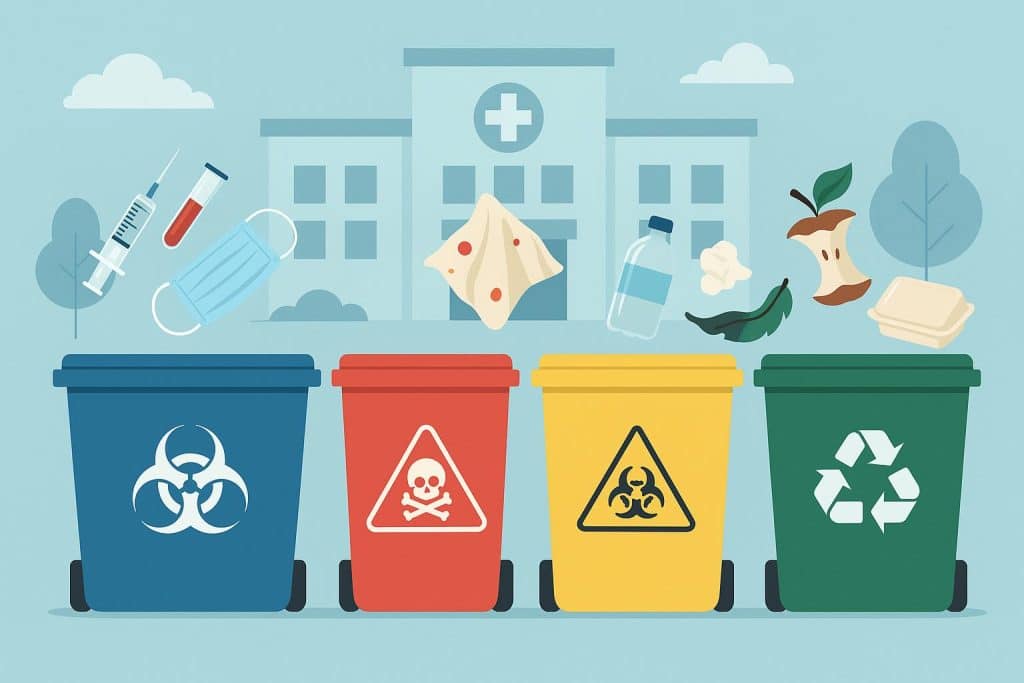
Walk into any hospital, and you will see a busy environment where healing takes place, but risks are also present. Every day, healthcare facilities produce large amounts of waste, from used bandages to chemical containers, and one careless action can put many people in danger. Poor waste segregation is not just a cleaning problem; it is a serious safety issue. Injuries from needles, the spread of infections, and damage to the environment can all happen when waste is not handled correctly. The good news is that hospitals can prevent these risks by following clear protocols and using consistent practices that meet regulations and protect their communities.
Why Proper Waste Segregation Matters in Healthcare Settings?
Hospital waste isn’t created equal. When staff members mix infectious materials with general trash, they’re creating unnecessary exposure points for housekeeping teams, waste handlers, and even the public. Proper segregation at the point of generation prevents cross-contamination and ensures that each type of waste receives the appropriate treatment.
Beyond safety, there is a significant financial consideration. Treating all hospital waste as hazardous increases operating costs exponentially. When you segregate correctly, only truly dangerous materials go through expensive disposal processes, while general waste follows standard protocols. Many hospitals have cut their waste management costs by 30-40% by improving segregation practices.
Compliance requirements also drive the need for meticulous waste separation. Regulatory bodies like OSHA and EPA impose strict guidelines, and violations can result in hefty fines, operational shutdowns, or legal liability. When hospitals categorize and handle waste, such as surgical supplies and laboratory specimens, they create a legally sound compliance framework.
Understanding the Main Categories of Hospital Waste
General Non-Hazardous Waste
This includes paper, cardboard, food waste from cafeterias, and packaging materials that haven’t contacted patients or hazardous substances. These items can follow municipal waste streams and represent about 75-80% of total hospital waste.
Infectious Waste
Materials contaminated with blood, bodily fluids, or pathogens fall into this category. Consider used dressings, gloves after patient contact, microbiology lab culture dishes, and anything else that has come into contact with infectious agents. This waste requires special treatment, usually incineration or autoclaving, before disposal.
Sharps Waste
Needles, scalpels, broken glass, and any items that can puncture skin need immediate placement in rigid, puncture-resistant containers. Sharp injuries remain one of the most common occupational hazards in healthcare, so proper segregation is essential.
Chemical and Pharmaceutical Waste
Expired medications, chemotherapy agents, disinfectants, and laboratory chemicals demand separate handling. These substances can contaminate water supplies or harm sanitation workers if mixed with regular trash.
Setting Up an Effective Color-Coded System
Visual cues eliminate guesswork. Most hospitals use color-coded bins that staff can identify instantly:
- Black bags: General waste that poses no special risks
- Yellow bags: Infectious waste requiring treatment before disposal
- Red containers: Sharps and highly infectious materials
- Blue bags: Pharmaceutical waste and medications
- White containers: Sharp objects with low infection risk
Clear labeling reinforces the color system. Each container should display what belongs inside and what doesn’t. Pictures work better than text alone, especially in facilities with multilingual staff.
Strategic placement matters too. Position segregation bins at the exact spots where waste generates beside procedure tables, in patient rooms, and near medication dispensing areas. When staff must walk across a room to dispose of something properly, shortcuts happen.
Training Your Team for Consistent Compliance
The best segregation system fails without proper training. Before touching a single disposal bag, new hires must receive extensive waste protocol training. But don’t stop there; annual refresher courses catch drift in practices and introduce updates to guidelines.
Hands-on demonstrations beat PowerPoint presentations every time. Show staff members how to properly seal bags, when to replace containers, and what to do if they’re unsure about an item’s classification. Role-playing scenarios in which team members choose which bin receives different types of waste develops muscle memory.
Department-specific training addresses unique challenges. Operating room waste differs from outpatient clinic waste. Emergency departments produce different materials than long-term care units. Tailor your training to reflect what staff actually encounter during their shifts.
Monitoring and Auditing Your Waste Streams
Regular waste audits reveal where your system succeeds and where it breaks down. Random sampling of disposal bins shows whether staff follow protocols or take shortcuts under pressure. Look for patterns; does contamination spike during night shifts? Do certain departments struggle more than others?
Create feedback loops that don’t punish but educate. When audits reveal problems, investigate the root causes. Maybe bins are placed inconveniently, or perhaps staff lack clarity on borderline items. Address systemic issues rather than blaming individuals.
Track key metrics over time:
- Percentage of waste correctly segregated
- Volume of hazardous waste versus total waste
- Needle-stick injury rates
- Disposal costs per department
- Regulatory compliance scores
Handling Special Situations and Gray Areas
Some items are hard to classify. For example, an empty IV bag may seem confusing. Is it infectious waste or general waste? The same goes for gloves used to handle items that are not contaminated. Create clear guides for these common gray areas so staff do not guess.
Large waste events, such as construction work or equipment replacement, bring temporary challenges. Plan ahead by arranging extra containers and giving clear instructions about where these unusual items should go.
Emergency situations put your system under the most pressure. During a disease outbreak or a mass casualty event, the amount of waste increases quickly, and staff may be stressed or overloaded. Your rules must be simple enough to follow even in these difficult moments.
Creating a Culture of Waste Safety
Leadership shapes the culture of a hospital. When administrators highlight the importance of waste segregation in staff meetings and provide enough budget for proper supplies, they send a clear message that this work is important. Strong support from leadership spreads to every department.
Staff should feel comfortable speaking up when something is wrong. If a nurse notices that bins are always full or if cleaning staff report frequent contamination, those concerns should lead to quick investigation and action.
It also helps to reward good performance. Departments that consistently follow proper segregation practices should receive recognition. Positive feedback works better than punishment when you want long-term behavior change.
Conclusion
Effective hospital waste segregation keeps everyone safe, including healthcare workers, patients, waste handlers, and nearby communities. When hospitals use clear categories, color-coded bins, proper staff training, and regular checks, they reduce safety risks and save money on disposal. The goal is to make correct segregation the easiest option by placing bins in the right places, using clear visuals, and building a culture where everyone follows the rules. Waste management is not only about meeting regulations; it is about creating a safe place for healing. Start with small steps, check your progress, and expand your program to make your facility safer for everyone.