

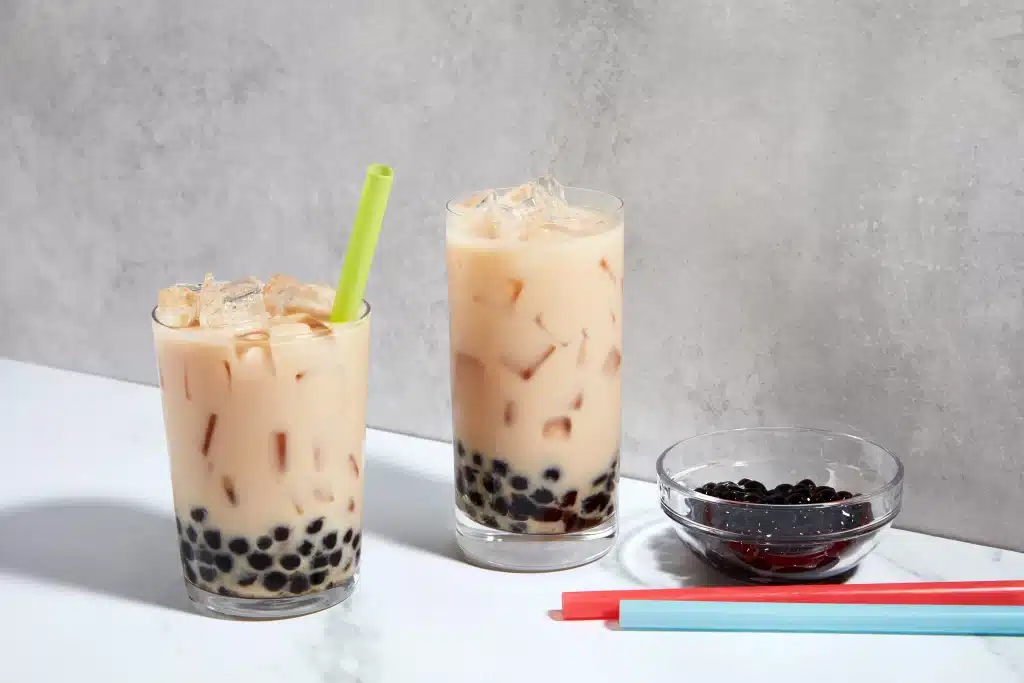
If you have ever walked past a bustling cafe with people sipping colorful drinks through oversized straws, you might have wondered: What is boba? All you need to know about bubble tea starts with understanding this globally beloved beverage. Also known as boba tea, this playful drink is a delightful combination of brewed tea, milk, and chewy toppings that has completely transformed the modern cafe experience (Boba).
The Origins and Anatomy of Boba
To truly appreciate this beverage, we must look at the fascinating history of Taiwanese bubble tea. Invented in Taiwan during the 1980s, the “bubble” originally referred to the frothy foam created when vigorously shaking the tea, not the pearls themselves. Eventually, chewy additions were introduced, creating the modern classic we know today.
So, exactly what are boba pearls made of? They come from cassava root starch. Understanding tapioca pearls ingredients and texture is key to their appeal: the starch is rolled into small balls and boiled with brown sugar or syrup. This process yields a signature “Q” texture—a Taiwanese term for the perfect, addictive chewiness that balances softness and springiness.
Finding Your Perfect Flavor
Navigating a sprawling menu can be overwhelming. The primary choice usually comes down to the difference between milk tea and fruit tea. Creamy milk teas offer a rich, comforting profile, while fruit teas provide a refreshing, tangy, and thirst-quenching kick.
If you are looking for the best bubble tea flavors for beginners, classic black milk tea or roasted brown sugar boba are excellent starting points. For something unique, try taro. The taro milk tea taste profile is sweet, earthy, and nutty, often likened to a blend of vanilla and sweet potato. Keep in mind that the caffeine level in bubble tea varies; black and green teas pack a moderate punch, while fruit-only blends or taro drinks are frequently caffeine-free.
Toppings and Textures
Beyond standard pearls, menus feature many different types of boba toppings, including grass jelly, aloe vera, and egg pudding. When comparing popping boba vs traditional tapioca, the difference is distinct: traditional pearls are dense and chewy, whereas popping boba features a thin, gel-like skin that bursts with fruit juice when bitten.
How to Order and Drink Like a Pro
Following a simple guide to ordering bubble tea at a shop ensures you get exactly what you crave. You will typically select your tea base, flavor, preferred toppings, ice level, and sweetness level.
Many newcomers ask: is bubble tea high in sugar? It certainly can be, but almost all shops allow you to customize your cup. Requesting 25% or 0% sweetness provides much healthier bubble tea options with less sugar. Additionally, plant-based drinkers can easily request vegan bubble tea milk alternatives like oat, almond, or soy milk.
Once your beverage arrives, the proper way to drink boba with a thick straw is to thrust the pointed end firmly through the plastic seal, angle it toward the bottom corner of the cup, and sip steadily so you get a perfect ratio of liquid and chewy pearls in every mouthful.
Bringing the Experience Home
Craving a fun DIY culinary project? Learning how to make boba pearls at home is surprisingly simple, requiring just tapioca starch, water, and dark brown sugar kneaded into dough, rolled, and boiled.
Whether you stick to your favorite local shop or craft a homemade brew, bubble tea offers a highly customizable, deliciously textured drinking experience. Grab your chunky straw and start exploring!