

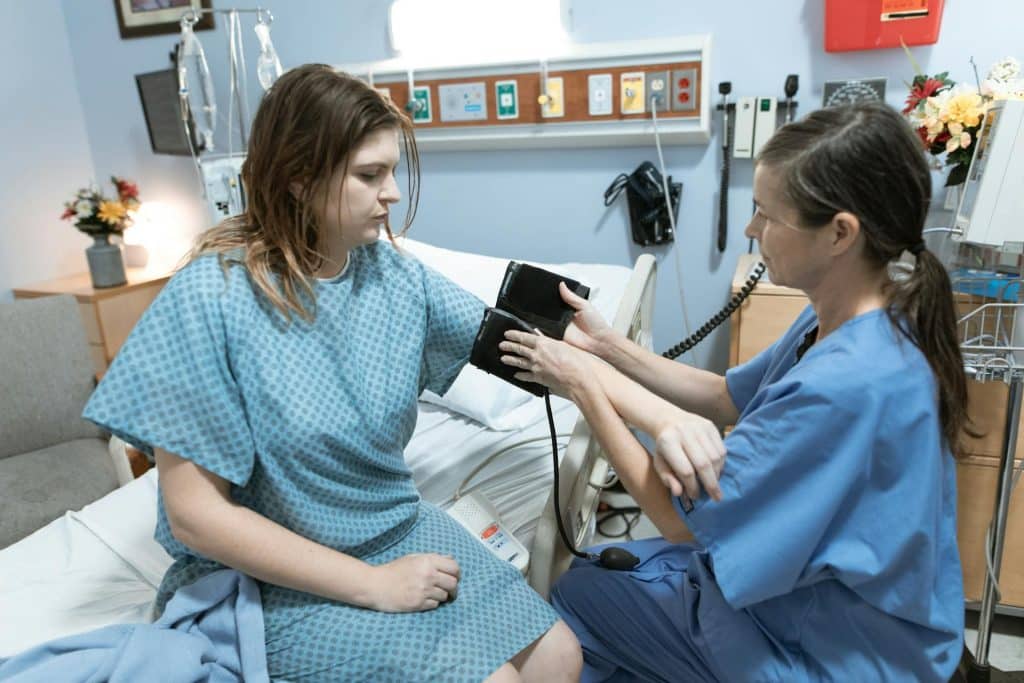
Access to quality healthcare remains uneven across communities. Long wait times, provider shortages, rising costs, and geographic barriers continue to limit how and when people receive care. These challenges affect more than just physical health. They influence financial stability, emotional well-being, and long-term outcomes for individuals and families. While large healthcare systems and policy changes often dominate the conversation, nurses play a direct and powerful role in closing these gaps every day.
Nurses work where care is needed most. They serve in hospitals, clinics, schools, homes, and underserved communities. Their close contact with patients allows them to identify needs early, provide education, and offer consistent support.
This article further highlights how nurses improve access to quality care across different settings and populations.
How Nurses Support Families Across the Care Spectrum
Nurses often serve as the first point of contact for families seeking care. They assess health concerns, provide guidance, and help families understand treatment options. This ongoing interaction allows nurses to build strong relationships with patients of all ages. They support parents managing a child’s illness, adults balancing work and health needs, and older family members who require regular monitoring. Nurses also help families coordinate appointments and follow care plans at home, which improves outcomes. Advanced education further strengthens this role. Qualifications such as a family nurse practitioner masters program expand clinical skills, deepen diagnostic abilities, and allow nurses to manage complex family health needs with greater independence. This level of training enables nurses to deliver more comprehensive and continuous care across generations.
Nurses as Frontline Providers in Underserved Communities
In many underserved areas, nurses act as primary sources of healthcare. Community clinics, schools, shelters, and rural health centers often rely on nurses to deliver essential services. These settings may face physician shortages, making nurses vital to patient access. Nurses provide screenings, manage common illnesses, and connect patients with additional resources when needed. Their consistent presence helps establish trust, especially in communities where residents may hesitate to seek care. By understanding local challenges, nurses tailor their approach to fit cultural, economic, and social realities. This adaptability allows care to reach people who might otherwise remain outside the healthcare system.
Improving Preventive Care and Early Intervention
Preventive care plays a major role in reducing long-term health complications, and nurses lead many of these efforts. They educate patients on healthy habits, encourage routine checkups, and identify early warning signs of illness. Through regular contact, nurses can spot changes in health before they become severe. Early intervention often reduces hospital admissions and lowers healthcare costs. Nurses also help patients understand why prevention matters, which increases participation in screenings and follow-up visits. This proactive approach supports healthier communities and eases strain on healthcare facilities.
Expanding Care Through Telehealth and Digital Services
Telehealth has changed how patients access care, and nurses are key to its success. They guide patients through virtual visits, monitor symptoms remotely, and provide follow-up support. For individuals in remote areas or those with mobility challenges, digital services reduce travel and wait times. Nurses ensure that patients feel comfortable using technology and understand care instructions after virtual appointments. Their involvement helps maintain continuity and quality, even when care occurs outside traditional settings. As digital healthcare grows, nurses continue to bridge the gap between technology and patient-centered care.
Addressing Health Education and Literacy Gaps
Many patients struggle to understand medical information, which can limit their ability to make informed decisions. Nurses help close this gap by explaining conditions, treatments, and medications in clear and practical terms. They take time to check understanding and encourage questions, which builds confidence and trust. When patients understand their care, they are more likely to follow treatment plans and attend follow-up visits. Nurses also tailor education to cultural and language needs, which reduces misunderstandings and improves engagement. By strengthening health literacy, nurses empower patients to take an active role in managing their well-being.
Coordinating Care Across Multiple Providers
Healthcare often involves several providers, tests, and appointments, which can overwhelm patients. Nurses help organize this process by coordinating communication between physicians, specialists, and support services. They ensure that care plans remain consistent and that important information does not get lost. This coordination reduces delays, prevents duplicated tests, and lowers the risk of errors. Nurses also guide patients through transitions, such as hospital discharge or referral to another provider. Their oversight creates a smoother experience and helps patients stay connected to the care they need.
Supporting Chronic Disease Management
Chronic conditions require ongoing attention, lifestyle adjustments, and regular monitoring. Nurses play a steady role in helping patients manage these demands. They track symptoms, review medications, and provide guidance on daily care routines. This consistent support helps patients recognize changes early and seek help before complications arise. Nurses also encourage realistic goal setting, which makes long-term management feel more achievable. Through regular check-ins and education, they help patients maintain stability and improve quality of life.
Advocating for Patient Needs Within the Healthcare System
Patients often face challenges navigating healthcare systems, especially when dealing with complex conditions or limited resources. Nurses act as advocates by ensuring that patient concerns are heard and addressed. They speak up when care plans need adjustment and help patients access services they qualify for. Advocacy also involves protecting patient rights and supporting ethical care decisions. Nurses use their knowledge and experience to guide patients through difficult situations with clarity and compassion. This role strengthens trust and helps ensure that care aligns with patient needs and values.
The Growing Role of Advanced Practice Nurses in Expanding Access
Advanced practice nurses, including nurse practitioners, continue to expand access to care in many communities. They provide primary care services, manage chronic conditions, and support preventive health efforts. In areas with provider shortages, these nurses help reduce wait times and improve continuity. Their advanced training allows them to assess, diagnose, and treat patients with a high level of competence. As healthcare demands increase, advanced practice nurses offer a flexible and effective way to meet patient needs while maintaining quality care.
Improving access to quality healthcare depends on people who understand both clinical demands and human challenges. Nurses bring that balance to every interaction. Their work shapes how patients experience care, how systems function, and how communities stay healthy. As healthcare continues to change, the influence of nurses will only grow. Supporting their education, leadership, and expanded roles creates a stronger foundation for care that reaches more people and responds to real needs.