

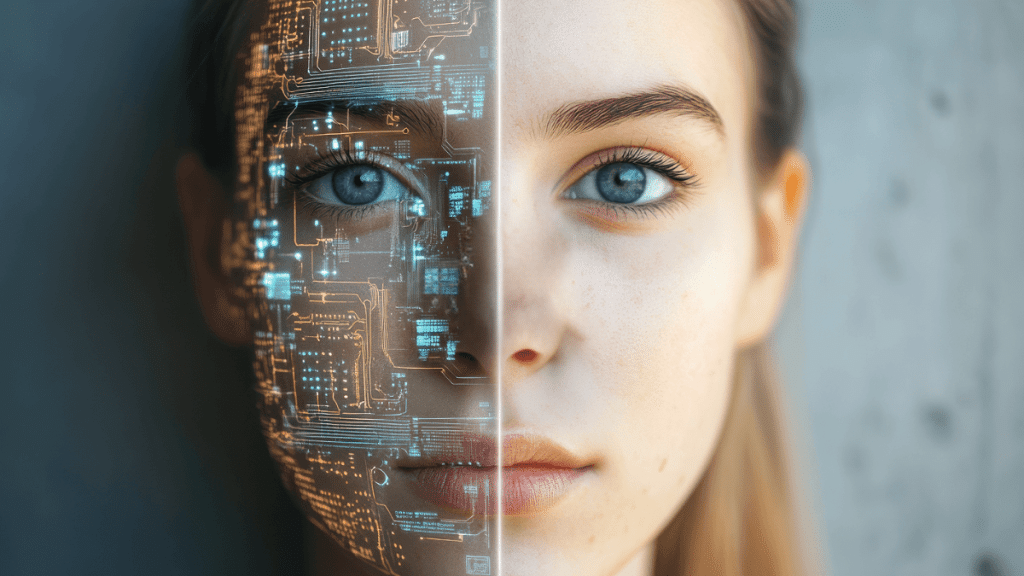
In 2025, AI-generated content is no longer the exception—it’s the norm. From blog posts and product descriptions to student essays and entire books, artificial intelligence is everywhere. But as AI becomes more seamless and lifelike, a new type of tool has emerged in response: Humanizer AI platforms that convert robotic-sounding content into language that mimics authentic human writing.
These tools promise to make AI output more engaging, natural, and, in some cases, undetectable by AI detectors. But that raises a bigger question for users, educators, and businesses alike: Can I trust Humanizer AI?
What Exactly Is a Humanizer AI?
A Humanizer AI is software that transforms generative AI output into text that appears more human-written. It adjusts tone, sentence structure, word choice, rhythm, and even subtle nuances—essentially bridging the gap from AI to human.
Some tools offer tone selection (friendly, formal, persuasive), while others focus specifically on helping content pass AI detection tools. This dual functionality has led to both admiration and criticism: on one hand, they help creators polish content; on the other, they raise questions about transparency and ethics.
Trust Depends on Intent — and Transparency
The first thing to understand is that Humanizer AI isn’t inherently deceptive. In fact, many professionals use it responsibly to:
- Improve clarity and tone in client emails
- Make AI-generated drafts sound less robotic
- Rewrite technical or stiff content for a wider audience
In these cases, the tool serves as a stylistic editor—much like Grammarly or Hemingway—but designed for AI-originated text.
Where trust begins to fray is when these tools are used solely to evade AI detection or misrepresent authorship in academic or professional contexts. If you’re submitting content with an implied claim of originality—such as a school essay or job application—you’re walking a fine ethical line.
The Rise of Dual Tools: HumanizerAI.com in Focus
One of the more talked-about platforms today is HumanizerAI.com, which not only rewrites AI-generated text into human-like prose but also includes an AI detector feature. This dual-purpose model helps users understand what triggers detection algorithms while offering tools to reduce AI signals in their content.
Users can paste AI-generated content into the system and receive a rewritten version that sounds more organic—closer to how a person might speak or write. It’s useful for marketers, bloggers, and non-native English speakers trying to make their content more relatable. But HumanizerAI.com has also been mentioned in debates about “masking” AI writing for dishonest purposes.
So, can you trust it?
The answer depends not just on the tool itself, but on how you use it.
What Are the Risks?
There are a few caveats to keep in mind before fully relying on any Humanizer AI tool:
⚠️ Ethical Gray Zones
Using a humanizer to polish a rough AI draft is very different from using it to cheat on an assignment or deceive a publisher. Misuse can damage credibility, especially as more institutions adopt AI detection policies.
🧠 Loss of Meaning or Accuracy
Over-humanizing content can strip out technical precision or cause subtle shifts in tone that alter the intent of the original message. Always review output carefully.
🔐 Data Privacy Concerns
Some tools store or process content on external servers. It’s essential to review privacy policies to ensure sensitive information isn’t saved or reused.
Use Cases Where Humanizer AI Excels
Despite the concerns, many users report significant benefits when using AI humanizers as part of a broader content workflow:
- Content creators use it to make ChatGPT or Claude responses more vivid and emotionally engaging.
- Small business owners use it to create marketing copy that sounds less formulaic.
- Non-native speakers rely on it to make their writing flow more naturally in English.
In these scenarios, the goal isn’t to deceive—it’s to translate mechanical phrasing into human warmth. It’s a classic example of AI helping humans—not replacing them.
Verdict: Can You Trust Humanizer AI?
Yes—but only if you use it transparently and ethically.
Humanizer AI tools, especially platforms like HumanizerAI.com, are valuable when used for tone improvement, content refinement, and clarity enhancement. They help bridge the gap from ai to human communication in a digital world where authenticity still matters.
However, as with any powerful tool, responsibility lies with the user. If your intention is to mislead—whether a reader, professor, or client—then the question isn’t whether the tool is trustworthy, but whether you are using it in a trustworthy way.
In the age of artificial intelligence, trust isn’t just about algorithms. It’s about how we, as humans, choose to use them.