

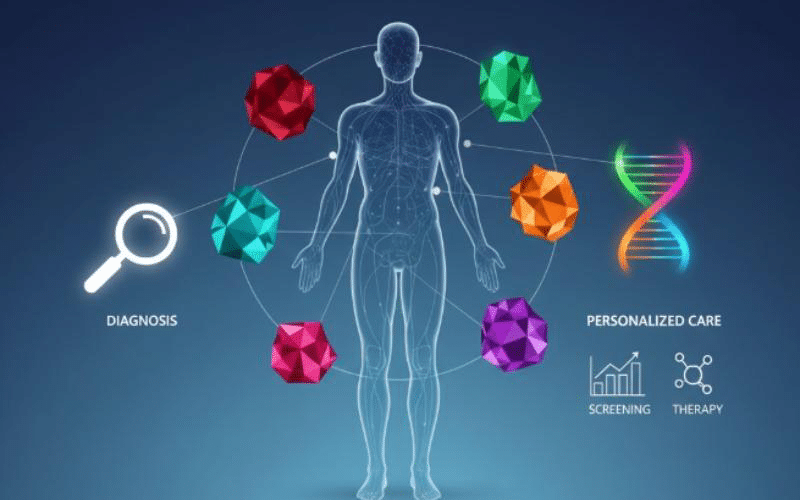
Cancer is not a single disease, it is a broad term used to describe abnormal cell growth that can invade healthy tissues and spread to other parts of the body. What truly separates one diagnosis from another is where the cancer starts and the type of cells involved.
Doctors classify cancer into different cancer types based on these characteristics, because each behaves differently, responds to different treatments, and carries its own outlook. For example, cancers affecting the blood like leukemia require completely different treatment approaches compared to solid tumors such as breast or lung cancer.
Despite major advancements in medicine, early detection remains one of the most influential factors in treatment success. Knowing how cancer forms, where it originates, and what symptoms to look out for can help individuals take action sooner, sometimes long before the disease becomes advanced.
Most Common Cancer Types Worldwide
Cancer can develop in almost any part of the body, but some types are more frequently diagnosed across the world. Each comes with its own set of risk factors, symptoms, and treatment strategies:
- Lung Cancer
Closely linked with smoking but also seen in non-smokers due to pollution, radon exposure, or genetic factors. - Breast Cancer
Common in women (and less often in men). Early detection through regular screenings significantly improves outcomes. - Prostate Cancer
One of the most diagnosed cancers in men, often slow-growing and more treatable when found early. - Colorectal Cancer
Can develop quietly over years, typically starting as polyps in the colon or rectum. Screening plays a key role. - Skin Cancer
Often related to UV exposure. Melanoma, the most aggressive form, requires early medical attention
While these cancers are more common, their impact varies widely depending on when they are detected and how quickly treatment begins. This is why recognizing early warning signs and understanding one’s personal risk factors are critical.
Rare but Significant Cancer Types
Some cancers are less common but require just as much awareness due to their aggressive nature or diagnostic complexity. These include:
- Lymphoma
Cancer of the lymphatic system, affecting immune cells. It can occur at any age and sometimes progresses rapidly. - Leukemia
A blood cancer originating in the bone marrow, leading to abnormal white blood cell production. - Pancreatic Cancer
Typically difficult to detect early because symptoms often appear only after the disease has advanced. - Sarcomas
Cancers arising from bone or soft tissues such as muscle or fat; often seen in younger individuals. - Brain and Central Nervous System Tumors
Can significantly impact speech, movement, and cognition depending on location.
Rare cancers pose additional challenges: fewer treatment protocols, limited research data, and reduced screening tools. Because they are harder to recognize, awareness becomes a key part of early diagnosis.
Understanding both common and uncommon cancers helps patients ask better questions and advocate for timely evaluations.
Why Knowing Your Cancer Type Matters
Every cancer behaves differently even two tumors that appear similar on the surface can require very different treatment plans. This is why understanding your exact cancer type is critical. It helps doctors:
- Identify how fast the cancer is likely to grow
- Determine whether it can spread to other parts of the body
- Choose the most effective treatment strategies
- Use targeted tests to monitor progress or detect recurrence
- Explore personalized therapies based on genetics or biomarkers
In 2025, the approach to cancer care is increasingly individualized. That means treatments are often guided by:
- Tumor origin (where the cancer first appeared)
- Cell structure and biomarkers
- Genetic mutations
- Overall health and patient preferences
Up-to-date medical resources on different cancer types can help patients better understand their diagnosis, what questions to ask, and which therapies may be available beyond standard options. The more patients know about the specifics of their disease, the more confidently they can participate in decision-making throughout their care.
2025 Trends in Cancer Treatment
Cancer care is undergoing a major shift, one driven by smarter diagnostics, more targeted therapies, and technology that helps match the right patient to the right treatment at the right time.
Here are the most impactful advances shaping treatment options today:
Precision Medicine
Rather than taking a “one-size-fits-all” approach, doctors now tailor therapies based on a patient’s individual tumor biology. Genetic testing reveals which mutations are driving cancer growth, unlocking more effective treatment paths.
Immunotherapy
Instead of attacking cancer directly, immunotherapy activates the immune system to find and destroy harmful cells. It has already changed outcomes for patients with lung cancer, melanoma, and lymphoma with more breakthroughs underway.
Targeted Drugs
These therapies block specific molecular mechanisms that cancer cells rely on to survive. They often come with fewer side effects and better response rates compared to traditional chemotherapy.
Early Screening & AI-Assisted Detection
Artificial intelligence helps radiologists detect abnormalities sooner and identify patterns that might be missed by the human eye. Earlier diagnosis = higher survival chances.
Global Access to Clinical Trials
With hundreds of new medications being tested each year, many patients gain access to next-generation treatments long before they reach the market.
Reliable resources that organize and track diverse cancer types make it easier for patients and caregivers to stay informed about what’s emerging worldwide.
Cancer treatment in 2025 is not just about extending life it’s increasingly about preserving quality of life, independence, and hope.