

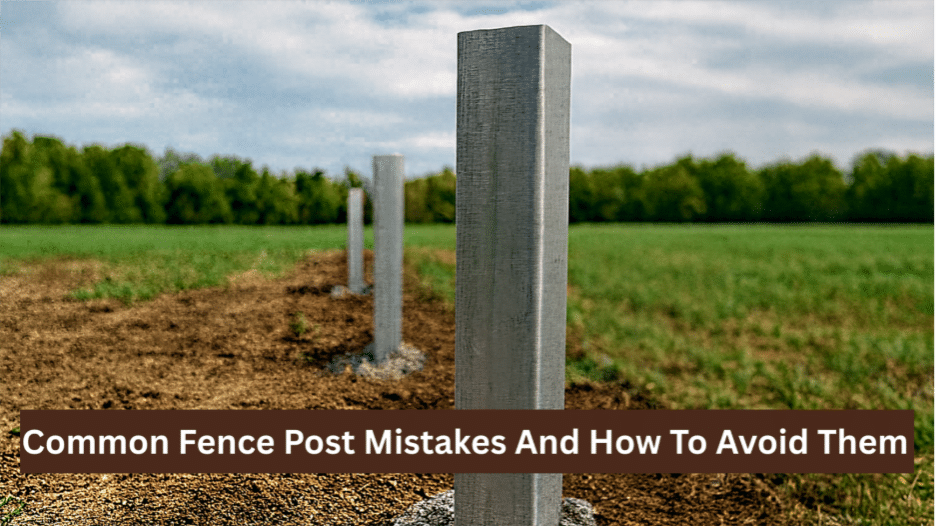
Installation of the fence should be a simple task, yet many homeowners encounter leaning posts, shifting panels, and repairs that appear much earlier than anticipated. These frustrations are usually caused by minute installation errors that seem harmless at first but gradually weaken the whole structure.
As each issue builds on the next, the fence loses strength long before the materials wear out, turning a reliable outside feature into a frequent maintenance problem.
This article outlines the most common mistakes in fence posts and demonstrates to you how you can prevent them.
1. Skipping Proper Planning and Measurement
When setting a fence post, the temptation to start digging quickly often leads to an inaccurate or uneven installation.
Start by mapping your fence with the help of stakes and string. This easy step creates a clear visual guide that helps you maintain straight lines and consistency with the spacing. Next, survey property boundaries. This will help avoid arguments and the necessity of repositioning in the future.
Next, pay attention to the location of gates. Misjudging this area can lead to poor spacing, which can impact nearby posts and put strains on hinges and panels. Planning your gate width, direction of swing, and clearance ahead of time enhances overall balance.
Additionally, consider the use of the fence. Privacy, containment, or decorative interests will all affect the requirements of spacing, the height of the post, and stability. Proper planning saves time and ensures that all components of the installation are compatible.
2. Digging Shallow or Narrow Post Holes
Mistakes underground often cause the most damage on the surface. When the post holes are too shallow, the fence becomes vulnerable to wind, soil expansion, and seasonal movement. When holes are too narrow, the concrete and gravel can not settle uniformly, resulting in poor support.
A reliable standard is to dig each hole at least one-third the length of the post. If you live in a cold climate, ensure that you go below the frost line, as the frost heave causes the post to rise over time. Broad holes also help stabilize the structure by providing more room for backfill and drainage.
Use a post-hole digger/ auger to ensure uniform depth throughout the project. After digging, measure the depth of the hole again, before placing the post. This ensures uniformity and helps avoid misaligned rails or panels.
Proper hole preparation is one of the simplest ways to make the entire fence stronger and reduce future movement.
3. Ignoring Soil Conditions and Drainage Needs

Soil type determines the level of stability of your fence. Clay-heavy soil expands when it is wet, sandy soil moves under pressure, and rocky soil makes digging unpredictable. When these factors go unnoticed, posts can experience premature rot, tilting, or complete failure.
Begin by examining the soil in each digging location. In case of bad drainage, add gravel to the base of each hole. This enables the water to flow off the post rather than around the bottom of the post, which is especially important for teel posts due to moisture-related decay.
Also consider surface grading. If your yard slopes, the depth of the posts needs to be slightly varied to ensure that the top of the fence remains level. Additionally, the concrete should be molded in a way that promotes water flow instead of pooling around the post.
Taking the soil conditions seriously ensures your fence responds better to the weather variations and ground movement.
4. Using the Wrong Post Material or Low-Quality Supplies
Material choice is a foundational decision that determines how well your fence holds up over time. Inferior posts bend, crack, or rot faster, even with excellent installation techniques.
Use galvanized or powder-coated steel posts that have the ability to withstand rust, weather changes, and ground moisture. Thickness matters, so choose a gauge that is robust enough to handle the wind load and the weight of attached panels. Additionally, install steel brackets and corrosion-resistant fasteners to ensure that all the connections remain stable over time.
Quality accessories are also important. Poor quality brackets, weak screws, or low-grade concrete make the whole structure weak. Investing in reliable material from the beginning ensures a fence that stays straight, rigid, and reliable over the years.
5. Improper Concrete Mixing and Setting
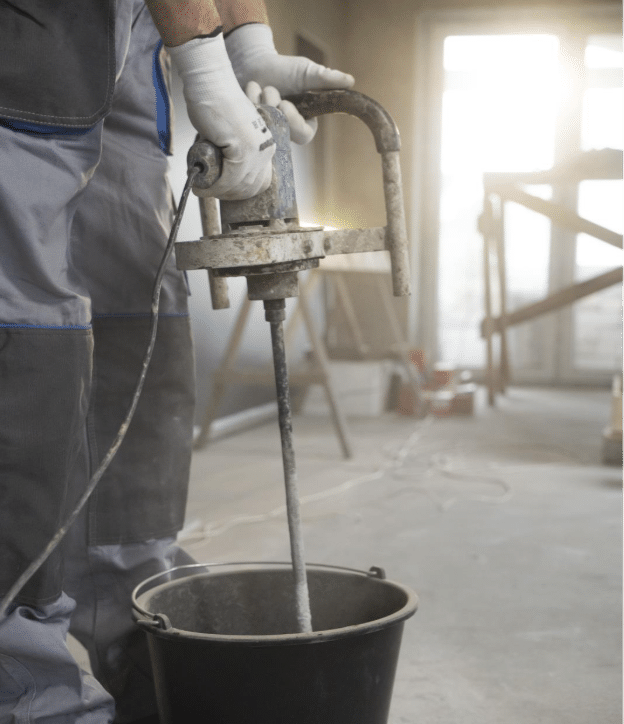
Concrete supports most of the structural load, yet failures often occur when it’s mixed or poured incorrectly. Poor preparation creates weak bases, wobbling posts, and uneven curing.
Follow the manufacturer’s water-to-mix ratio. Too much water weakens the finished product, while too little prevents proper bonding. Mix until the texture is smooth and workable, then pour in stages to avoid air pockets.
As the concrete sets, use a level to ensure the post stays plumb. Even a slight leaning becomes more noticeable once panels attach.
Finally, allow the concrete to cure completely before adding additional components so the base can support long-term stability.
6. Failing to Maintain the Posts After Installation
Fence installation doesn’t end when the concrete cures. Without maintenance, even sturdy fences gradually weaken over time.
Inspect your fence each season and check for rust, soil erosion, or shifting around the base. If the soil recedes, add backfill to keep the posts supported. Addressing issues early prevents more serious structural problems later.
Tighten loose hardware and monitor steel brackets, bolts, and fasteners. Temperature changes and vibration can cause gradual movement. If you notice oxidation beginning on steel posts, apply a rust-resistant coating to strengthen protection. Clean, well-maintained contact points keep the entire structure secure throughout the year and remain durable.
Final Thoughts
Fence post failures rarely come from one major error. Instead, they arise from a series of small but avoidable oversights. By planning thoroughly, respecting soil conditions, choosing reliable materials, mixing concrete correctly, and maintaining your posts over time, you create a fence that remains straight, sturdy, and dependable for years.
With the right approach, every post works together to support a fence that performs exactly as expected—season after season.