

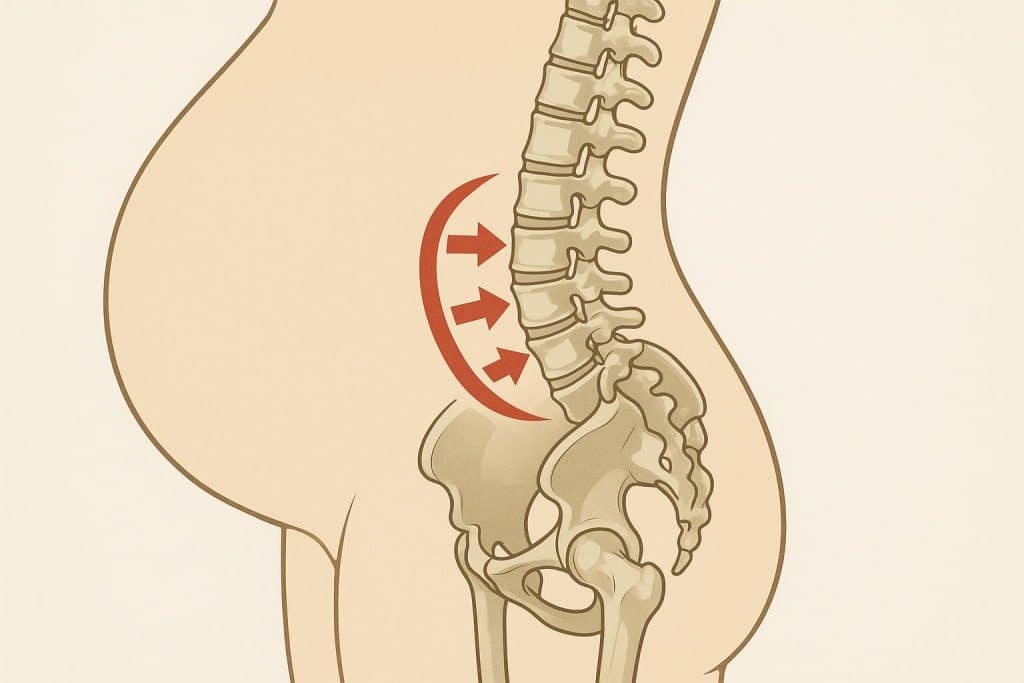
Pregnancy is a remarkable and transformative experience — but it also places extraordinary physical demands on the body. As your baby grows, your centre of gravity shifts, hormones alter ligament stability, and posture adapts to accommodate your changing shape. For many women, this leads to temporary discomfort. For others, it can trigger more significant spinal conditions that require professional assessment and management.
Understanding the most common spinal conditions triggered by pregnancy can help you recognise symptoms early and take proactive steps to protect your long-term spinal health.
Why Pregnancy Affects the Spine
During pregnancy, the body releases a hormone called relaxin. Its purpose is to loosen ligaments in preparation for childbirth — but it doesn’t only affect the pelvis. Ligaments supporting the spine can also become more flexible, reducing stability. At the same time:
- Your centre of gravity moves forward
- The lower back develops increased curvature (lumbar lordosis)
- Core muscles stretch and weaken
- Weight gain increases spinal load
- Sleep positions change
Supportive strategies, including gentle exercise, physiotherapy, and even properly designed maternity sleeping pillows, can make a meaningful difference in reducing strain overnight when spinal tissues are trying to recover. When these biomechanical and hormonal changes combine, certain spinal conditions become more likely.
Pregnancy-Related Low Back Pain
Low back pain is the most common spinal complaint during pregnancy. It typically presents as a dull ache across the lumbar region and may worsen with prolonged standing, walking, or sitting. Why It Happens:
- Increased lumbar curvature
- Weakening abdominal muscles
- Pelvic ligament laxity
- Additional body weight
In many cases, this pain resolves after childbirth, but persistent symptoms shouldn’t be ignored. Early intervention can prevent chronic pain patterns from developing.
Pelvic Girdle Pain (PGP)
Often confused with general back pain, pelvic girdle pain is a distinct condition affecting the sacroiliac joints and pubic symphysis. It may cause:
- Sharp pain in the buttocks or hips
- Difficulty walking or climbing stairs
- Pain when rolling over in bed
- Clicking or grinding sensations in the pelvis
PGP is directly linked to ligament relaxation and altered pelvic stability during pregnancy. Targeted physiotherapy and pelvic support strategies can significantly reduce discomfort.
Sciatica
Sciatica occurs when the sciatic nerve becomes irritated or compressed. Pregnancy increases the risk due to:
- Postural changes
- Pelvic alignment shifts
- Increased pressure from surrounding tissues
Symptoms may include:
- Radiating pain down one leg
- Tingling or numbness
- Muscle weakness
While mild nerve irritation is common, persistent or severe symptoms should be assessed to rule out disc involvement.
Lumbar Disc Strain or Bulging
Although less common than general back pain, disc strain or bulging can occur during pregnancy, particularly in women with a history of spinal issues. Increased lumbar curvature and mechanical stress can place pressure on intervertebral discs. Symptoms may include:
- Localised sharp back pain
- Pain aggravated by bending
- Referred pain into the legs
Proper lifting techniques, posture awareness, and core stability exercises are critical preventative measures.
Thoracic Spine Pain
As the breasts enlarge and posture shifts forward, the upper and mid-back may also become strained. Many pregnant women develop:
- Shoulder blade discomfort
- Tightness between the shoulder blades
- Headaches related to upper spinal tension
This is often linked to rounded shoulder posture and muscle fatigue.
Postural Dysfunction
Pregnancy frequently exaggerates postural imbalances. Increased lumbar lordosis combined with forward head posture and rounded shoulders can create a chain reaction of muscular strain. If not corrected postpartum, these adaptations can persist long after delivery — especially with the added demands of feeding, carrying, and lifting a newborn.
When to Seek Professional Help
While some spinal discomfort during pregnancy is expected, you should seek professional advice if you experience:
- Severe or worsening pain
- Numbness, tingling, or weakness
- Difficulty walking
- Pain that interferes with sleep
- Symptoms that persist after birth
Early management often prevents more complex spinal problems later.
Managing and Preventing Pregnancy-Related Spinal Conditions
There are several safe and effective strategies to reduce spinal strain during pregnancy:
- Maintain Gentle, Pregnancy-Safe Exercise: Strengthening deep core and pelvic stabilisers can significantly improve spinal support.
- Optimise Sleep Position: Side sleeping with proper spinal alignment is key. Support between the knees and under the abdomen reduces torsion through the lumbar spine.
- Practice Good Lifting Technique: Avoid twisting and bending from the waist. Squat and use your legs whenever possible.
- Prioritise Posture: Be mindful of standing and sitting posture, especially if working at a desk.
- Seek Physiotherapy Support: A qualified practitioner experienced in prenatal care can provide tailored strategies and safe treatment.
The Postpartum Period is a Critical Window
Many women assume back pain will disappear once the baby is born. While some improvement occurs, the postpartum period introduces new physical demands — lifting capsules, breastfeeding posture, disrupted sleep, and reduced core strength. If pregnancy-related spinal issues are not properly addressed, they can evolve into chronic conditions.
Pregnancy is a season of profound change — and your spine works incredibly hard to support that transformation
While spinal discomfort is common, significant pain is not something you simply have to “put up with.” Recognising the early signs of pregnancy-triggered spinal conditions, investing in proper support, and seeking professional guidance when needed can protect both your comfort during pregnancy and your long-term spinal health.
Your body is doing something extraordinary. Supporting your spine through that journey is one of the best investments you can make in your overall wellbeing.