

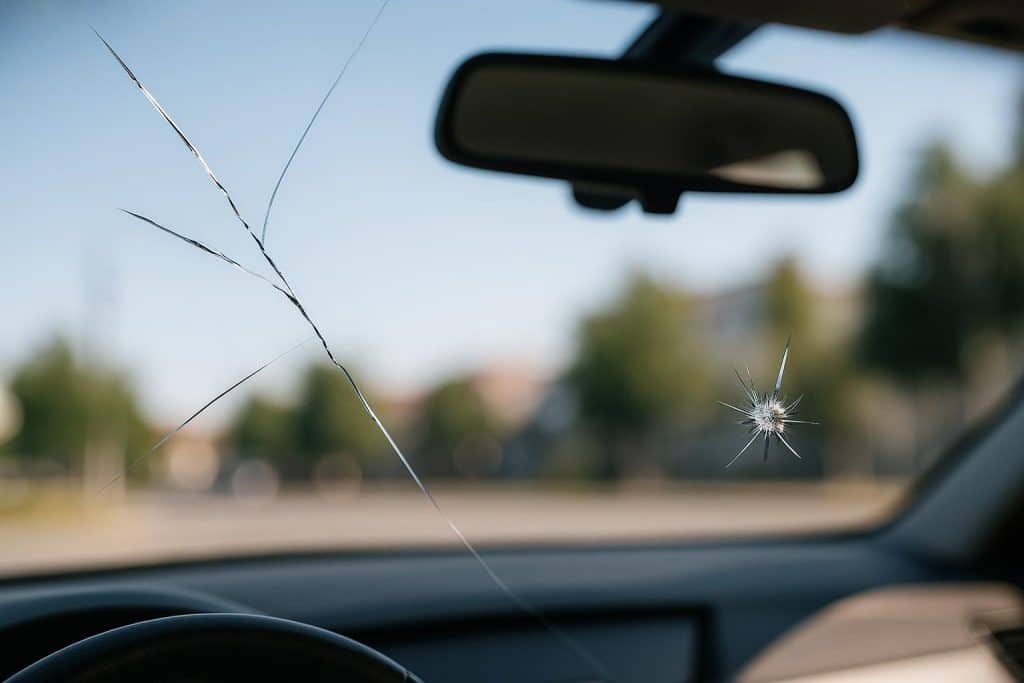
A clear front glass plays a vital role in maintaining safety and steady vision. Even a tiny flaw can change how light moves through the surface and create a distraction during busy moments. Many drivers feel unsure when they spot a sudden mark because it is hard to judge the seriousness at first glance. Some small faults remain stable while others spread silently across the surface. Understanding the signs early gives you the confidence to choose the right step instead of delaying action. Each type of damage behaves differently, so recognising the pattern helps you avoid confusion and protects your long-term safety. When you approach the decision with simple, practical knowledge, you can manage both cost and protection without unnecessary stress.
Minor Damage Basics
Not every surface mark needs full replacement because some shallow flaws remain stable for long periods. A careful check helps you understand whether a quick repair can restore strength. The outer layer absorbs most minor impacts, and many small chips remain confined to this thin section. When a mark is short, shallow, and clean, it often responds well to a prompt fix. A trained technician can fill the gap and restore structural support, especially when the damaged spot on the windscreen has not spread beyond its original size. Acting early prevents stress from pushing the flaw deeper and avoids larger problems later on.
Signs Repair Is Enough
Small marks with limited depth often respond well to simple restoration work. The points below outline the usual signs that light damage can be repaired safely.
- Tiny surface blemish stays shallow with a circular outline that remains steady
- Clear edged chip does not collect moisture and stays within the outer surface layer
- Short line rests away from centre view and remains unchanged after temperature shifts
- Star shaped mark stays compact with no spreading lines around the central point
- Rounded imprint looks smooth and remains stable after several days of regular driving
When Damage Becomes Serious
Some forms of harm weaken the entire pane and demand stronger action. Long cracks spread silently and reach deeper layers where strength matters most. When flaws bend light or disturb clear sight, they create stress for the eyes during day and night conditions. Deep breaks also increase the chance of sudden failure when the frame shifts over uneven paths. Chips close to the edges require extra care because that outer zone supports the structure around the glass. Understanding these warning signs helps you choose a safer decision instead of relying on temporary fixes.
Clear Clues You Need Replacement
When the glass has lost too much strength, full replacement becomes the safest solution. These signs commonly indicate the need to change the entire pane.
- Long crack reaches across a wide section and continues to grow with daily use
- Several chips sit close together and form a spreading pattern that weakens the area
- Deep break touches the inner layer and shows clear distortion from inside view
- Light reflection bends through the damaged region and creates glare for the driver
- Chip forms very near the outer border where structural support is most crucial
How Size And Location Matter
The length and position of the flaw play major roles in choosing repair or replacement. Tiny marks often stay stable, while larger faults create stress every time the frame moves. A long crack puts pressure across the surface and responds poorly to simple repair methods. Even a small fault becomes serious when it sits directly in front of your eyes because it distracts attention and affects clear sight. Damage near sensor areas or delicate zones also needs professional inspection because improper treatment may affect essential functions. When you understand how size and placement influence safety, you can make a steady and confident choice.
Everyday Habits That Protect The Glass
Daily care reduces strain on the surface and slows down spreading once a flaw appears. Simple habits preserve clarity and protect the structure from avoidable harm. These steps do not replace professional help, but they support long-lasting strength.
- Avoid sudden heat blasts across a cold pane since changing temperature can widen cracks
- Use a soft cloth with gentle cleaning liquid to prevent tiny scratches from forming
- Prevent sharp objects from touching the inside surface to avoid marks that weaken it
- Choose shaded spots when possible to reduce constant heat buildup on the surface
- Handle areas near damaged spots gently since extra pressure often worsens existing flaws
Choosing A Trustworthy Glass Service
Once you understand the severity of the mark, the next step is selecting a reliable service. A skilled technician explains the condition clearly and suggests the safest method rather than pushing unnecessary work. They check depth, length, and structure before recommending repair or replacement. Good repair work leaves a smooth finish with minimal visual trace once the special material sets. When full replacement is needed, proper bonding ensures lasting strength and prevents future leaks. Taking time to pick a dependable service keeps the surface stable and supports safe travel in all conditions.
Clear Glass Choices
Damage on the front pane is more than a simple mark. It affects visibility, structure, and safety. When you judge the size, shape, and location of each flaw, the decision becomes simpler and more grounded. Small chips caught early can be restored, while long or deep cracks call for a fresh pane. Acting early reduces cost and prevents sudden spreading that may lead to greater harm. A thoughtful approach keeps your windscreen strong and helps you move forward with steady confidence.