

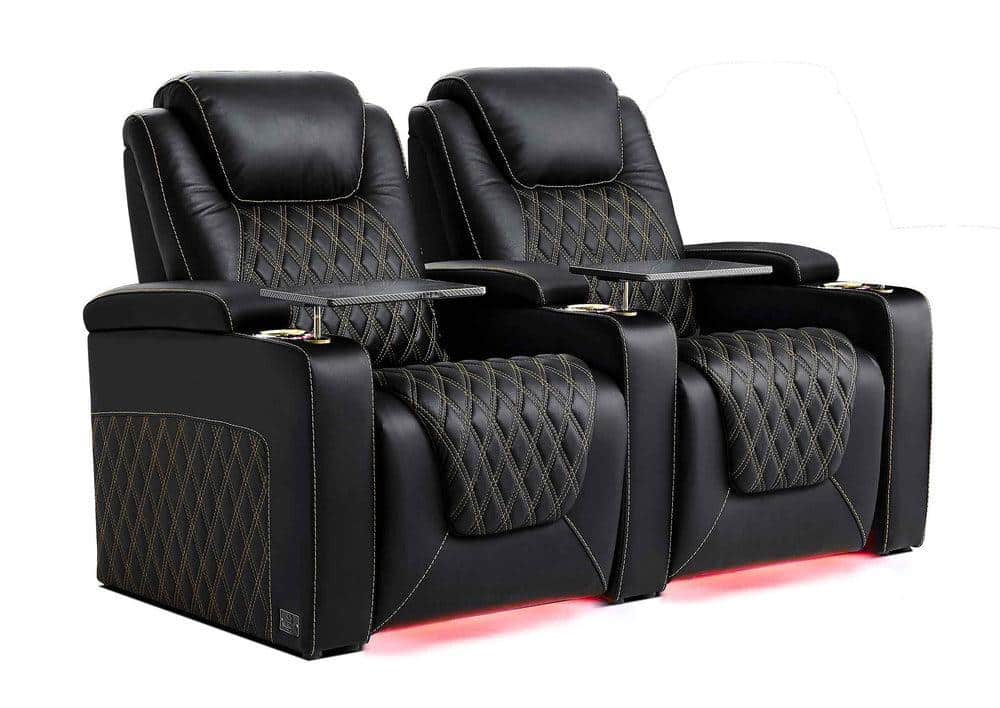
Picture this: the lights dim, the screen flickers to life, and you sink into a perfectly sized seat beside someone you love, close enough to share a whispered reaction or steal a handful of popcorn. This is the movie night you deserve—yet so many home entertainment setups fall short of delivering that warmth. Oversized sectionals leave you sitting apart, while individual recliners isolate you entirely. The seating feels more like a waiting room than a sanctuary built for two. Enter the loveseat—a piece of furniture designed specifically to bring people together in a shared, comfortable space. Whether you’re a couple craving connection during your weekend binge-watch or a pair of friends who want to game side by side, a loveseat transforms passive viewing into an intimate viewing experience. In this article, we’ll explore why loveseats excel in home theaters, how they compare to other theater seating options, ways to customize them for your unique space, and practical tips for staying comfortable through even the longest marathons. If you’ve been searching for seating that feels personal rather than generic, read on.
Why a Loveseat is Perfect for an Intimate Viewing Experience
A loveseat is a compact, two-person seat that originated centuries ago as a wide chair designed for the voluminous skirts of the era—but today, it serves a far more purposeful role in home entertainment. Unlike a full sofa that spreads people out or a single recliner that walls you off, a loveseat is engineered around togetherness. The proportions are deliberate: typically 50 to 70 inches wide, it gives two people enough room to sit comfortably without creating unnecessary distance. This makes it the ideal foundation for an intimate viewing experience where shared reactions—a gasp during a thriller, laughter during a comedy—happen naturally because you’re physically close.
For home theaters where square footage is at a premium, a loveseat delivers significant space-efficient benefits. It occupies roughly half the footprint of a three-seat sofa while still providing generous seating for two. That freed-up space can go toward better speaker placement, a wider walking path, or even a second loveseat arranged at a slight angle for small group screenings. The adaptability of this seating style is what makes it so well-suited to tailored arrangements; you can position it centrally for the optimal viewing angle without the compromises that come with bulkier furniture.
Key Benefits for Entertainment Enthusiasts
Beyond the spatial advantages, a loveseat fundamentally changes the social dynamic of watching at home. When two people share a loveseat during a movie night or a co-op gaming session, conversation flows more easily, and the experience feels collaborative rather than parallel. You can hand off a controller without stretching across a gap, or lean into each other during a tense scene without awkwardly bridging an armrest. Compared to solitary seating options that prioritize individual isolation, the loveseat creates a communal atmosphere that turns ordinary entertainment into something memorable—a feeling that no amount of surround sound or screen resolution can replicate on its own.
Comparing Loveseats with Other Theater Seating Options
Choosing the right theater seating options starts with understanding what each style does well—and where it falls short. A loveseat prioritizes shared space and closeness, making it the strongest choice when intimacy and connection matter most. A recliner chair, by contrast, is built for individual luxury: deep cushioning, independent footrests, and sometimes even power-adjustable positions that let one person dial in their perfect posture. The trade-off is isolation. Two recliners placed side by side still leave a gap—physical and emotional—that a loveseat eliminates by design. Sectionals occupy the opposite end of the spectrum, offering sprawling seating for groups of four or more, but their sheer size dominates a room and often forces some viewers into off-angle positions where the screen doesn’t look quite right.
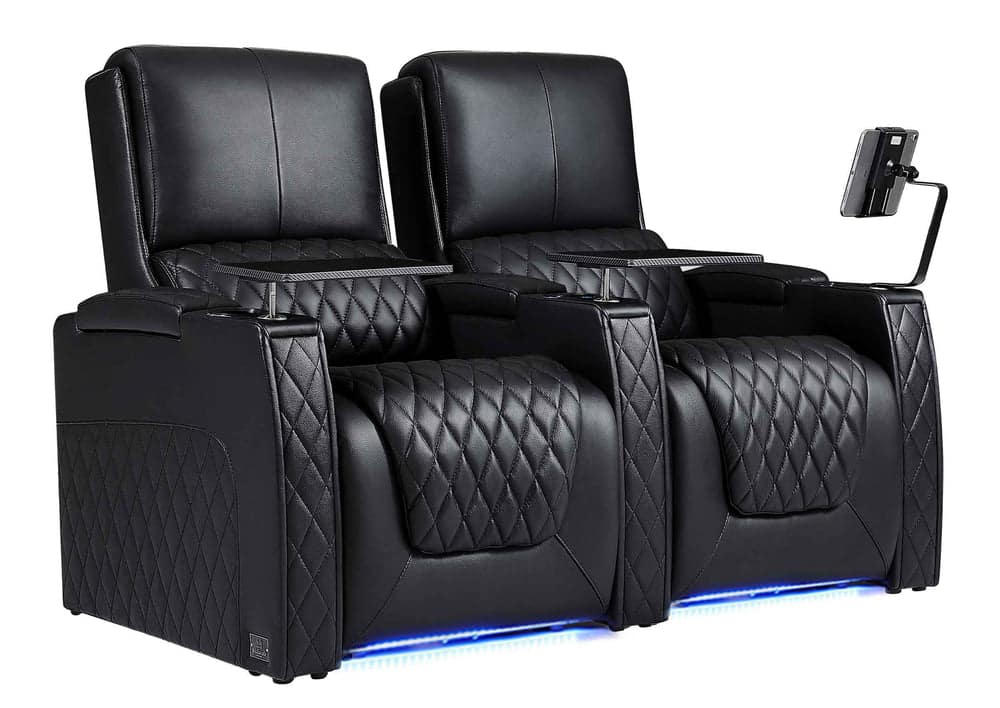
Traditional three-seat sofas split the difference, yet they introduce their own compromise. The middle cushion often goes unused or becomes a no-man’s-land of throw pillows, effectively wasting space while still consuming a larger footprint than a loveseat. When you weigh cost against capacity, a loveseat frequently comes out ahead for smaller households because you’re investing in seating that two people will actually use fully, rather than paying for a third seat that collects crumbs. For larger gatherings, pairing two loveseats or combining a loveseat with a couple of accent chairs gives you flexible, theater-style rows without locking you into one massive piece of furniture that’s difficult to rearrange or move.
When to Choose a Loveseat Over a Recliner
A loveseat is the clear winner when your primary viewing partner is a spouse, partner, or close friend and the goal is togetherness rather than solo relaxation. Couples who watch nightly together, parents who read bedtime stories on a screen with a child, or roommates who co-op game several times a week will all benefit from the shoulder-to-shoulder proximity a loveseat provides. It also makes sense when your room measures under 150 square feet, where even a compact recliner chair paired with a second seat would crowd the space. A single loveseat keeps the room open, reduces furniture cost to one purchase instead of two, and still delivers plush comfort. Choose a recliner only when individual ergonomic needs—such as chronic back pain requiring specialized lumbar support—outweigh the social benefits of sitting together.
Customizing Your Loveseat for a Personalized Home Theater
Building a custom home theater means every element should reflect how you actually watch, play, and relax—and your loveseat is no exception. The first decision is material. Leather ages gracefully, wipes clean in seconds after a spill, and lends a classic cinema feel, but it can feel cold in winter and sticky in summer unless you opt for a breathable top-grain variety. Fabric upholstery, on the other hand, offers a softer, warmer touch and comes in a wider range of colors and textures, making it easier to match existing décor. Microfiber blends strike a middle ground with stain resistance and a suede-like softness that holds up well in high-use rooms. Color matters more than people realize in a darkened theater space: deeper tones like charcoal, navy, or espresso hide wear and reduce light reflection off the screen, while lighter shades can brighten a room that doubles as a living area during the day.
Step-by-Step Guide to Choosing the Right Loveseat
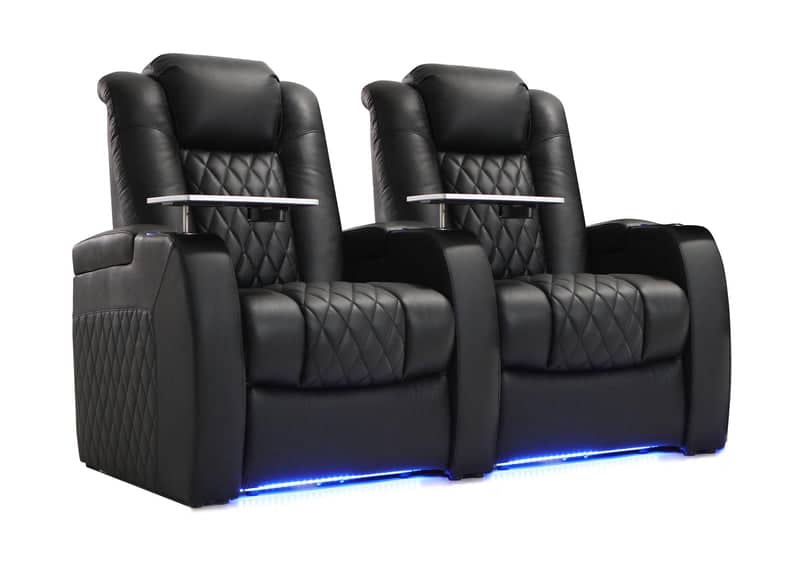
Start by measuring your room and marking the intended placement with painter’s tape on the floor—account for at least 18 inches of clearance behind the loveseat if it reclines and three feet between the seat and any side wall for easy entry. Next, set a realistic budget that includes delivery and any add-on features so you aren’t surprised later. Then prioritize the features that match your habits: if you watch films nightly, power-reclining mechanisms and padded armrests matter most; if gaming is the focus, look for a firmer seat base that keeps your posture upright. Before committing, sit in the loveseat for at least ten minutes in a showroom—test the cushion rebound, check that the headrest aligns with your neck, and operate every mechanical function to confirm smooth, quiet movement.
Adding Custom Features for Enhanced Experience
Once the base loveseat is selected, targeted upgrades can turn it into a true command center. Built-in cup holders with removable inserts keep drinks secure without a side table eating into your floor plan. USB charging ports embedded in the armrest let you top off a phone or controller mid-session without trailing cables across the room. For marathon viewing, a loveseat with an adjustable power headrest lets each person tilt independently to find the perfect neck angle, while a lumbar massage function—often available in two or three intensity zones—relieves tension that builds during a four-hour binge. Furniture manufacturers like Weilianda offer models with hidden storage compartments beneath the armrests or between the seats, ideal for stashing remotes, headphones, or a small blanket. These additions aren’t luxury for its own sake; they eliminate the small interruptions that pull you out of the story and keep you immersed from opening credits to the final scene.
Enhancing Comfort: Tips for Long Viewing Sessions
Even the most beautifully designed loveseat can leave you stiff and restless if you don’t set it up with marathon sessions in mind. Positioning is the first variable to get right. Place your loveseat so that your eyes naturally land on the center of the screen without tilting your head up or down—typically this means the middle third of the display aligns with seated eye level. Pull the seat back far enough that you can take in the full image without scanning left to right; a general guideline is sitting at a distance of 1.5 to 2.5 times the screen’s diagonal measurement. This reduces eye fatigue and keeps your neck in a neutral position rather than craned forward.
Cushion support plays a quieter but equally important role in sustained comfort. Over time, even high-density foam compresses under body weight, so rotating or flipping removable seat cushions every few weeks preserves their shape and prevents that sagging hollow that forces your spine into poor alignment. For additional lumbar support, a small, firm pillow placed in the curve of your lower back fills the gap that most loveseat backrests leave. A lightweight throw blanket serves double duty—it keeps you warm in an air-conditioned theater room and can be rolled behind the knees to relieve pressure on the backs of your thighs during a three-hour epic.
Ergonomic Setup for Maximum Relaxation
Fine-tune your seat angle so your thighs slope gently downward from hip to knee; a slight recline of 100 to 110 degrees opens the hip flexors and reduces disc pressure in the lumbar spine. Keep ambient lighting low but not completely dark—a bias light mounted behind the screen minimizes the contrast between a bright display and a pitch-black room, which significantly cuts eye strain. Every 45 to 60 minutes, pause for a brief stretch: stand, roll your shoulders, and flex your ankles to restore circulation. These micro-breaks don’t break immersion the way you might fear; pausing between episodes or during a natural scene transition makes the habit effortless. Together, thoughtful positioning, supportive accessories, and simple movement habits ensure your loveseat remains a place of relaxation rather than a source of next-day soreness, no matter how many episodes you queue up.
Transform Your Home Theater with the Perfect Two-Seat Setup
A loveseat does something no other piece of home theater furniture quite manages—it turns watching into sharing. Throughout this guide, we’ve seen how its compact, two-person design fosters the kind of closeness that makes every movie night, binge session, or co-op gaming marathon feel genuinely connected. Compared to recliners that isolate and sectionals that sprawl, a loveseat strikes the rare balance between personal comfort and shared experience, all while respecting the square footage of your room. Customization options—from breathable leather and stain-resistant fabrics to built-in cup holders, USB ports, and power headrests—let you shape the seat around your lifestyle rather than settling for a one-size-fits-all solution. And with thoughtful positioning, proper cushion care, and simple ergonomic habits, that comfort holds up through even the longest viewing sessions without leaving you sore the next morning. If your current setup feels more like sitting near someone than sitting with them, a loveseat is the single upgrade that closes that gap. Start by measuring your space, visiting a showroom to test a few models in person, and envisioning the viewing experience you actually want—then make it happen. Share your setup or your favorite loveseat features with fellow enthusiasts; the best home theaters are built on ideas worth passing along.