

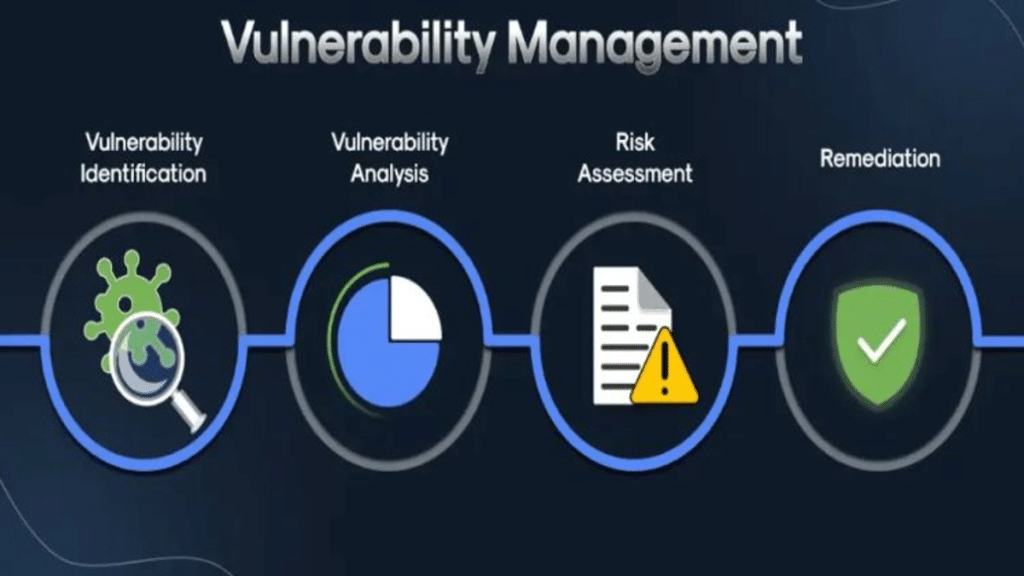
With the increasing complexity of cyber threats, organizations have to move beyond vulnerability management and have to adopt the Risk-Based Vulnerability Management (RBVM) way of vulnerability management. RBVM is a modern version In the modern approach, vulnerability prioritization is based on risks that have actual exposure and affect critical business operations. Discard the equal treatment of different vulnerabilities; rather, let RBVM focus on the most pressing threats to the business, whereby driving from it, making use of deployed resources in a more productive manner, and improving the security’s efficiency. With a Vulnerability Management System, businesses could effectively identify, assess, and mitigate the security defects, thereby directing the remediation efficacy on most critical issues. By adopting such intelligence into threat business context and exploitability analysis, organizations can proactively fortify their security posture, thus greatly minimizing exposure to cyber risks.
Understanding Risk-Based Vulnerability Management
The Risk-Based Vulnerability Management (RBVM) strategy assesses vulnerabilities based on their severity, exploitability, and business impact. Unlike traditional vulnerability scanning, which produces long lists of security defects without context, RBVM ranks vulnerabilities that are real threats to the organization. Security teams now have a view of which vulnerabilities are actively exploited through the incorporation of real-time threat intelligence, letting them focus on remediating the biggest risks.
Risk-based Vulnerability Management does not only justify patching on severity scores unrelated to how well an asset is critical, how exposed it is to the network, or the threat landscape. Security teams consider whether that particular identified vulnerability hides a weapon from the cybercriminals, how easy it is to exploit, and the potential damage it would unleash if left unpatched. The risk-based approach ensures that organizations will spend time and resources on correcting vulnerabilities that will most probably lead to security incidents and not on minor weaknesses.
Traditional Challenges in Vulnerability Management
Periodical scanning and patching form the cornerstone of conventional vulnerability management but the traditional approach has failed in prioritizing the vulnerabilities. To security teams inundated with vulnerabilities, a lot of them may represent even potential threat against the organization. Facilities lack the time to remediate low-risk vulnerabilities while bypassing high-priority threats due to real-time threat intelligence and context-sensitive analysis.
How Risk-Based Vulnerability Management Works
Risk-Based Vulnerability Management employs threat intelligence, exploitability analysis, and automated risk scoring to prioritize vulnerabilities based on actual-world risk factors. Instead of administering resources towards remediating all weaknesses under penality, RBVM allows efficient allocation of limited resources by prioritizing high-risk vulnerabilities for remediation. Security teams investigate whether a vulnerability has seen ‘in-the-wild’ exploitation, as well as its ramifications to critical business assets, and how easily attack methodologies can exploit.
The Role of Risk Management in the Software in RBVM
Risk management software provides the arms that organizations need to automate and streamline their risk-based vulnerability management processes. Such platforms are able to present up-to-the-minute visibility into security threats; automatically carry out vulnerability assessments; and incorporate threat intelligence feeds. Through AI-driven analyses, risk management software assists organizations in discovering emerging threats, prioritizing remediation action, and making better decisions.
Conclusion
As things grow difficult in terms of cyber threats so organizations should not follow the laborious path of the past vulnerability management phase but switch towards a more risk-based approach that measures threats in terms of their true impact. Risk-based vulnerability Management can then lead businesses into focusing only on those weaknesses with a higher risk and achieving better resource optimization on security and thus enhancing their threat detection capabilities. By real-time threat intelligence, risk management software and automated security analytics, organizations build a more resilient proactive and adaptive cybersecurity strategy.